
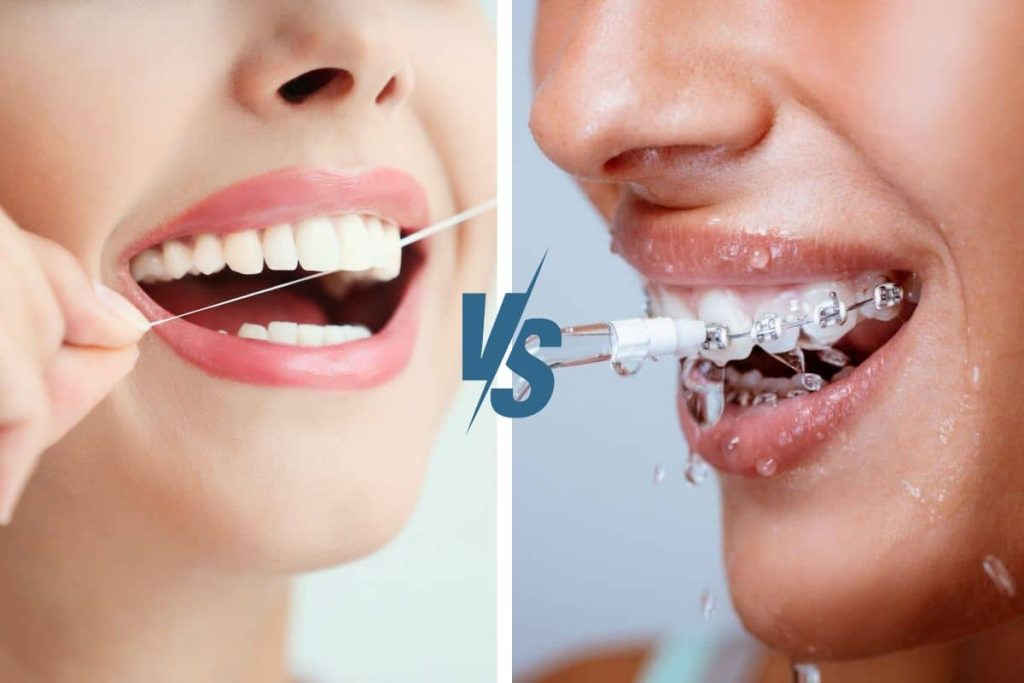
Maintaining optimal oral hygiene is crucial for a healthy smile, and flossing plays a pivotal role in this. But with so many options available today, a common question arises: are water flossers better than traditional floss? As your trusted dental care providers at Park Dental Centre in Toronto, we understand the confusion. This comprehensive guide will explore the nuances of water flossers vs. traditional floss, helping you understand which method, or combination, is best suited for your unique dental needs.
For years, traditional string floss has been the undisputed champion of interdental cleaning. However, the advent of water flossers has introduced a powerful alternative, promising ease of use and effective cleaning. Let’s dive into the details of each to determine what truly works for your smile.
A Look at Traditional Flossing
Traditional string floss, often referred to as dental floss, has been a cornerstone of oral hygiene for decades. It involves using a thin strand of nylon or PTFE material to physically dislodge food particles and plaque from between teeth and along the gumline.
How Traditional Floss Works
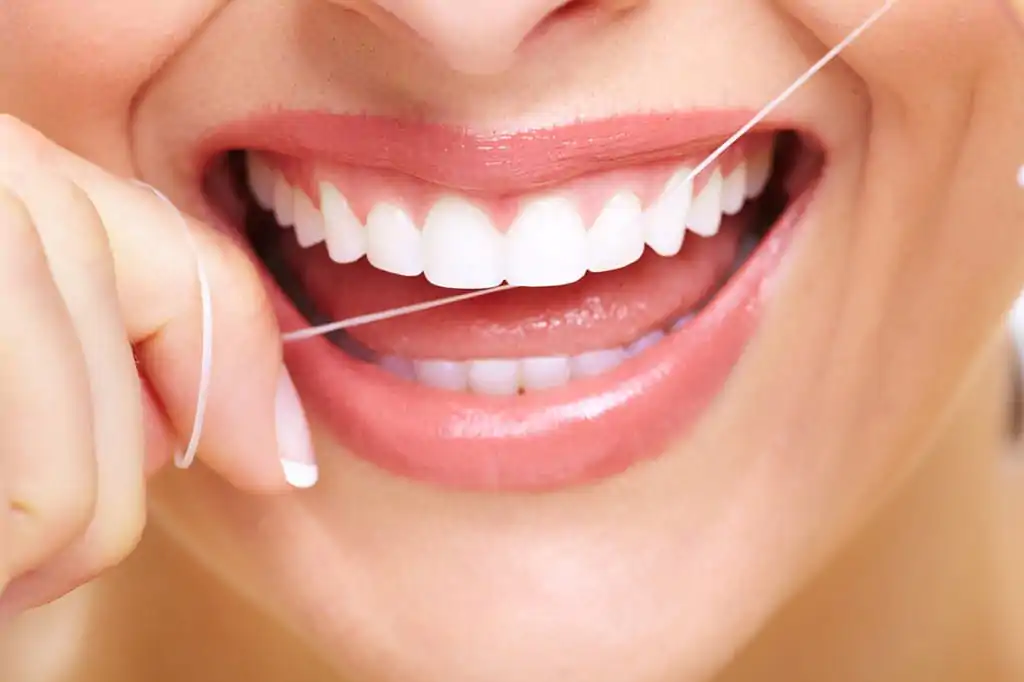
When used correctly, traditional floss provides a mechanical scrubbing action. You wrap about 18 inches of floss around your fingers, gently guide it between your teeth, and then curve it into a ‘C’ shape against one tooth, sliding it up and down. You repeat this for the adjacent tooth before moving to the next gap. This technique allows the floss to reach below the gumline and clean the tooth surfaces that a toothbrush cannot.
Benefits of Traditional Floss
- Superior Plaque Removal: Traditional floss excels at physically scraping away sticky plaque biofilm from tooth surfaces, especially between tight contacts.
- Cost-Effective and Accessible: It’s widely available and generally inexpensive, making it an accessible option for everyone.
- Tactile Feedback: Users can feel the plaque being removed, which can be satisfying and encourage thorough cleaning.
- Reaches Below the Gumline: Proper technique allows the floss to clean slightly below the gumline, crucial for preventing gingivitis.
Drawbacks of Traditional Floss
- Requires Dexterity: Many people find it difficult to use correctly, especially those with limited manual dexterity or larger hands.
- Technique-Sensitive: Incorrect technique can be ineffective or even harmful, potentially irritating gums.
- Discomfort: Some individuals experience discomfort or bleeding, particularly when first starting or if they have sensitive gums.
- Time-Consuming: For some, the process can feel tedious and time-consuming, leading to inconsistent use.
Exploring Water Flossers: The Modern Alternative
Water flossers, also known as oral irrigators, use a stream of pulsating water to clean between teeth and below the gumline. They’ve gained popularity for their ease of use and effectiveness, especially for certain patient groups.
How a Water Flosser Works
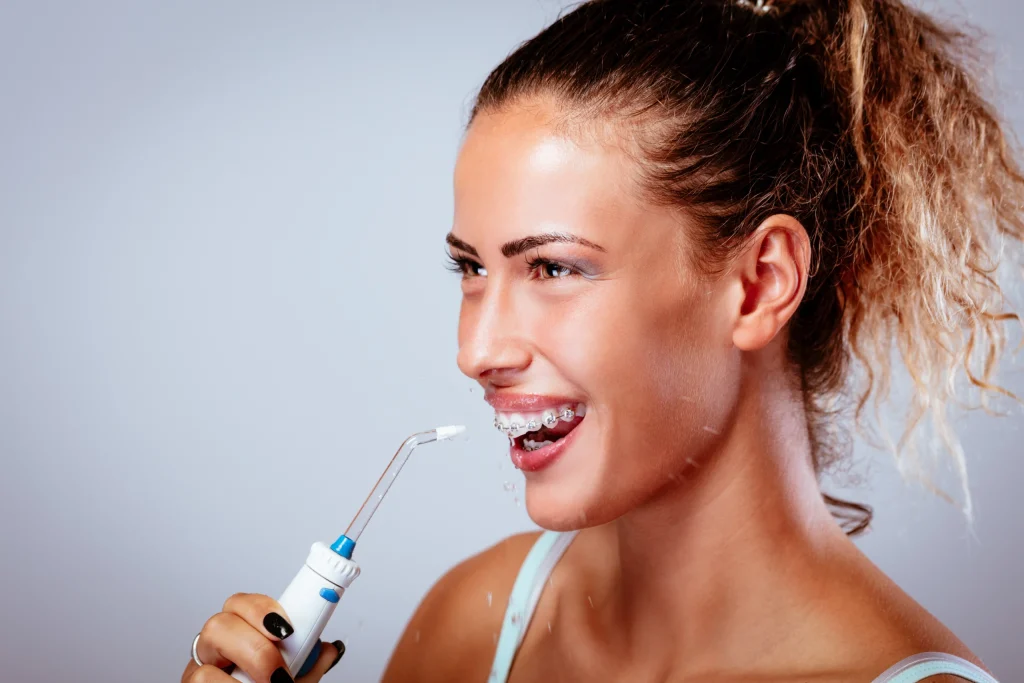
A water flosser consists of a reservoir for water, a motor, and a specialised nozzle. The motor creates a pressurised stream of water that pulses rapidly. You direct this stream along your gumline and between your teeth, allowing the water to flush away food particles, plaque, and bacteria. Many models come with various tips for different needs, such as orthodontic tips for braces or periodontal tips for gum pockets.
Benefits of a Water Flosser
- Gentle on Gums: The pulsating water stream is typically much gentler than string floss, making it ideal for sensitive gums or those prone to bleeding.
- Excellent for Braces and Implants: Water flossers are highly effective at cleaning around orthodontic appliances, dental implants, crowns, and bridges, where traditional floss can be challenging to manoeuvre.
- Ease of Use: As Colgate truly states, water flossers are easier and quicker to use than string floss, which can improve compliance with daily oral hygiene routines.
- Reduces Inflammation: Studies show water flossers can significantly reduce gum bleeding and inflammation, making them beneficial for managing gingivitis.
- Massages Gums: The water stream can also provide a gentle massage to the gums, promoting healthy circulation.
Drawbacks of a Water Flosser
- Cost: Water flossers represent an initial investment, which can be significantly higher than a pack of string floss.
- Portability: They are generally larger and less portable than string floss, especially countertop models.
- Mess: Some users find water flossers messy to use initially, as water can splash if not used correctly over a sink.
- Doesn’t Scrape Plaque: While excellent at flushing loose debris, a water flosser may not always remove sticky, adherent plaque as effectively as the physical scraping action of string floss.
Get Professional Consultation!
Unsure which flossing method is right for you? Our experienced team at Park Dental Centre in Toronto is here to provide personalized advice.
Book your consultation today
Water Flossers vs. Traditional Floss
To help you decide, let’s look at how these two methods stack up against each other across key criteria. This comparison will help clarify whether a water flosser or string floss is better for your specific oral health goals.
| Feature | Traditional Floss | Water Flosser |
| Plaque Removal | Excellent for scraping adherent plaque from tooth surfaces and below the gumline. | Excellent for flushing loose food particles and bacteria; good for reducing inflammation. May not scrape adherent plaque as effectively as string floss. |
| Ease of Use | Requires good manual dexterity and proper technique; can be difficult for some. | Generally easier to use, especially for those with limited dexterity or orthodontic appliances. |
| Effectiveness for Braces/Implants | Very challenging and time-consuming to use effectively around wires and hardware. | Highly effective at cleaning around braces, implants, bridges, and crowns due to the pulsating water stream. |
| Gum Health | Essential for removing plaque that causes gingivitis; can cause irritation if used improperly. | Gentle on gums, reduces bleeding and inflammation, and can provide a soothing massage. |
| Cost | Very low initial and ongoing cost. | Higher initial investment, but durable. No ongoing cost other than water/electricity. |
| Portability | Extremely portable, easy to carry anywhere. | Less portable, especially countertop models; travel models are available but still bulkier than floss. |
Can a Water Flosser Replace Regular Flossing? What Dentists Say
This is perhaps the most common question we hear at Park Dental Centre: Can a water flosser replace regular flossing? The consensus among dental professionals, including those at the Canadian Dental Association, is that while water flossers are highly effective and beneficial, they are generally considered an excellent *adjunct* to traditional flossing, rather than a complete replacement for everyone.
Traditional floss still holds a unique advantage in its ability to physically scrape away the sticky biofilm (plaque) that adheres to tooth surfaces. Water flossers are superb at flushing away loose food debris and bacteria, especially in hard-to-reach areas, and at reducing inflammation. For many, the ideal oral hygiene routine involves both: traditional flossing for thorough plaque removal and a water flosser for an extra level of clean, particularly for flushing out pockets and around dental work.
Who Benefits Most From Which Method?
Choosing between a water flosser vs string floss isn’t about one being universally “better” but rather about what’s best for “your” specific needs. Here’s a breakdown of who might benefit most from each:
Traditional Floss is Ideal For:
- Most People: For individuals with healthy gums and no complex dental work, traditional floss is highly effective when used correctly.
- Tight Contacts: It’s particularly good for cleaning between teeth that are very close together.
- Budget-Conscious Individuals: It offers the most cost-effective way to clean between teeth.
Water Flossers Are Especially Beneficial For:
- Individuals with Braces: The water stream can easily navigate around wires and brackets, cleaning areas that string floss can’t reach.
- Dental Implants, Crowns, and Bridges: Water flossers are excellent for cleaning around these restorations, preventing peri-implantitis and maintaining their longevity.
- Sensitive Gums or Gingivitis: The gentle water stream can effectively reduce inflammation and bleeding without causing irritation.
- Limited Dexterity: People with arthritis, carpal tunnel syndrome, or other conditions affecting hand movement often find water flossers much easier to use.
- Deep Gum Pockets: Specific tips can deliver water into periodontal pockets to flush out bacteria.
- People Who Dislike String Floss: If you struggle to use or consistently avoid string floss, a water flosser can be a game-changer for improving your interdental cleaning habits.
Do Dentists Recommend Water Flossers?
Yes, many dentists, including ours at Park Dental Centre, recommend water flossers, especially as a valuable addition to your oral hygiene routine. They are not typically recommended as a sole replacement for brushing and traditional flossing for everyone, but their benefits for specific conditions are undeniable.
When asked, “Is a water flosser as good as regular floss?” our answer is often that they serve different, yet complementary, functions. Think of it as having different tools in your oral care toolbox; each has a specific job.
The goal is comprehensive cleaning, and for many patients, incorporating both methods provides the most thorough approach to plaque removal and maintaining excellent gum health. The key is to discuss your specific needs with your dentist to determine the best flossing method for you.
Conclusion
So, are water flossers better than traditional floss? The answer isn’t a simple yes or no. Both methods are powerful allies in your fight against plaque and gum disease, each with distinct advantages. Traditional floss remains the gold standard for its ability to physically scrape away tenacious plaque, while water flossers excel at flushing debris, reducing inflammation, and navigating complex dental work.
At Park Dental Centre in Toronto, we believe the best flossing method is the one you will use consistently and effectively. For many, a combination of both a water flosser and string floss provides the most comprehensive oral hygiene routine. Ultimately, the right choice for you depends on your individual oral health needs, lifestyle, and preferences.
Don’t let the decision overwhelm you. We are here to help you navigate your options and provide tailored recommendations. A personalised assessment from our dental professionals can help you determine the most effective strategy to keep your smile healthy and bright for years to come.
Contact Park Dental Centre today. For expert advice on your oral hygiene routine and to ensure your smile is at its best, reach out to our friendly team in Toronto. We look forward to seeing you!
FAQ
Is a water flosser as good as regular floss for removing plaque?
Water flossers are excellent at flushing away loose plaque and food particles and significantly reducing gum inflammation. However, traditional floss is generally more effective at physically scraping off sticky, adherent plaque biofilm from the tooth surfaces and just below the gumline. For optimal plaque removal, many dentists recommend using both.
Can a water flosser replace regular flossing entirely?
For most individuals, a water flosser should complement, not completely replace, regular flossing. While water flossers are highly beneficial, particularly for those with braces or implants, traditional floss provides a unique mechanical scraping action crucial for removing stubborn plaque. Always consult your Toronto dentist for personalised advice.
Do dentists recommend water flossers?
Yes, dentists often recommend water flossers, especially for patients with specific needs like braces, implants, gum disease, or difficulty using traditional floss. They are considered a valuable tool to enhance oral hygiene, working alongside brushing and, for many, traditional flossing.
What are the main benefits of using a water flosser?
Key benefits include being gentle on gums, highly effective for cleaning around dental work (braces, implants), reducing gum bleeding and inflammation, and being easier to use for many people with dexterity issues. They also provide a refreshing feeling and can reach areas traditional floss might miss.
What’s the best flossing method for someone with sensitive gums?
For sensitive gums, a water flosser is often recommended as it provides a gentle yet effective clean without the potential for irritation that can sometimes occur with string floss. If using traditional floss, opt for a waxed or PTFE floss and ensure a very gentle technique to avoid aggravating the gums. Always discuss sensitivity with your dentist.