
4.7 466 reviews
Teeth Whitening in Toronto
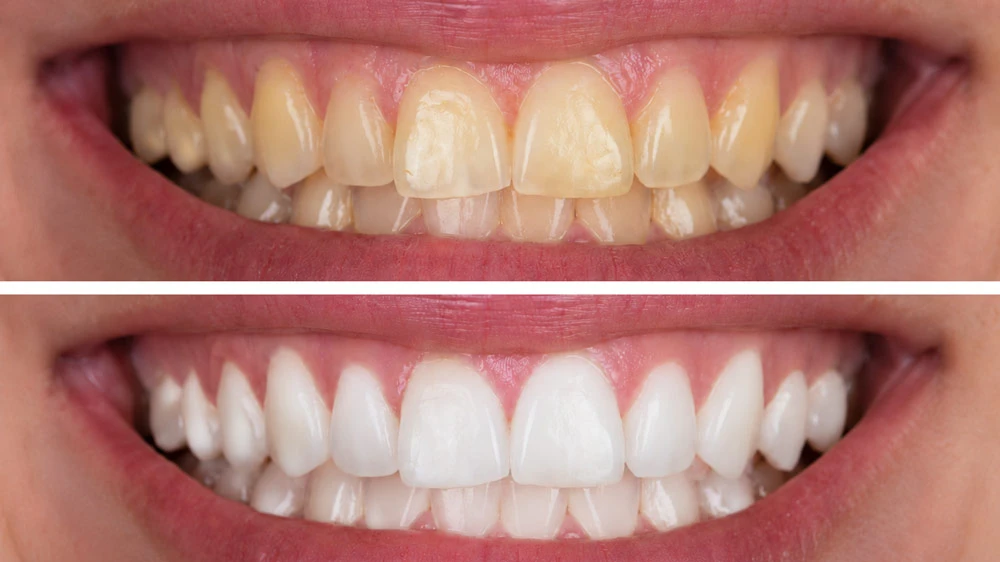
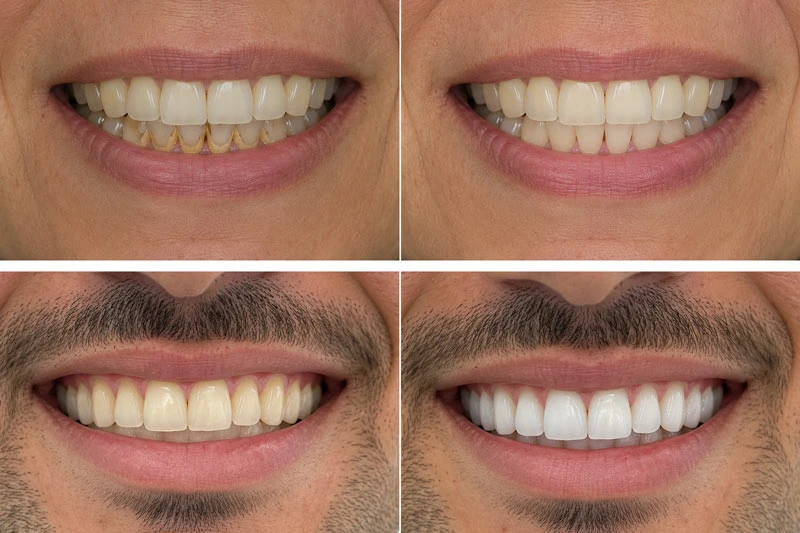
5 to 8 shades brighter in a single visit.
We offer Zoom in-office whitening and custom take-home kits at both our Koreatown and Dundas Square clinics. Your dentist assesses your enamel and stain type first, then recommends the option that will actually work on your teeth, because not every stain responds to whitening the same way.
Whitening starts at $250. Your first consultation is free.
Book Your Dental Appointment
Treatment Duration
60 minutes
Typical result
5 to 8 shades
Sensitivity
Mild
Results last
Up to 12 months
Downtime
None
Cost per Treatment
From $250
How to Reach Us
Right at Christie Station on Line 2, on the north side of Bloor across from Christie Pits Park.
Working Hours
- Saturday: 8 am–3 pm
- Sunday: 9 am–3 pm
- Monday-Thursday: 10 am–7 pm
- Friday: 10 am–4 pm
Christie Park Dental
Which Whitening System We Use
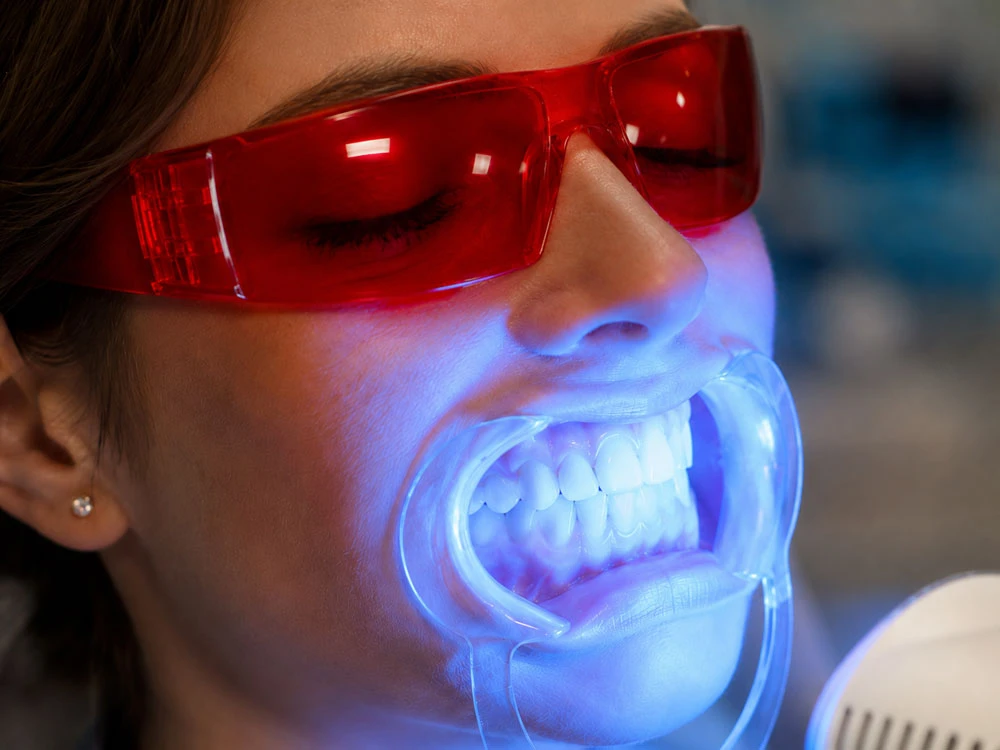
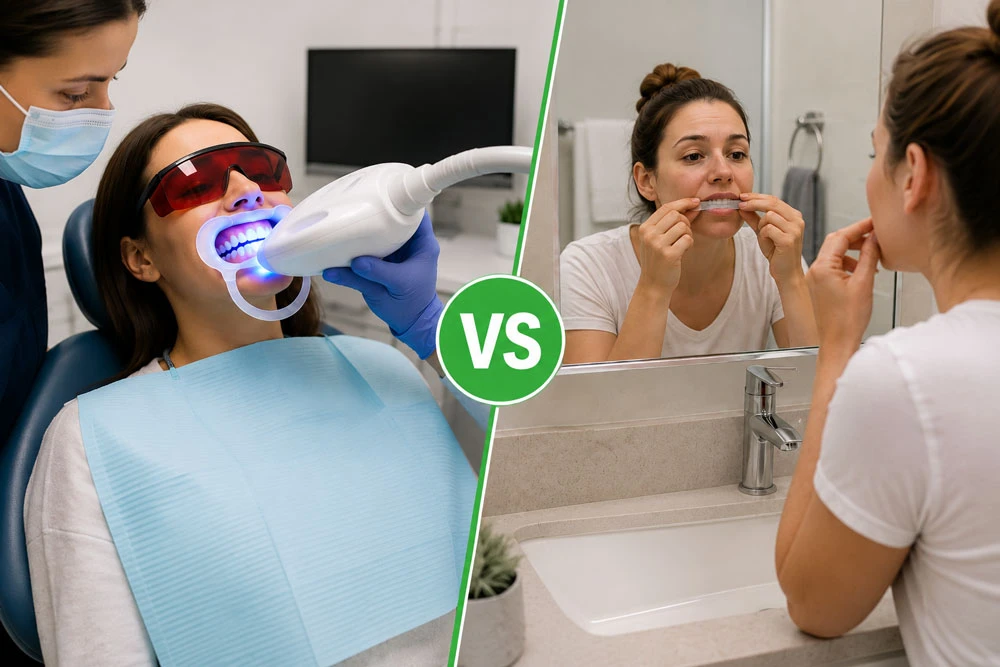
We use Zoom for in-office whitening. It combines a hydrogen peroxide gel with a blue LED lamp that accelerates the reaction, which is why a single appointment produces the kind of shade change that store-bought products take weeks to approach and often never reach.
The take-home kits we make use the same family of professional gel at a lower concentration, delivered in trays moulded to your teeth. Same chemistry, slower pace, more control over the timeline.
If you have been quoted Zoom whitening elsewhere in Toronto, this is the same system. What differs between clinics is the gel concentration selected, how many cycles are run in the session, and whether anyone checks your enamel first.
Our Teeth Whitening Options
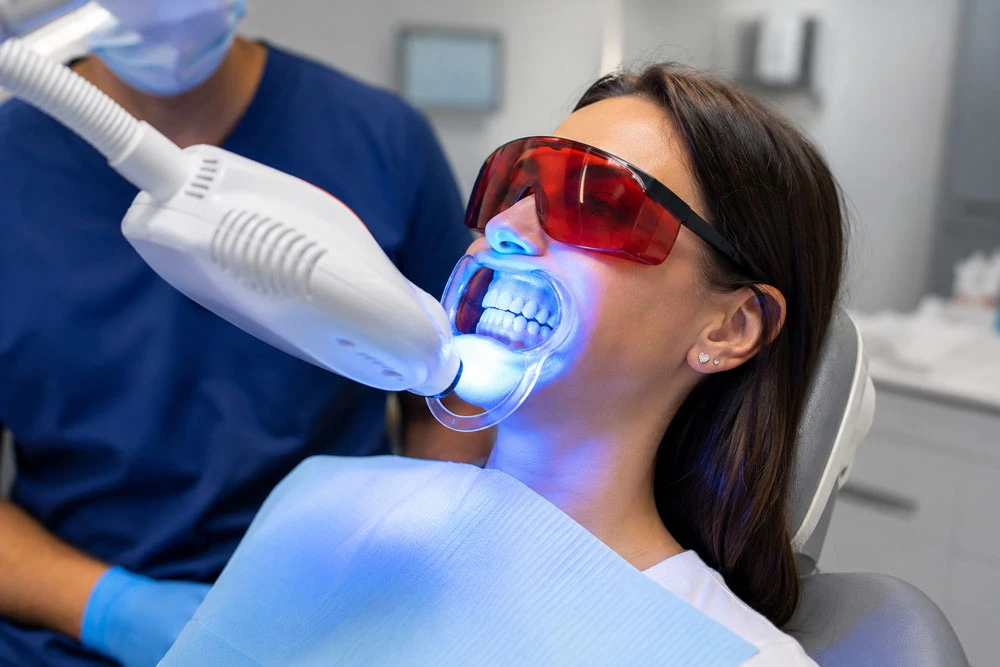
In-Office Whitening
One appointment of roughly 60 minutes, with results visible before you leave the chair.
- Best for: an event with a fixed date, or anyone who does not want to manage a routine at home
- Typical result: 5 to 8 shades
- Sessions needed: one for most patients
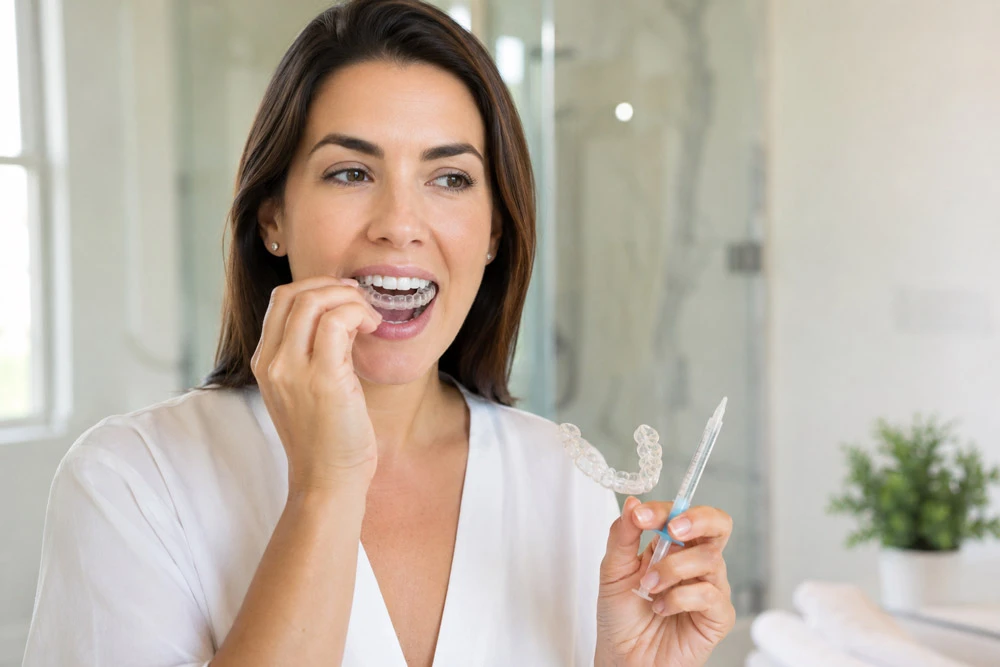
Custom Take-Home Kits
Trays moulded to your teeth plus professional-strength gel, worn 30 to 60 minutes a day for one to two weeks.
- Best for: gradual change, tighter budget, or teeth that have been sensitive to whitening before
- Typical result: this one depends on you. Worn as directed for the full course, take-home whitening can get close to what a single in-office session achieves. Skipped days and short sessions are the main reason it falls short.
- Keeps working later: the trays are reusable for touch-ups
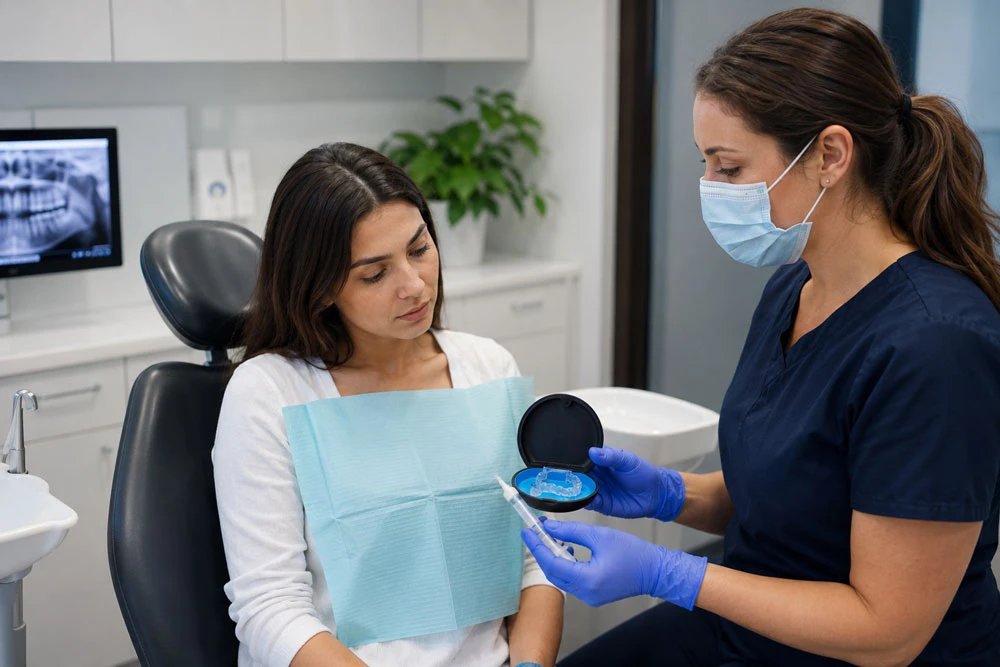
In-Office + Take-Home
The in-office session moves your shade in one visit, and the trays hold it there.
Closing line Both options are supervised by your dentist. Which one suits you depends less on preference than on what your teeth will tolerate, which is what the consultation is for.
You will also see whitening strips, pens, and pre-formed trays on pharmacy shelves, sold in one generic shape for everyone. We do not provide those, but the comparison below includes them so you can see where they land.
Which one suits you depends less on preference than on what your teeth will tolerate, which is what the consultation is for.
| Compare by | In-Office | Custom Take-Home | In-Office + Take-HomeLongest lasting | Store-Bought |
|---|---|---|---|---|
| Time to result | One 60-minute visit | 1 to 2 weeks | One visit, then 1 to 2 weeks | 3 to 6 weeks |
| Typical shade change | 5 to 8 shades | Close to in-office if the full course is completed | 5 to 8 shades, held longer | 1 to 2 shades |
| Gel strength | Highest, dentist-applied | Professional strength, applied at home | Both | Lowest available |
| Fit | Gums isolated by your dentist | Trays moulded to your teeth | Both | One generic shape |
| Supervised by a dentist | Yes | Yes, monitored between visits | Yes | No |
| How long results last | 6 to 12 months | 6 to 12 months | 1 to 2 years with periodic touch-ups | A few months at most |
Ranges reflect typical outcomes and depend on your starting shade, diet, and whether you smoke. Your dentist will give you a realistic target at your consultation.
Why Professional Whitening Beats Store-Bought Kits
It moves your shade further. Five to eight shades in one session, against one or two from a drugstore kit used for a month.
Your gums are protected. We place a barrier over the soft tissue before any gel touches your teeth. Strips have no such barrier, which is where chemical irritation comes from.
The strength is matched to your teeth. We select the concentration and the exposure time based on your starting shade and your sensitivity history. A box off the shelf cannot do that.
The coverage is even. Trays moulded to your teeth reach the gumline and the spaces between teeth. One-size strips miss both, which is what produces the patchy result people bring us to fix.
Someone checks first. If you have an untreated cavity or inflamed gums, whitening over the top of it is uncomfortable and the result will not hold. That gets caught at the consultation.

What Causes Tooth Discoloration ?
- Coffee, tea, and red wine. Dark pigments bind to enamel and build up over years.
- Smoking and vaping. Tar and nicotine leave marks that sit deeper than surface staining.
- Aging. Enamel thins over time and the darker dentin underneath starts to show through.
- Medications. Certain antibiotics taken during tooth development, and some antihistamines, cause discoloration from inside the tooth.
- Plaque buildup. Irregular brushing leaves a film that holds stains against the enamel.
Not all of these respond to whitening the same way, which is the next thing worth understanding before you book.
Extrinsic vs Intrinsic Stains: Which Ones Respond
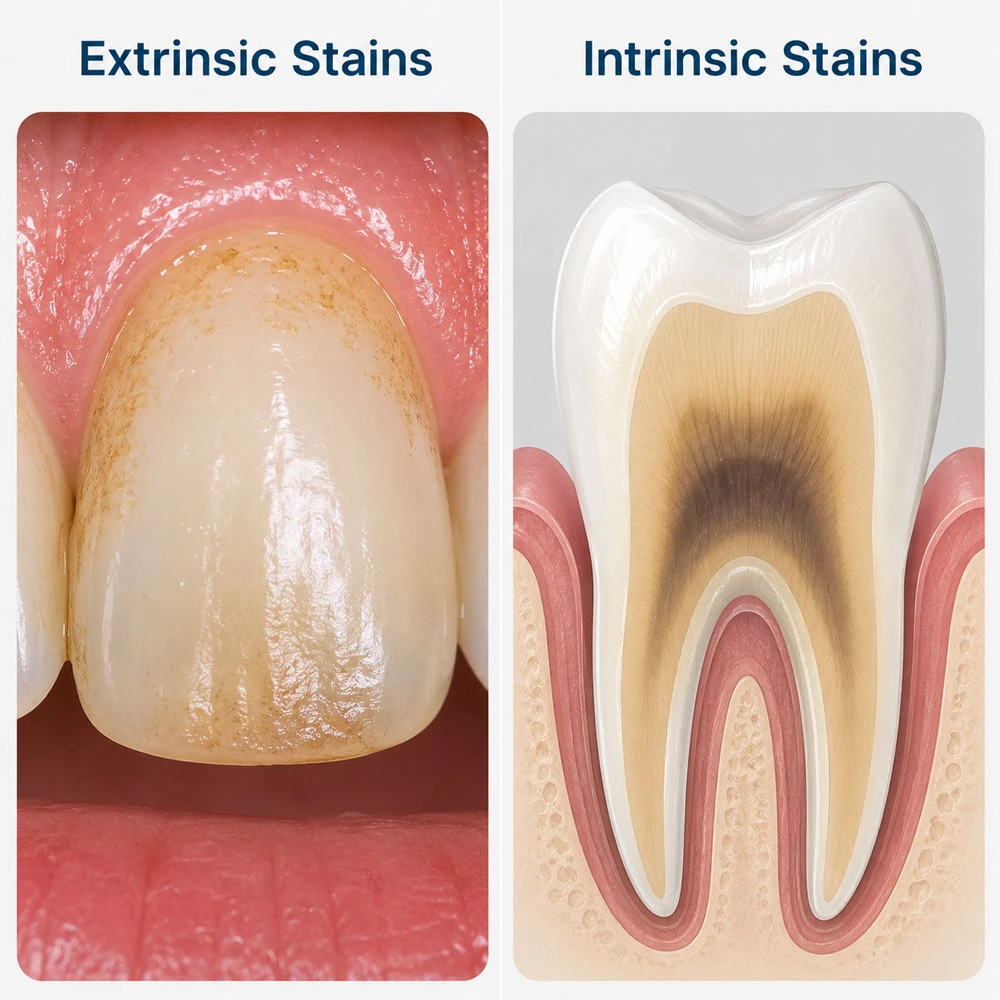
Extrinsic stains sit on the outside of the enamel. Coffee, tea, wine, tobacco, and everyday buildup all fall here. These are what whitening is designed for, and they respond well.
Intrinsic stains come from inside the tooth. Medication taken while the teeth were forming, trauma to a tooth, a tooth that has had root canal treatment, or natural enamel thinning with age. Whitening gel reaches these unevenly or not at all.
Colour matters too. Uniform yellowing usually responds well. Grey and brown undertones improve but rarely reach the same result, and setting a realistic target at the start prevents a disappointing reveal at the end.
We record your starting shade at the consultation and tell you what is achievable before you commit to anything.
When Whitening Won't Work, and What Does Instead
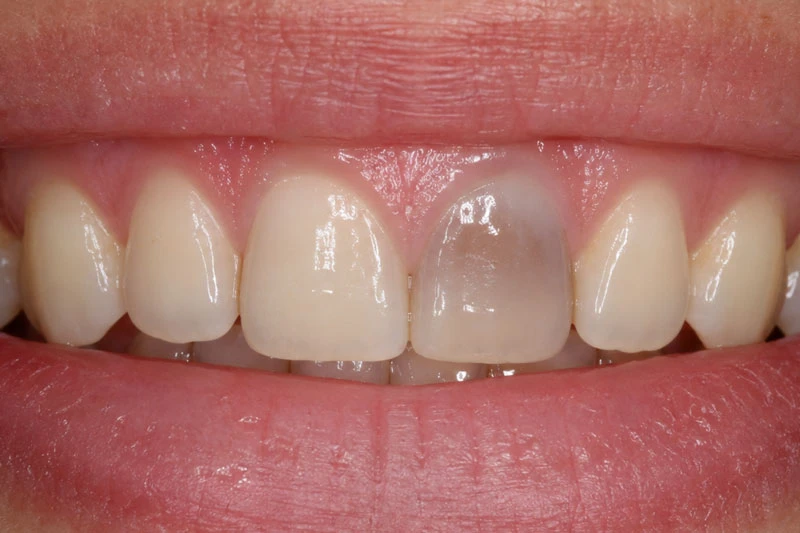
- A single dark tooth after root canal treatment. The discoloration is inside the tooth, so external gel will not reach it. internal tooth bleaching treats it from within.
- Localised chips or marks on otherwise even teeth. dental bonding covers the affected area and is matched to your surrounding shade.
- Deep intrinsic staining across several teeth. porcelain veneers cover the tooth surface entirely and are the only reliable answer for staining whitening cannot lift.
- Existing crowns, veneers, or fillings. These do not respond to whitening at all. If you whiten and they no longer match, they can be replaced to the new shade.
We will tell you which of these applies to you at the consultation rather than after you have paid for a whitening session that was never going to work.
Are You a Candidate for Teeth Whitening?
Most adults with healthy natural teeth are. A few situations need attention first.
- You need to be 18 or older. Enamel and pulp are still developing before that.
- Your gums and teeth need to be healthy. Untreated decay, active gum inflammation, or exposed root surfaces all make whitening uncomfortable and unpredictable.
- Pregnancy and breastfeeding. There is no evidence of harm, but there is also no research clearing it, so the standard recommendation is to wait.
- Existing dental work will not change colour. Crowns, veneers, bridges, bonding, and fillings stay exactly as they are.
- High baseline sensitivity. Not a disqualification. It changes which option we recommend and how we manage the session.
When We Treat Other Issues First
If your exam shows a cavity, gum inflammation, or a cracked tooth, we treat that before whitening. This is not a delay tactic. Whitening gel on compromised enamel or inflamed tissue is painful, and the result will not hold on a mouth that is not stable.
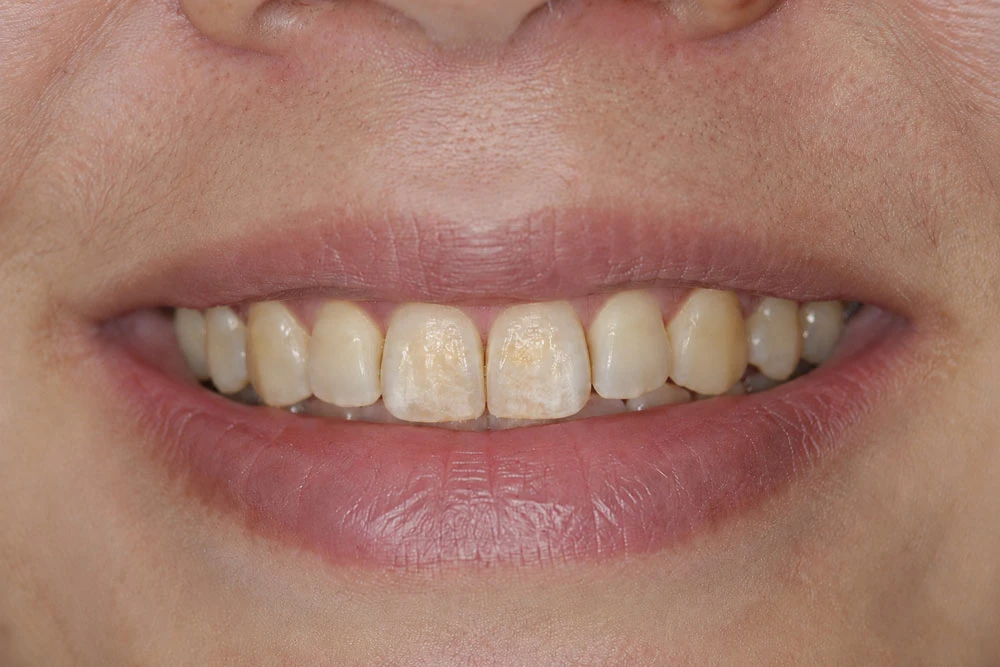
Before Your Whitening Appointment
- Come with no sores or cuts in your mouth. Peroxide on broken tissue stings. If you have bitten your cheek or have an ulcer, move the appointment.
- A cleaning first, if you are due for one. Gel cannot penetrate plaque and tartar. Whitening over buildup produces uneven results, so we usually schedule a cleaning before or on the same day.
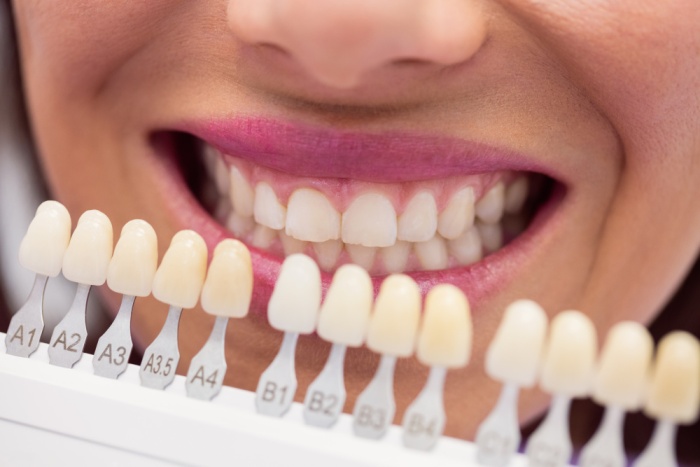
- We record your starting shade. A shade tab and photographs, taken before anything is applied. Without a baseline there is no reliable way to judge the change afterward, and memory is not a baseline.
- Tell us about past sensitivity. If a previous whitening treatment or a cold drink causes discomfort, say so before the session, not during it.
Teeth Whitening Procedure: What to Expect
1
Consultation and Shade Assessment
We examine your enamel, identify the stain type, and record your starting shade with photographs.
2
Protection and Preparation
A barrier is placed over your gums and soft tissue so the gel only contacts enamel.
3
Gel Application and Activation
The whitening gel is applied to your teeth and activated with LED light to speed up the reaction. We check comfort and evenness as it works and adjust as needed.
4
Desensitizing Finish
If needed, or for patients who tend toward sensitivity, a fluoride treatment is applied at the end to keep any post-treatment sensitivity to a minimum.
5
Results Review
We compare your new shade against the baseline photographs and go through aftercare.
Is Teeth Whitening Safe?
The gel we use is formulated to lift stains without eroding enamel. The barrier over your gums prevents the irritation that over-the-counter products cause when the strip slips. Your dentist controls the concentration and the exposure time, which is the part a home kit leaves to you.
Some patients feel mild sensitivity afterward. It is temporary and it is not damage. It happens because peroxide opens the enamel’s microscopic pores briefly, and they close again within a day or two.
How to Maintain Your Whiter Smile
First 48 hours
- Avoid coffee, tea, red wine, cola, and anything deeply pigmented. Enamel is most receptive to staining right after treatment.
- Do not smoke.
Ongoing
- Rinse with water after dark drinks, then wait 30 minutes before brushing. Acidic and pigmented drinks soften enamel briefly, and brushing during that window abrades it.
- Use a low-abrasion whitening toothpaste. High-abrasion pastes remove surface stain by wearing enamel, which works against you over time.
- Use a straw for iced coffee and dark soft drinks.
- Keep your regular cleanings every six months.
- two-night refresh rather than a new appointment.
White Spots After Whitening: Normal or Not?
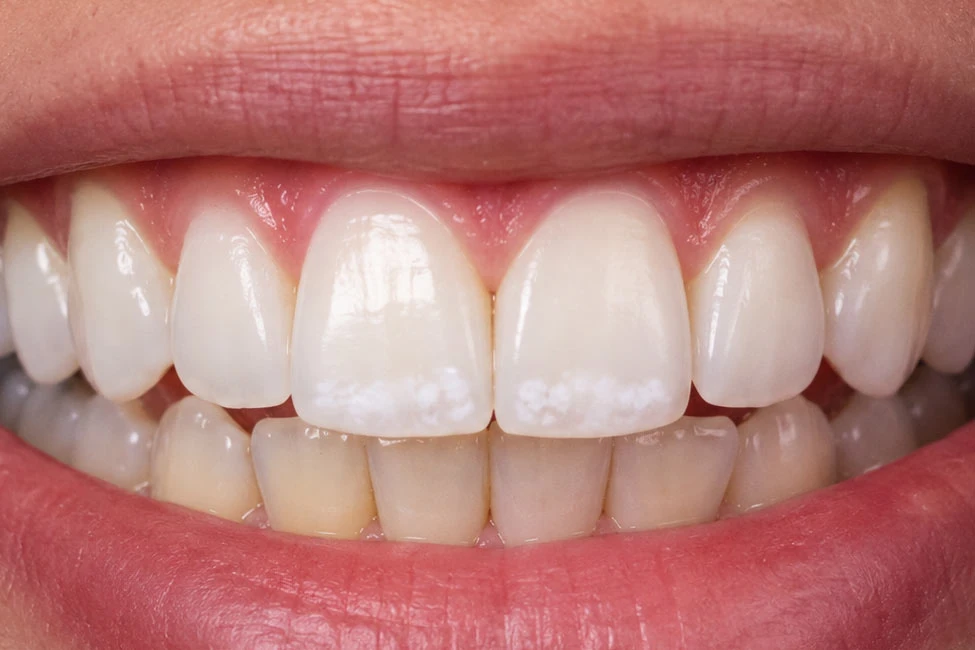
This is the most common thing patients call about, and in almost every case it resolves on its own.
- White patches on the teeth. These are areas of the enamel that are more porous or hold calcium deposits, and they dehydrate faster than the surrounding tooth during treatment. They rehydrate and blend back within about 24 hours.
- White marks on the gums. If the gel contacted a small scrape or a thin area of tissue, the gum can blanch temporarily. This also settles within a day.
- When to call us. If either persists beyond 48 hours, or if you have sharp rather than dull sensitivity, we want to see you.
Whiten Before Crowns, Veneers, or Bonding
Restorations do not whiten. A crown, veneer, or composite filling is manufactured to a fixed shade and stays there permanently.
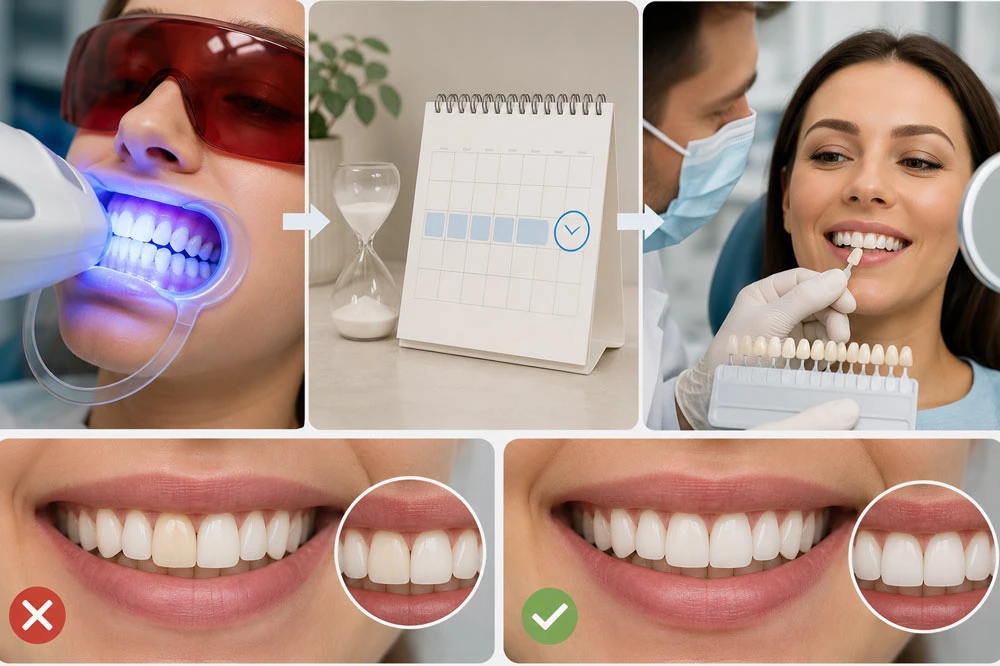
That makes the order matter. If you whiten first, we match the new restoration to your brightened teeth and everything sits at the same shade. If you place the restoration first and whiten afterward, your natural teeth lift and the restoration stays behind, and the only fix is replacing it.
The practical sequence is: whiten, wait about two weeks for the colour to stabilise, then take the shade for the restoration.
If you are considering dental crowns, porcelain veneers, or dental bonding, raise whitening at that consultation rather than after.
Dental Cleaning vs Teeth Whitening
These get confused constantly, and they do different things.
A cleaning removes what is sitting on the tooth. Plaque, tartar, and surface film from coffee and tobacco. Teeth often look brighter afterward because that layer is gone, but the enamel underneath is the colour it always was.
Whitening changes the colour of the enamel itself. The peroxide breaks down pigment molecules held within the tooth structure.
If your teeth look dull because of buildup, a cleaning may be all you need. If they are evenly yellow after a cleaning, that is the enamel, and whitening is the treatment.
We can tell you which one you are dealing with in a single appointment.
Whitening Before a Wedding, Interview, or Photoshoot
Most people who book whitening have a date in mind. The timing that works is not the day before.
Two to three weeks out is the window we recommend for in-office whitening. Colour settles over the first 48 hours, any sensitivity has resolved well before the date, and there is room for a second session if you want to go further.
Four to six weeks out if you are using take-home trays, since the course itself runs one to two weeks.
If you are also having veneers, bonding, or a crown done for the event, start earlier. Whitening comes first, then a two-week wait, then the restoration is matched.
If the date is next week, in-office whitening is still an option. Tell us when you book so we can prioritise the appointment.
How Much Does Teeth Whitening Cost in Toronto?
Professional teeth whitening is more affordable than you might think, and the investment in your confidence pays off every time you smile.
The cost of professional teeth whitening in Toronto usually ranges from $250 to $450, depending on the whitening method and the number of sessions recommended. Prices for Zoom teeth whitening can vary slightly from one clinic to another based on the materials and technology used.
What’s Included at Park Dental Centre
✓ Free initial consultation to assess your teeth and recommend the best option
✓ Transparent pricing with no hidden fees or surprise charges
✓ Flexible payment plans to make whitening fit comfortably in your budget
✓ Professional results that last significantly longer than store-bought alternatives
Want to know your exact cost? Schedule your free consultation and get a personalized treatment plan with clear pricing.
A Note on Insurance
Whitening is a cosmetic treatment. Most dental plans do not cover it, and it is not covered under the Canadian Dental Care Plan. Some plans include a general cosmetic allowance, so bring your policy details and we will check.
What Drives Whitening Cost Up or Down
Your starting shade
Teeth beginning from a darker baseline need more cycles, or a second session.
Stain type
Extrinsic staining responds in one pass. Grey or medication-related discoloration takes longer and may need a different approach entirely.
Number of cycles in the session
Not every appointment runs the full sequence. We stop when you have reached the target.
Whether trays are made
Custom trays involve impressions and lab fabrication, which is a separate cost from the in-office session.
Sensitivity management
Patients with a history of sensitivity get a modified protocol, which changes the chair time.
One arch or both
Some patients only whiten the upper teeth.
What our Patients say about Teeth Whitening
 Posted on Google
 Emrah Gültekin
Trustindex verifies that the original source of the review is Google.
I had a great experience at this dental clinic. Dr.Zahra was very professional, kind, and attentive. Everything was explained clearly, and I felt very comfortable throughout my visit. I highly recommend this clinic…Posted on Google Anas AbdiHad fillings done today great service from the team as usual. Also wanted to mention the exceptional service from the receptionist Anna thanks again!Posted on Google
 Mel Motzi’ve been coming to this clinic for over ten years, and send all my family and friends as well. very modern clinic, friendly folks. expensive but you get what you pay for!i will continue to recommend this dental office to everyone i know.Posted on Google
 KemerGreat experience, Dr. Cho is very knowledgeable and an honest dentist which I appreciatePosted on Google
 Merih HadishI had a great experience during my dental cleaning. The staff was friendly, welcoming, and professional from start to finish. The dentist and hygienist were gentle, thorough, and explained everything clearly, making me feel comfortable throughout the appointment. My teeth feel incredibly clean, and I truly appreciate the excellent care. I highly recommend this dental office to anyone looking for quality dental care.Posted on Google
 Teresa IbaanEverything happened today is awesome and thank youPosted on Google
 Jodel TabiosStaff are kind and approachable. Clinic is clean. The Doctor had explained the procedure very well. As per my daughter, procedure was done perfectly.

Why Toronto Patients Trust Park Dental Centre
What Sets Us Apart
👩⚕️ Experienced cosmetic
dentists with proven track records
🏙️ Convenient Koreatown Toronto
with easy access
💬 Gentle, patient-focused care
tailored to your comfort
💎 Advanced whitening technology
for faster, predictable results
✨ Transparent pricing
with no hidden fees
📅 Flexible scheduling
including evenings and weekends
🌟 Hundreds of satisfied patients
who love their new smiles
Teeth Whitening FAQ
Six to twelve months for most patients. Diet, smoking, and how consistently you keep up your cleanings all affect it. Pairing an in-office session with take-home trays and periodic touch-ups extends it to one to two years.
Some patients feel mild sensitivity for a day or two. We apply a desensitizing treatment at the end of the session, and if you have a history of sensitivity we adjust the concentration and the exposure time in advance.
Most adults can. Whitening works on natural enamel only, so it will not change crowns, veneers, bridges, or fillings. Untreated decay or gum inflammation needs to be handled first, and it is not recommended during pregnancy or breastfeeding.
Yes, but the method depends on why it is dark. If the discoloration is on the surface, standard whitening works. If a single tooth darkened after root canal treatment, the stain is inside the tooth and needs internal bleaching instead.
No. They keep the shade they were manufactured to. This is why whitening should be done before new restorations are made, so everything can be matched to your brighter shade.
After. Whitening while brackets or attachments are on the teeth produces uneven colour where the hardware was sitting. With Invisalign, whitening afterward is straightforward and the aligners themselves can sometimes be used as whitening trays.
All three refer to accelerating a peroxide gel with light. Zoom is a specific branded system that uses a blue LED lamp. “Laser whitening” is a marketing term for the same principle using a different light source. The light is not what whitens your teeth. The gel is.
No. Whitening is cosmetic, so it falls outside both standard dental coverage and the Canadian Dental Care Plan. Some private plans carry a general cosmetic allowance, and we can check yours.
Book Your Whitening Consultation
The consultation is free and takes about 20 minutes. We check your enamel, identify what is actually causing the discoloration, and tell you what result is realistic before you spend anything.
Working Hours
- Saturday: 8 am–3 pm
- Sunday: 9 am–3 pm
- Monday-Thursday: 10 am–7 pm
- Friday: 10 am–4 pm
Christie Park Dental