
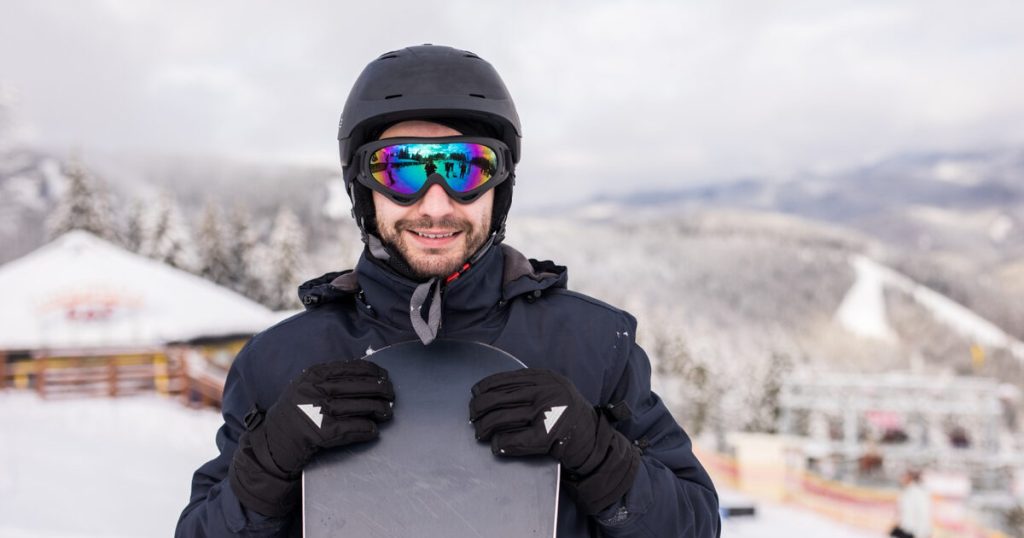
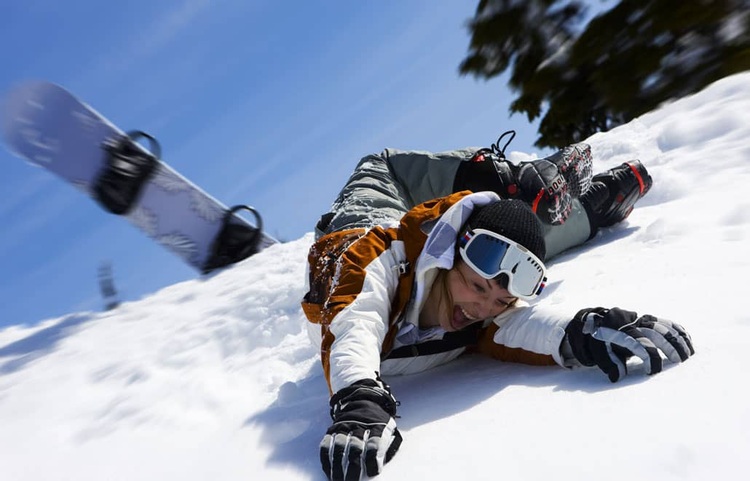
Imagine flying down Blue Mountain’s slopes with adrenaline high when an ice patch suddenly sends you face first into the snow. In seconds, your teeth could be chipped or knocked out, or your jaw could be fractured. Toronto snowboarders are right to worry about dental injuries caused by crashes. The simple solution is mouthguards for snowboarding, which offer strong protection when combined with helmets and safe riding habits to help keep your smile intact all season. In the worst-case scenario, serious impacts may require surgical treatments. However, with the right precautions, many injuries can be prevented. Read on to learn about the risks, the best mouthguard options, and essential emergency tips.
Understanding the Dental Risks on Toronto’s Slopes
Snowboarding on the slopes around Toronto, such as the popular Blue Mountain Resort in Ontario, is thrilling, but crashes on snow and ice can lead to serious dental and facial injuries. Dental trauma occurs in winter sports, including tooth fractures, avulsions (knocked-out teeth), and jaw fractures.
Statistics: One survey found dental injuries among 6.6% of ski and snowboard instructors (source). A larger analysis reported that about 21.6% of snowboarding-related facial traumas involved fractures, often to the lower jaw (source).
A Cautionary Tale: Real Snowboarder Story
A real-life crash shows just how quickly a fun day on the slopes can turn serious:
In 2019, a young snowboarder in Squamish, British Columbia, was riding through trees when he hit a hidden stump and slammed face-first into a tree. The impact shattered his jaw in multiple places, loosened several lower teeth, and caused some to fall out completely. He required emergency surgery, multiple root canals, and months of recovery. He was lucky to survive, but he now faces lasting dental damage (source).
Stories like this remind us that even experienced riders can have bad luck in the backcountry or on crowded runs. So, it’s important to take it seriously and take the necessary precautions.
Proven Benefits of Mouthguards for Snowboarding
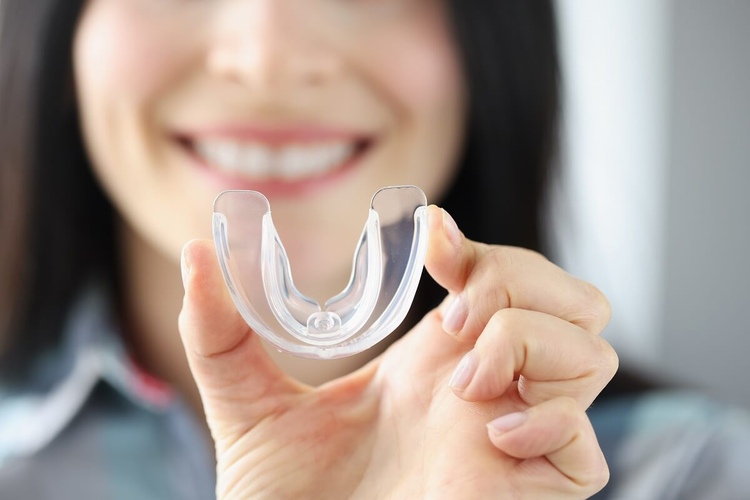
The main solution to protecting your teeth during snowboarding is simple: wear a mouthguard. This affordable piece of gear acts as a shock absorber, significantly lowering the chances of dental and facial injuries from crashes.
Wearing a mouthguard can reduce the risk of orofacial injuries by 82% to 93% compared to not wearing one (source). Without a mouthguard, the overall risk of these injuries is 1.6 to 1.9 times higher (source). Mouthguards for snowboarding are highly effective at preventing dental trauma like broken teeth, jaw fractures, and soft tissue damage.
Types of Mouthguards and How to Choose
Choosing the right mouthguard is key to getting real protection without sacrificing comfort or breathability on the slopes. There are three main types available, each with different levels of fit, safety, and cost:
| Type | Fit & Comfort | Protection Level & Cost | Best For |
| Stock Mouthguards | Loose fit, bulky feel, often uncomfortable, can shift during impact | Low protection, low cost | Not recommended for snowboarding |
| Boil-and-Bite Mouthguards | Semi-custom fit after molding, reasonably comfortable, may feel slightly bulky | Medium protection, medium cost | Recreational snowboarders |
| Custom-Fitted Mouthguards | Precision fit to teeth, slim profile, very comfortable, stays firmly in place | High protection, high cost | Regular or high-risk snowboarders |
Note: About using mouthguards for snowboarding, dentists generally recommend custom-fitted or at least a good boil-and-bite model over stock ones, as the superior fit dramatically improves safety and makes you more likely to actually wear it every run.
Protect Your Smile Before Your Next Slope Run!
Don’t wait for an injury to happen. Get a custom-fitted mouthguard tailored for snowboarding and ride with confidence. Park Dental Centre in Toronto offers expert fittings and full dental care for winter sports enthusiasts.
Beyond Mouthguards: Key Prevention Strategies
While mouthguards for snowboarding are your first line of defense for protecting teeth and jaws, a few extra steps can make snowboarding even safer on Toronto’s slopes:
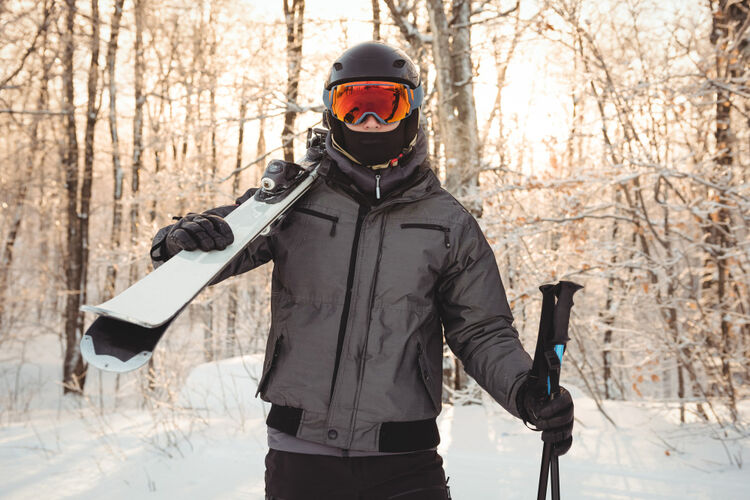
- Wear a properly fitted helmet: A well-fitting helmet reduces head and facial impact. Pick one with good coverage and MIPS technology if possible.
- Ride within your limits and stay alert: Most crashes happen when riders push too hard or ignore conditions. Watch the slope ahead, avoid ice patches and obstacles, and take breaks to stay focused.
- Warm up and stay hydrated: Cold muscles are more prone to injury. Do light stretches before riding and drink water regularly to maintain reaction time.
- Check your gear before every run: Make sure your mouthguard, helmet straps, and bindings are secure and undamaged before heading down.
Related Topic: Tooth Sensitivity in Cold Weather: What Are the Causes & How to Stop It in Toronto?
Handling Dental Emergencies from Slope Crashes
Crashes on the slopes can lead to serious dental injuries. Acting quickly and calmly can help save teeth, reduce long-term damage, and improve recovery outcomes. Here’s how to handle the most common dental emergencies:
Knocked-Out Tooth (Avulsion). Pick up the tooth by the crown (top part, not the root) and rinse it gently with water; avoid scrubbing or using soap. If possible, place it back in the socket and hold it with clean gauze. Otherwise, keep it moist in milk or your saliva. See a dentist immediately; prompt treatment, which may include root canal therapy, greatly improves the chances of successful re-implantation.
Chipped or Fractured Tooth. Rinse your mouth with warm water to clean the area. Apply a cold compress to the face to reduce swelling. Contact a dentist right away for evaluation; treatments may include bonding, crowns, veneers, or other restorations to repair the damage.
Displaced (Luxated) Tooth. If a tooth is pushed out of position, do not try to force it back. Rinse gently and seek dental care as soon as possible for realignment and stabilization.
Jaw Injury (Possible Fracture or Dislocation). Immobilize the jaw by wrapping a cloth or bandage around your head and under the jaw. Avoid eating or excessive movement. Go to an emergency room or dentist immediately, as professional imaging and treatment are often required.
Soft Tissue Injuries (Cuts to Lips, Gums, or Tongue). Rinse with warm salt water and apply gentle pressure with a clean cloth to stop bleeding. If bleeding persists, seek professional help quickly to prevent infection; check our gum care tips.
Note: In severe cases, such as multiple fractures or heavy bleeding, treatments may include root canals, wiring the jaw, or using metal bands to stabilize teeth. Always prioritize professional care; the sooner you get treatment, the better the outcome.
Get Protected and Ride Safely in Toronto
Snowboarding on Toronto’s slopes is exciting, but crashes can lead to serious dental injuries such as fractures or knocked-out teeth. Using mouthguards for snowboarding, especially custom-fitted ones, can reduce these risks by up to 93%. Combine them with helmets, smart riding habits, and knowing how to act in an emergency to keep your smile safe all season.
For expert care, visit Park Dental Centre, Toronto’s leading clinic for custom mouthguards for snowboarding and treatment of sports-related dental injuries. Book your appointment today and ride with confidence.
FAQ
Do mouthguards prevent concussions in snowboarding?
Evidence is mixed and limited; they excel at reducing dental and facial injuries but offer minimal proven protection against concussions. Helmets remain the primary defense for head impacts.
How should I clean my snowboarding mouthguard?
Rinse with cool water after each use, store in a ventilated case, and clean weekly with mild soap or toothpaste. Avoid hot water or harsh chemicals to prevent damage.
Is a mouthguard still necessary if I wear a helmet?
Yes. Helmets protect the skull, but mouthguards specifically shield teeth, jaws, and soft tissues from direct impacts and fractures common in slope crashes.
Can I wear a mouthguard with braces while snowboarding?
Yes; opt for custom or specially designed models that fit over braces comfortably, preventing lacerations and damage to orthodontic appliances during falls.
How often should I replace my mouthguard for snowboarding?
Replace every season or immediately if worn, cracked, or ill-fitting. Degraded guards lose effectiveness and increase injury risk on the slopes.
Have you ever had a close call on the slopes, or do you already wear a mouthguard while snowboarding? Share your experiences and tips in the comments below. We’d love to hear from you!