
Detect Early, Protect Your Health
Oral cancer can develop silently, without any noticeable symptoms in its early stages. At Park Dental Centre, we provide quick, comfortable, and accurate oral cancer screening in Toronto to help detect any warning signs early, when treatment is most effective.
KOREATOWN
Dundas Square
Book an Appointment Today!
Treatment Duration
------
Covered by most insurances
------
Session Length
------
Recovery Time
------
Discomfort Level
------
Cost per Treatment
------
Oral cancer can affect anyone, and catching it early could save your life. Data shows that over 75% of oral cancer cases are detected late, but they don’t have to be. When detected early, the survival rate is significantly higher, and treatment is often simpler and more successful. That’s why regular oral cancer screenings are a vital part of preventive dental care.
At Park Dental Centre, we make sure every patient receives a thorough yet gentle oral cancer exam, helping you stay ahead of potential health risks.
KOREATOWN
Dundas Square
Trustindex verifies that the original source of the review is Google. Extremely good customer service best dentistPosted onTrustindex verifies that the original source of the review is Google. Been coming here for years, and always get great service from the dentist, hygienists, and office staff. They fit me in for an emergency super flexibly, and were incredibly understanding! They're honest as well, and I never feel like I'm being pushed into services I don't need. Can't recommend enough!Posted onTrustindex verifies that the original source of the review is Google. I love going to Christie Park Dental, the whole team is very professional, compassionate, friendly and so kind. I totally recommend this dental office. They also have the most innovative and avant garde technology, which totally benefits their clientele. Thank you so much for always making me feel confortable, and cherished ❤️❤️❤️❤️❤️Posted onTrustindex verifies that the original source of the review is Google. Very positive experience.Posted onTrustindex verifies that the original source of the review is Google. Everything is ok just I don’t like the Ai phone assistance. It is annoying
Signs you should never neglect include:
Persistent sores or ulcers in the mouth
Red or white patches
Lumps, swelling, or thickened areas
Difficulty swallowing or chewing
Changes in voice or a persistent sore throat
If you notice any of these signs, don’t wait; book an appointment for a professional screening.
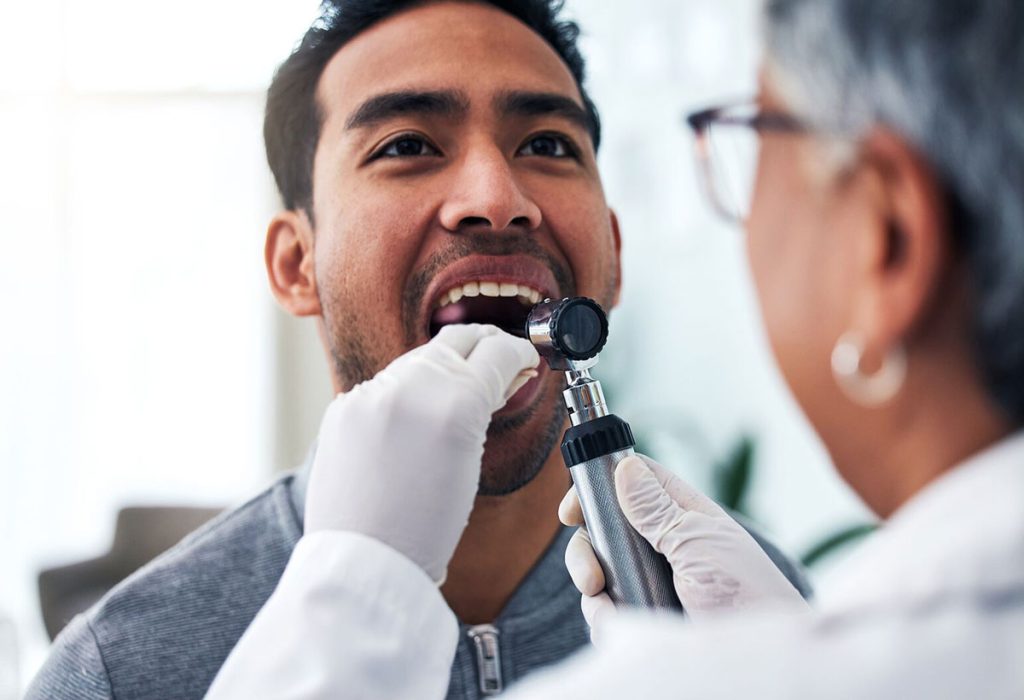
Our screenings are simple, quick, and painless. Here’s what you can expect:
A visual exam of your mouth, lips, tongue, and throat to check for unusual spots or changes.
A physical exam, where your dentist gently feels the tissues in your mouth and neck for lumps or irregularities.
Advanced light technology (if needed) to detect abnormalities that might not be visible to the naked eye.
You’ll be comfortable throughout, and our friendly team will explain every step as we go.
Everyone should have regular screenings, but certain factors increase your risk:
Tobacco or alcohol use
HPV infection
Excessive sun exposure (lip cancer risk)
Family history of cancer
Age over 40
Even if you feel healthy, dentists recommend yearly screenings. At Park Dental Clinic, we make prevention simple by including mouth cancer screening as part of your routine dental exam.
At Park Dental Centre, we use modern diagnostic tools to identify changes in oral tissue long before they become visible. This ensures accurate, early detection, giving you confidence in your results and your health.
Combined with our dentists’ clinical experience and high-definition intraoral imaging, you can trust that no suspicious area will go unnoticed.
Call us today to schedule your free consultation
KOREATOWN
Dundas Square
Most adults should undergo an oral cancer screening once per year during their regular dental visit. Patients with lifestyle or genetic risk factors should consider screening every 6 months.
Our team will recommend a personalized schedule based on your oral and medical history to keep you protected year-round.
If we notice any unusual changes during your screening, don’t panic; it doesn’t necessarily mean cancer. We’ll monitor the site for changes, take a small biopsy, or refer you to a trusted oral pathologist or specialist. Our team will guide you every step of the way, ensuring you get the care and support you need.

Experienced, compassionate dental professionals
Advanced technology for early detection
Personalized care and clear communication
Convenient Toronto location
Comfortable, welcoming atmosphere
Your smile and your health deserve the best care. Don’t wait for symptoms; get screened early and stay in control of your health. Schedule your oral cancer screening at Park Dental Centre Clinic in Toronto. Your peace of mind starts with one simple visit.
KOREATOWN
Dundas Square
Oral cancer screening is affordable and often included as part of your regular dental checkup. However, when it’s separate, the cost is modest and typically covered by insurance. Moreover, if additional diagnostic tools are needed, our staff will explain all costs upfront.
We also accept most insurance plans and offer flexible payment options, making preventive care accessible for everyone.
An oral cancer screening is a clinical exam performed by a dentist or healthcare provider to look for early signs of cancer or precancerous lesions in the mouth. Early detection through screening increases the chances of successful treatment and helps catch abnormalities before they progress.
During the screening, your dentist visually inspects and feels the tissues inside your mouth — lips, tongue, cheeks, gums, throat, and neck — for red or white patches, sores, lumps, or other unusual changes. Some clinics may use special lights or dyes to highlight abnormal areas.
Oral cancer screening is typically part of your regular dental checkups. Most providers recommend at least once per year, and more frequently if you have risk factors such as tobacco use, heavy alcohol consumption, prior oral cancer, or persistent symptoms.
Seek evaluation promptly if you notice any sore or ulcer that doesn’t heal within two weeks, persistent red or white patches, unexplained lumps or thickened areas, bleeding without cause, or persistent pain, numbness or difficulty swallowing.
No special preparation is needed, and the screening exam itself is painless. It is usually done in a few minutes during your routine dental visit. If abnormalities are found, your dentist may recommend further tests, such as a biopsy.