

Do your teeth seem to stain faster than everyone else’s, even though you brush every day? You’re not unique about it. Fast discoloration is a common concern, usually caused by daily habits, enamel wear, and repeated exposure to dark pigments. Fortunately, most staining is preventable. With the right approach to teeth staining prevention, including consistent daily care, smart lifestyle choices, and professional treatments like teeth whitening when needed, you can slow down new stains and maintain a brighter smile. This guide will show you why teeth stain quickly and the practical steps that actually make a difference.
Why Do Some Teeth Stain So Quickly?
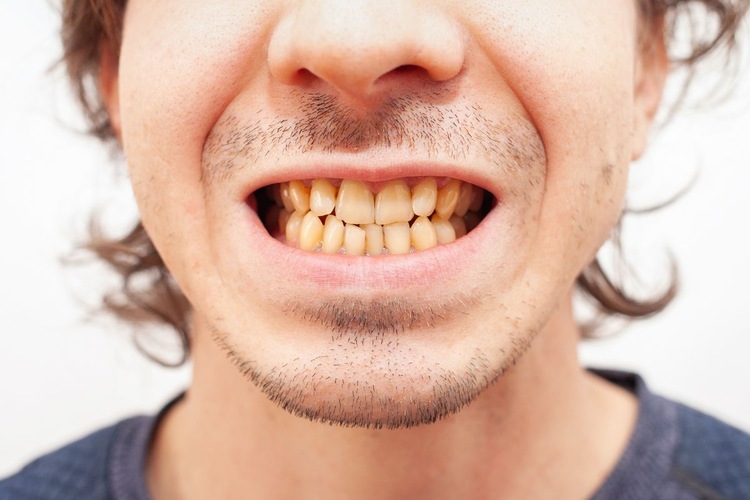
This usually happens because of surface stains that stick to the outer layer of the tooth, the enamel. According to ADA reports, most fast staining happens when colored compounds from food, drinks, or tobacco build up on the enamel surface (called extrinsic stains). Certain daily habits and natural factors can make this happen more quickly. Here are the main reasons:
- Frequent intake of dark-colored foods and drinks: Coffee, black tea, red wine, cola, berries, soy sauce, curry, and tomato sauces contain strong color pigments. These pigments attach to the enamel. The more often you consume them, the faster stains build up.
- Tobacco use: Smoking or chewing tobacco adds heavy brown and yellow pigments to the teeth. These pigments stick strongly to enamel and cause faster and more visible discoloration compared to non-smokers.
- Poor oral hygiene and plaque buildup: If plaque (a sticky layer of bacteria) is not removed daily, it holds onto color from food and drinks. When brushing and flossing are skipped, stains can form more quickly and become harder to remove.
- Thin or worn enamel: Enamel can become thinner with age, aggressive brushing, teeth grinding, or frequent acidic foods and drinks. When enamel is thinner, the yellow layer underneath (dentin) shows more easily. This makes teeth look darker, even if the stain is mild.
- Personal and genetic factors: Some people naturally have more porous or slightly yellow enamel. Certain medications, too much fluoride during childhood (fluorosis), or medical conditions can also change the enamel surface and make teeth more likely to stain.
The good news is that most fast staining happens on the surface of the teeth. That means it can usually be prevented or controlled with the right daily routine, which we’ll discuss next.
The Best Daily Oral Hygiene Routine to Prevent Stains
If your teeth stain easily, the solution is not complicated, but it must be consistent. A simple, focused daily routine can slow down surface stains before they become visible. These five habits directly reduce pigment buildup and help protect enamel. Do them every day for the best results.
1. Brush Twice a Day with the Right Toothpaste
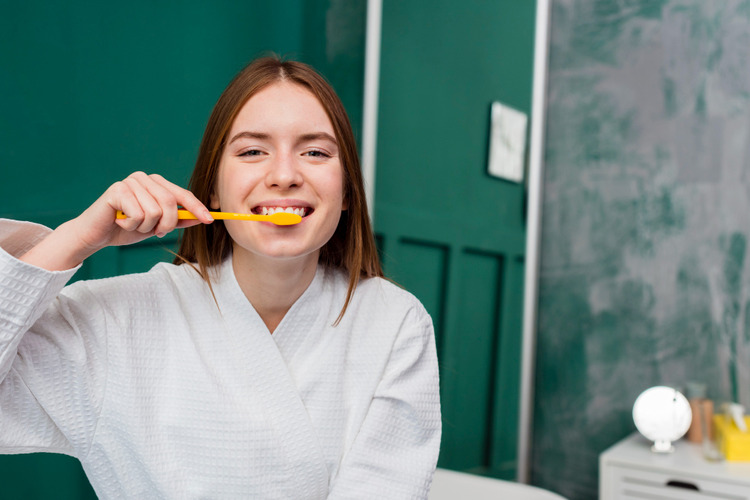
Brush your teeth for two full minutes in the morning and at night. Use a soft-bristled toothbrush and a fluoride toothpaste (1,000–1,500 ppm). If your teeth stain quickly, choose a toothpaste labeled “whitening” or one that contains baking soda. These help remove surface stains gently without harming enamel.
Electric toothbrushes can remove more plaque and surface stains than manual brushes. No matter which type you use, brush with gentle circular motions. Do not scrub hard; aggressive brushing can wear down enamel and make teeth look darker over time.
2. Floss Once a Day
For teeth staining prevention, floss at least once daily, preferably before bedtime. You can also use interdental brushes or a water flosser if that’s easier for you.
Plaque builds up between teeth where a toothbrush cannot reach. This plaque traps color from food and drinks and turns into tartar faster. When you remove it daily, you reduce the chance of stains forming in those hidden areas.
Related topic: Gum Care Essentials for Toronto’s Dry Winter Air
3. Rinse with Water After Dark Foods or Drinks
After drinking coffee, tea, red wine, cola, or eating berries, curry, or tomato-based foods, rinse your mouth with plain water for 10–20 seconds. This simple step helps wash away loose pigments before they stick to enamel. It only takes a few seconds but can significantly reduce staining over time.
Ready to Stop Teeth Staining for Good?
At Park Dental Centres in Toronto, we offer personalized consultations on teeth staining prevention, custom daily routines, professional cleanings whitening. Our experienced team and advanced equipment ensure lasting results.
Book your consultation today
4. Use a Straw for Dark Drinks
When possible, drink iced coffee, tea, cola, smoothies, or other dark beverages through a straw. A straw reduces direct contact between pigments and your front teeth. For thicker drinks like berry smoothies, use a wider straw for better flow.
5. Chew Sugar-Free Gum After Meals
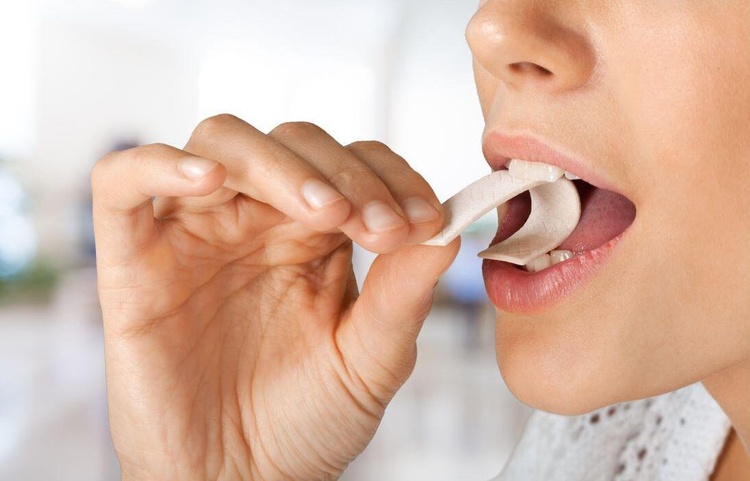
After meals or staining drinks, chew sugar-free gum for 10–20 minutes. Gum with xylitol is a good option. Chewing gum increases saliva flow. Saliva helps wash away food particles, dilute pigments, and neutralize acids. It is one of your mouth’s natural protection systems against staining.
If you follow these five habits consistently, many people notice less new staining within a few weeks. The key of teeth staining prevention is not intensity, it’s daily repetition.
Long-Term Actions for Lasting White Teeth
A good daily routine helps prevent new stains, but long-term care keeps your teeth bright over time. Some buildup cannot be fully removed at home, and occasional professional support helps maintain results. When you combine prevention with periodic dental care, whitening becomes more stable and longer-lasting.
Dietary and Lifestyle Tips for Teeth Staining Prevention
Beyond your daily hygiene habits, small lifestyle adjustments can reduce how much staining material reaches your enamel in the first place:
- Reduce how often you consume strongly pigmented foods and drinks like coffee, black tea, red wine, cola, berries, curry, soy sauce, and tomato-based sauces. These contain pigments that gradually bind to enamel.
- When you do consume them, pair wisely. Eating cheese can create a light protective layer on enamel, and crunchy vegetables like carrots or celery help stimulate saliva and gently clean surfaces.
- Avoid tobacco in any form. Smoking, vaping, or chewing tobacco causes heavy yellow and brown stains that build up quickly and are difficult to reverse.
- Stay hydrated. Drinking water throughout the day supports saliva flow and helps dilute acids that make enamel more vulnerable to staining.
- After acidic foods or drinks, wait 30–60 minutes before brushing. This gives saliva time to strengthen enamel again and reduces long-term surface damage.
These changes don’t require giving up your favorite foods completely. Moderation and smart habits make a noticeable difference in how fast stains return.
Read more: Impact of Vegan Diet on Dental Health: What Nutrients You Need

Regular Checkups and Whitening Options
Even with excellent home care, some surface stains and tartar gradually build up in areas that brushing cannot fully reach. Professional dental cleanings every 6–12 months remove hardened plaque and surface discoloration, helping reset your teeth to a cleaner baseline and prevent stains from becoming deeper or more visible.
In addition, dental sealants can be applied to the chewing surfaces and other vulnerable areas to provide a protective barrier, reducing pigment buildup and making daily cleaning even more effective.
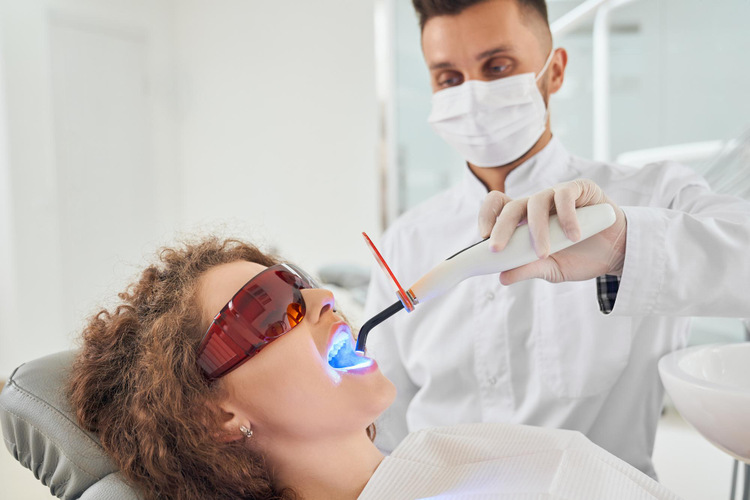
If you want brighter results beyond stain control, professional whitening or bonding is more predictable and safer than most over-the-counter products. In-office treatments provide faster results, while dentist-supervised at-home trays offer gradual, even whitening. For intrinsic (internal) discoloration, your dentist may recommend restorative options such as porcelain veneers.
For teeth with deeper or internal stains, treatments like professional internal tooth bleaching can also safely restore brightness.
Planning a big event like a wedding or special celebration? Check out our guide on Teeth Whitening for Weddings to learn tips, timing, and professional options to make your smile truly shine on your big day.
Take Control of Stains Starting Today
Teeth can stain quickly because of daily exposure to dark pigments, plaque buildup, enamel wear, and individual factors. The key to effective teeth staining prevention is consistency. When you combine proper brushing and flossing, smart dietary habits, and regular professional care, you can slow down discoloration and keep your smile brighter for the long term.
At Park Dental Centres, we support you at every stage of that process. We provide personalized guidance for stain prevention, thorough checkups and professional cleanings, and safe, clinically supervised whitening treatments. Whether your goal is to maintain a healthy natural shade or achieve a noticeably whiter smile, we’re here to help you do it safely and effectively.
FAQ
Why do my teeth stain so quickly, even if I brush regularly?
Even with regular brushing, enamel wear, thin enamel, high consumption of chromogenic foods/drinks (coffee, tea, red wine), plaque buildup, or chromogenic bacteria can cause faster extrinsic staining. Consistent rinsing and limiting staining agents help significantly.
Can certain toothpastes or mouthwashes cause more staining?
Yes, some mouthwashes containing chlorhexidine (common in prescription rinses) or certain colored toothpastes can cause temporary extrinsic staining over time. Switch to fluoride-based, alcohol-free, and whitening formulas recommended by your dentist to minimize this risk.
How long does it take to see results from a daily stain-prevention routine?
Visible improvement in surface stain reduction usually appears within 2–4 weeks of consistent brushing twice daily with whitening toothpaste, daily flossing, and rinsing after staining drinks. Deeper or intrinsic stains need professional cleaning or whitening.
Is professional whitening necessary if I follow a good daily routine?
A strong daily routine prevents new stains effectively, but it cannot remove existing deep extrinsic or intrinsic discoloration. Professional whitening or in-office cleanings (every 6–12 months) are often needed for brighter, whiter results beyond prevention.
What foods and drinks stain teeth the fastest, and how can I still enjoy them?
Red wine, coffee, black tea, cola, berries, curry, and soy sauce stain fastest due to tannins and pigments. Enjoy them using a straw, rinse immediately with water, chew sugar-free gum, or pair with cheese to neutralize acids and reduce adhesion.
If your teeth stain quickly, share in the comments: What’s worked for you in your daily routine, or what concerns/questions do you have?