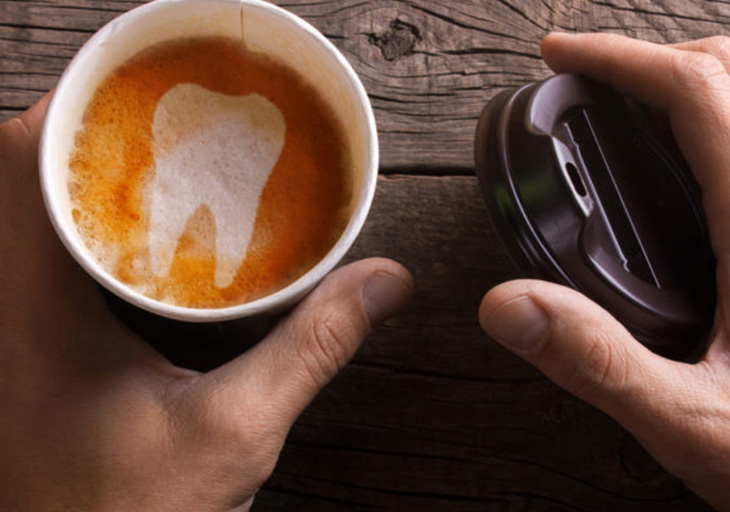
Toronto thrives on its coffee culture. Nowadays, a daily brew is a ritual for many. Coffee is deeply woven into the fabric of city life. But while your favourite coffee shop offers comfort and energy, there is a hidden cost for your oral health. The truth is, how Toronto’s coffee culture is destroying your teeth is a concern many residents overlook.
At Park Dental Centre, we see firsthand the effects of regular coffee consumption. For this reason, we have prepared this article to explore the common dental problems linked to your daily cup. More importantly, we will provide actionable strategies to help you enjoy your coffee without compromising your dental health. Stay with us.
Toronto’s Coffee Dental Side Effects
Your morning coffee might feel harmless, but over time, it can contribute to several dental issues. The combination of coffee’s colour, acidity, and often, added sugars, creates a perfect storm for your teeth. Let’s break down the main culprits that challenge Toronto’s coffee dental health.
The Aesthetic Challenge: Coffee Stains Teeth
One of the most immediate and visible effects of coffee is staining. Coffee contains chromogens, which are dark-pigmented compounds, and tannins, plant-based compounds that allow chromogens to cling to tooth enamel. These substances seep into the microscopic pores and ridges of your tooth surface, causing extrinsic stains.
Over time, these stains become more deeply embedded and resistant to regular brushing. This can lead to a dull or yellowed smile, impacting your confidence. It is a common complaint among our patients at Park Dental Centre who enjoy Toronto’s vibrant coffee scene.

The Health Challenge: Acid Erosion and Enamel Wear
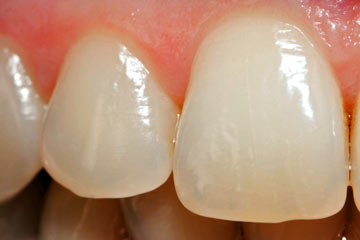
Beyond staining, coffee is acidic. The pH level of black coffee typically ranges from 4.5 to 5.5, which is significantly lower than the neutral pH of 7.0. Your tooth enamel, the hard, protective outer layer of your teeth, begins to demineralise and soften when exposed to acids with a pH below 5.5.
When you sip coffee throughout the day, your teeth are repeatedly bathed in this acidic environment. This continuous exposure can lead to acid erosion, gradually wearing away your enamel. As enamel thins, it exposes the underlying dentin, which is yellower and more porous, making teeth appear darker and increasing sensitivity to hot, cold, and sweet foods.
Beyond Stains and Enamel Wear: Cavities and Bad Breath
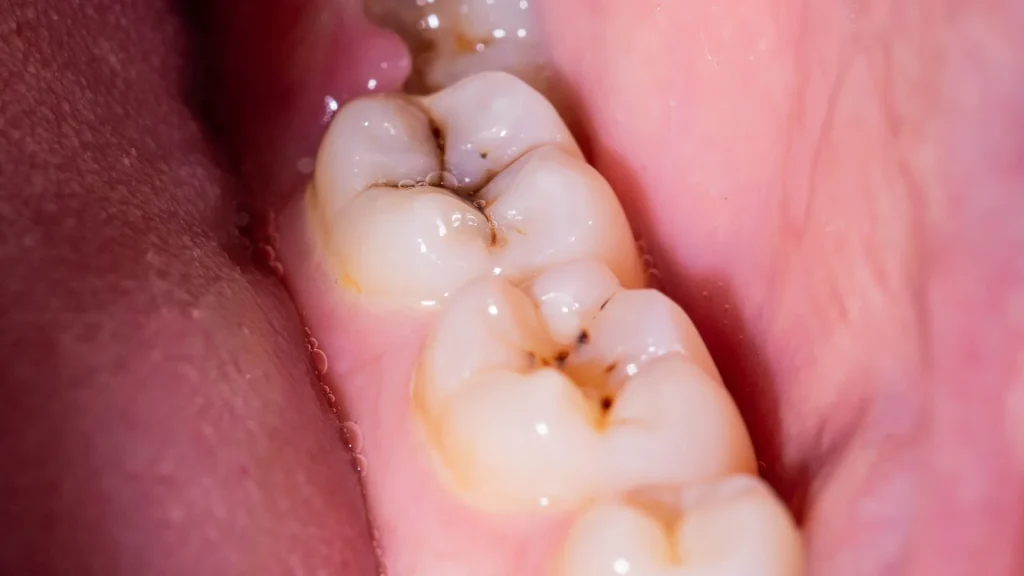
While black coffee itself does not contain sugar, many Toronto coffee drinkers add sugar, syrups, or milk to their beverages. These additions provide fuel for oral bacteria, which produce more acid as a byproduct, further increasing the risk of cavities. Frequent exposure to these sugars, especially when consumed slowly, prolongs the acid attack on your enamel.
Coffee can also contribute to dry mouth, especially if consumed in large quantities. Saliva plays a crucial role in washing away food particles, neutralising acids, and remineralising enamel. Reduced saliva flow can increase the risk of cavities and contribute to bad breath.
Smart Habits for Toronto Coffee Lovers
You do not have to forgo your favourite coffee shops to maintain a healthy smile. With a few smart adjustments to your habits, you can significantly reduce the impact of coffee on your teeth. Here are some effective strategies for preventing tooth damage related to coffee.
Mindful Coffee Consumption
- Drink Quickly, Not Slowly: Sipping coffee over hours prolongs the acid exposure. Try to finish your coffee within 20-30 minutes.
- Use a Straw: For iced coffees, a straw can help bypass the front teeth, reducing direct contact with enamel and minimising staining and acid exposure.
- Rinse with Water Immediately: After finishing your coffee, swish plain water around your mouth. This helps wash away residual acids and pigments, and stimulates saliva production to neutralise the pH.
- Avoid Brushing Immediately: After consuming acidic drinks, enamel is temporarily softened. Brushing too soon can cause more damage. Wait at least 30-60 minutes before brushing your teeth.
Optimising Your Oral Hygiene Routine
- Brush Twice Daily: Use a soft-bristled toothbrush and fluoride toothpaste. Fluoride strengthens enamel and helps protect against acid attacks.
- Floss Daily: Flossing removes plaque and food particles from between teeth and along the gumline, areas where stains and bacteria can accumulate.
- Consider Whitening Toothpaste: For mild surface stains, a whitening toothpaste can help, but be careful not to over-brush or use abrasive products that can damage enamel.
- Use an Electric Toothbrush: Many electric toothbrushes offer superior plaque and stain removal compared to manual brushing.
Dietary Adjustments
- Limit Sugar and Syrups: Reduce or eliminate added sugars and flavourings in your coffee to cut down on cavity-causing bacteria.
- Pair with Water or Food: Drinking water alongside your coffee or having it with a meal can help stimulate saliva and dilute acids. Chewing fibrous foods like apples or carrots can also help clean teeth naturally.
- Choose Your Milk Wisely: Dairy milk can slightly buffer the acidity of coffee, but plant-based milks often contain added sugars, so check labels.
Professional Toronto Dental Care for Coffee Drinkers
While at-home care is essential, professional dental intervention plays a critical role in mitigating the effects of coffee on your teeth, including:
Regular Check-ups and Cleanings
Routine dental examinations and professional cleanings are your best defence against coffee-related damage. Hygienists can effectively remove stubborn stains that regular brushing cannot tackle. During your check-up, dentists can also detect early signs of acid erosion or cavities, allowing for timely intervention before problems escalate. Regular visits are crucial for comprehensive coffee teeth damage prevention.
Professional Whitening Options
If your teeth have developed significant staining from years of coffee consumption, professional teeth whitening can dramatically brighten your smile. We offer safe and effective whitening treatments that penetrate deep into the enamel to break down discolouration. We also offer internal tooth bleaching, which is effective for the teeth that have darkened from the inside. These are often the most effective ways to combat the coffee stains that Toronto residents experience.
Keep Your Smile as Bold as Your Brew
You don’t need to give up your morning coffee, but a little professional upkeep goes a long way in preventing long-term damage and staining. Our experienced dentists at Park Dental Centre are always here to help you.
Book your consultation today
Fluoride Treatments and Sealants
For individuals with a higher risk of acid erosion or cavities, we may recommend in-office fluoride treatments. These treatments deliver a concentrated dose of fluoride to your enamel, strengthening it and making it more resistant to acid attacks. Dental sealants can also be applied to the chewing surfaces of your back teeth to provide an extra protective barrier against decay.
Restorative Dentistry
In cases where coffee consumption has led to significant enamel erosion or cavities, restorative treatments may be necessary. This could include dental fillings to repair decayed areas or dental crowns to protect severely damaged teeth.
Conclusion
While it is true that how Toronto’s coffee culture is destroying your teeth is a real concern, you have the power to protect your smile. By understanding the risks and adopting proactive habits, you can continue to enjoy your favourite brews without compromising your oral health.
Remember, a partnership with a trusted dental professional is invaluable. At Park Dental Centre, we are here to help you maintain your oral health. We provide comprehensive dental care for our coffee-lover patients in Toronto. If you are a regular coffee drinker too, contact us today to enjoy your coffee without health concerns.
FAQ
Does adding milk or cream to coffee help protect teeth?
Adding milk or cream can slightly buffer the acidity of coffee, making it less harmful to your enamel. However, it does not eliminate the risk, especially if you add sugar. The best approach is to still rinse your mouth with water afterwards.
What kind of toothpaste is best for coffee drinkers?
A fluoride toothpaste is essential for strengthening enamel and fighting cavities. For surface stains, a mild whitening toothpaste can be helpful.
How often should a coffee drinker visit the dentist in Toronto?
Most coffee drinkers should aim for dental check-ups and cleanings every six months. If you have existing dental concerns or are particularly prone to stains or erosion, your dentist might recommend more frequent visits.