Flossing plays a crucial role in preventing cavities and gum disease, reaching areas a toothbrush cannot. Many parents wonder, “When should kids start flossing?” The answer is often earlier than you might think. Establishing good oral hygiene habits early sets the foundation for a lifetime of healthy teeth and gums.
This guide will help you understand the ideal time to introduce flossing to your child, how to make it an effective and positive experience, and why it is so important for their overall dental health. Stay with us.
The Right Age to Start Flossing for Kids
The general recommendation for kids’ flossing age is when two teeth touch each other. This often occurs around ages 2 to 3, as primary teeth start to come into close contact. At this stage, food particles and plaque can get trapped between teeth, and brushing alone won’t remove them effectively. This is why Canada.ca suggests flossing early to prevent issues like interdental cavities.
Even if your child is still a toddler, paying attention to their developing teeth is important. As soon as you notice any two teeth touching, it’s time to introduce flossing. Initially, this will be entirely a parent’s responsibility, as young children lack the manual dexterity for proper flossing.

Think of it as an extension of their brushing routine. Just like you help them brush, you will need to help them floss. This early introduction helps normalize the practice, making it a natural part of their daily oral care routine as they grow.
Here’s a quick guide to help you along the way:
| Age Range | What to Do | Parent’s Role |
| 2–3 years | Begin flossing once two teeth touch | You do all the flossing |
| 4–5 years | The child starts flossing under supervision | You guide and encourage |
| 6–8+ years | Child starts flossing under supervision | You monitor and correct technique |
Why Flossing Matters
Brushing cleans the surfaces of the teeth, but it cannot reach between them or under the gumline, where plaque and food debris tend to accumulate. This is precisely where flossing for kids becomes indispensable. Without regular flossing, these hidden areas become breeding grounds for bacteria.
What happens if a child doesn’t floss? The consequences can be significant. Plaque buildup between teeth leads to tooth decay, commonly known as cavities. These interdental cavities can be particularly difficult to treat and can spread quickly. Additionally, unchecked plaque can irritate the gums, leading to gingivitis, an early form of gum disease characterized by red, swollen, and bleeding gums. Good dental health for children means addressing all surfaces of their teeth.
Regular pediatric dental flossing helps remove plaque and food particles, significantly reducing the risk of cavities and maintaining healthy gums. It is a critical component of comprehensive children’s oral health, working in tandem with brushing to keep their smiles bright and strong.
How to Teach Kids to Floss
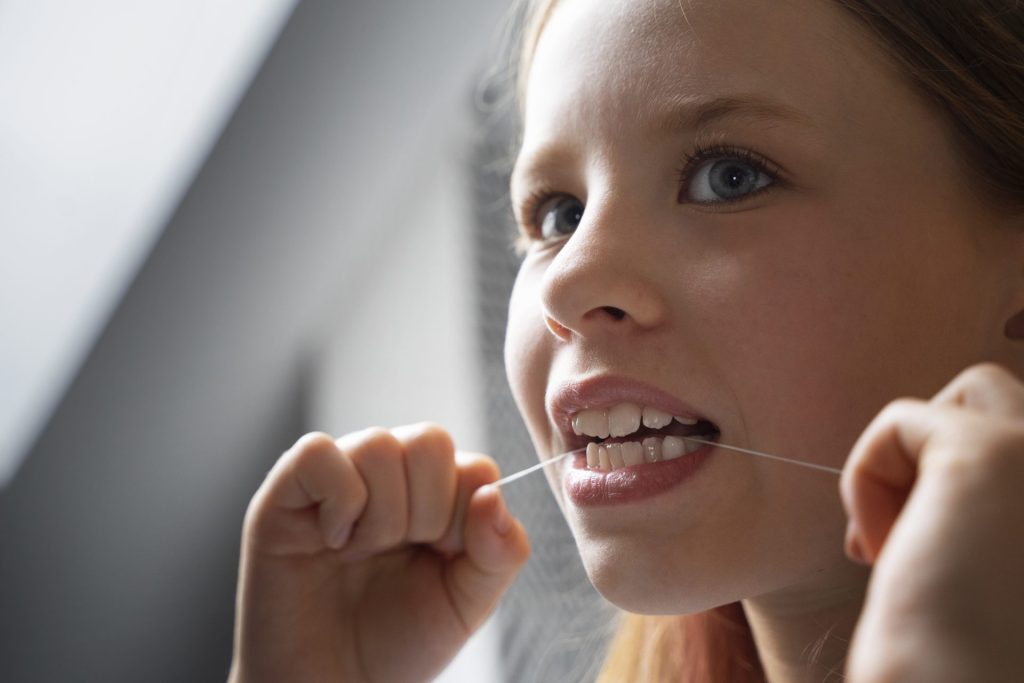
Teaching kids to floss requires patience. The goal is to make it a positive experience, not a chore. Here’s how to teach kids to floss effectively:
- Start with the Right Tools: Choose child-friendly flossers or soft dental floss. We will discuss options below.
- Use a Mirror: Stand with your child in front of a mirror. This allows them to see what you are doing, making it less mysterious.
- Demonstrate Gently: Take about 18 inches (45 cm) of floss and wrap the ends around your middle fingers, leaving about 1-2 inches (2.5-5 cm) to work with. For flossers, simply hold the handle.
- Guide the Floss: Gently slide the floss between two teeth. Use a soft, back-and-forth motion to ease it past the contact point.
- Form a “C” Shape: Once through, curve the floss into a “C” shape against one tooth, sliding it gently up and down against the side of the tooth and slightly under the gumline. Repeat for the adjacent tooth.
- Move to a New Section: Unwind a fresh section of floss for each new pair of teeth to avoid transferring plaque.
- Be Patient and Positive: Praise your child for their cooperation. Keep early sessions short and gradually increase the number of teeth you floss.
Consistency is key. Aim to floss your child’s teeth once a day, preferably before bedtime.
A Personalized Consultation Helps Much More
We know that as parents, there is nothing more important to you than the health of your little ones. A personalized consultation always works better for your specific needs and challenges. Our experienced pediatric dentists at Park Dental Centre are always here to help you.
Book your consultation today
Choosing the Best Floss for Kids
Selecting the right flossing tools can significantly impact your child’s willingness to participate and your ability to floss their teeth effectively. There are several options for the best floss for kids:
- Traditional Dental Floss: This is a classic choice. Unwaxed floss can sometimes be easier to slide between tight teeth. Waxed floss is durable and less likely to shred. Both are effective.
- Floss Picks (Flossers): These are often the most popular choice for children and parents. They are small, plastic tools with a piece of floss pre-strung between two prongs, making them much easier to maneuver, especially for toddler flossing. Many come in fun colours and shapes, which can encourage children.
- Floss Holders: Similar to floss picks but reusable, these holders allow you to string fresh floss each time. They offer a good grip and can be helpful for parents.
- Water Flossers: While not a replacement for traditional flossing, water flossers can be a helpful addition, especially for children with braces. They use a stream of water to dislodge food particles and plaque. Consult with your pediatric dentist in Toronto before introducing a water flosser.
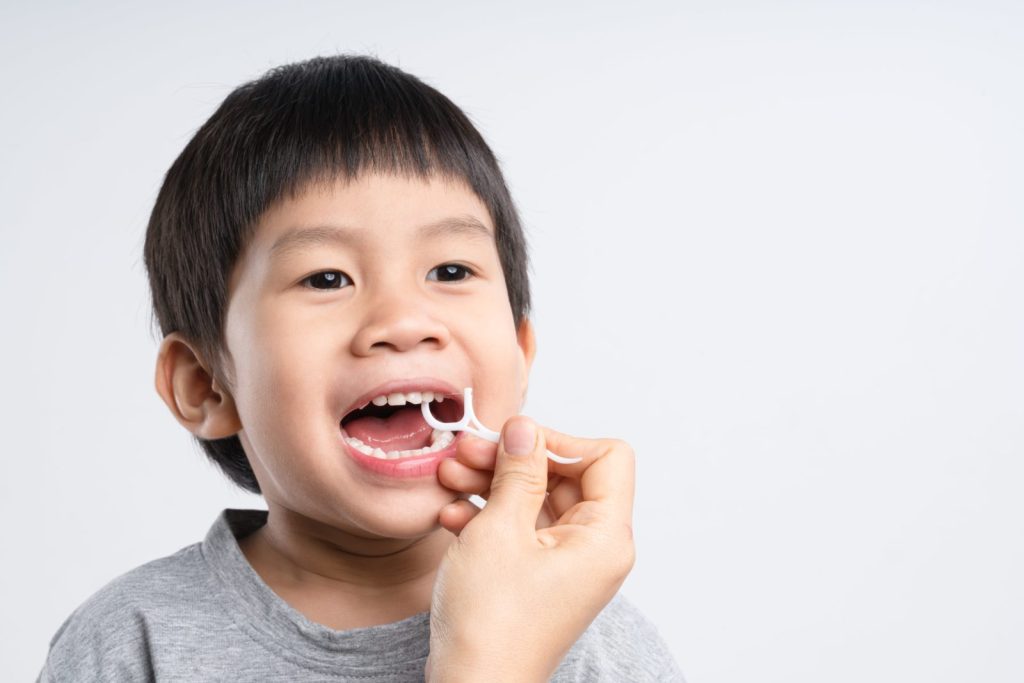
Experiment with different types to see what works best for you and your child. The most important factor is finding a tool you can use consistently and effectively.
Making Flossing a Fun and Regular Habit
Integrating flossing into your child’s daily routine can be challenging, but with a few strategies, you can make it more enjoyable:
- Lead by Example: Let your child see you flossing your own teeth. Children often mimic their parents’ habits.
- Use Positive Reinforcement: Praise and encouragement go a long way. Avoid scolding or making flossing feel like a punishment.
- Incorporate Play: Make it a game. Sing a song, tell a story, or let them choose their favourite coloured floss pick.
- Consistency is Key: Floss at the same time every day, perhaps right after dinner or before bed, so it becomes an expected part of their routine.
- Give Them Control (When Ready): As they get older, let them choose their floss or flosser. Gradually allow them to try flossing a few teeth themselves, with your supervision.
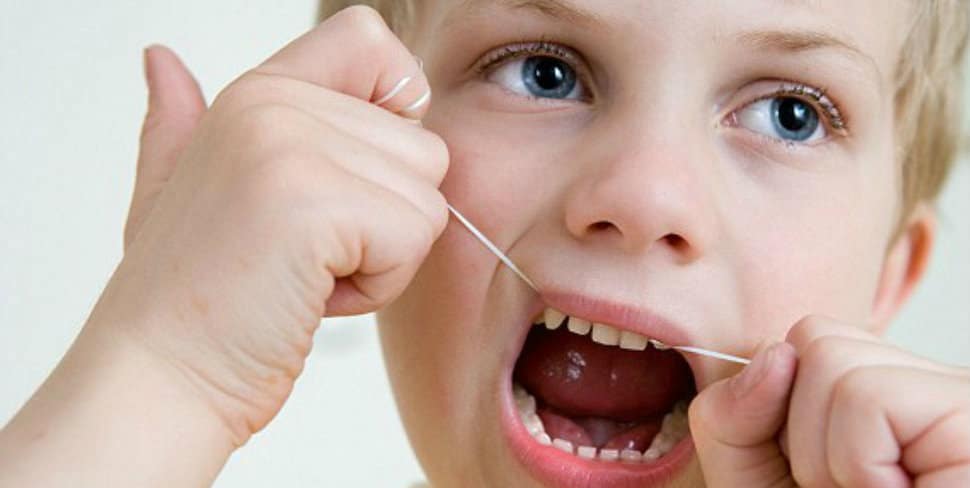
Remember that even a few minutes of effective flossing each day can make a big difference in children’s oral health.
When Can Kids Floss on Their Own?
The ability of children to floss on their own varies significantly. Generally, children develop the necessary fine motor skills for independent flossing around ages 8 to 10. This is similar to the age when they can tie their shoelaces or write neatly.
Until then, parental assistance is crucial. Even when they start flossing independently, continue to supervise them and perform spot checks to ensure they are cleaning thoroughly. Look for signs of effective flossing, such as clean interdental spaces and healthy, pink gums. If you notice any bleeding or signs of irritation, gently review their technique with them.
Regular dental check-ups are also vital for monitoring their progress and ensuring their flossing technique is effective. Your dentist can provide tailored advice based on your child’s individual development.
Common Mistakes Parents Make When Kids Start Flossing
Even the most caring parents can make small mistakes that affect their child’s dental health. Avoiding these pitfalls will make flossing smoother, more effective, and more comfortable for both you and your child. Here are a few to keep in mind:
- Waiting too long to start: Cavities can form quickly once teeth touch. Start early to prevent them.
- Flossing too roughly: Gums are sensitive; gentle movements are enough to clean effectively.
- Letting kids floss alone too soon: Until your child has proper coordination, keep supervising to ensure they’re cleaning correctly.
- Skipping baby teeth: Even though they’ll fall out, they play a vital role in spacing and jaw development.
- Inconsistency: Skipping days makes plaque harder to remove and turns flossing into a chore rather than a habit.
Conclusion
Understanding when kids should start flossing is a key step in safeguarding their oral health. By introducing flossing around age 2-3, as soon as their teeth begin to touch, you are providing essential protection against cavities and gum disease. In this article from Park Dental Centre, we explained how parental involvement is critical in these early years, transitioning to supervision as your child develops the dexterity for independent flossing.
Remember, good oral hygiene habits established in childhood can lead to a lifetime of healthy smiles. Combining daily flossing with regular brushing and routine visits to a pediatric dentist ensures your child receives comprehensive dental care. For personalized advice on pediatric treatments, such as dental flossing, and all aspects of dental care for children in Toronto, contact us. We are here to support your family’s dental health.
FAQ
Can flossing hurt a child’s gums?
When done gently and correctly, flossing should not hurt a child’s gums. If you notice bleeding, it might indicate either gum inflammation due to plaque buildup or too much pressure during flossing. If bleeding persists, consult your dentist.
What if my child refuses to floss?
It’s common for children to resist new routines. Keep trying, but do so gently. Try different types of flossers, make it a game, or floss your own teeth in front of them. Consistency and a positive attitude are more important than forcing the issue and creating a negative association.
Is it okay to skip flossing occasionally?
While daily flossing is ideal, missing a day occasionally is not the end of the world. The goal is consistency over time. Re-establish the routine the next day. Regularity is far more beneficial than intense sessions.
How often should children visit the dentist?
Children should visit the dentist every six months for regular check-ups and cleanings, starting by their first birthday or within six months of their first tooth erupting. These visits are essential for monitoring their dental development and catching any issues early.