
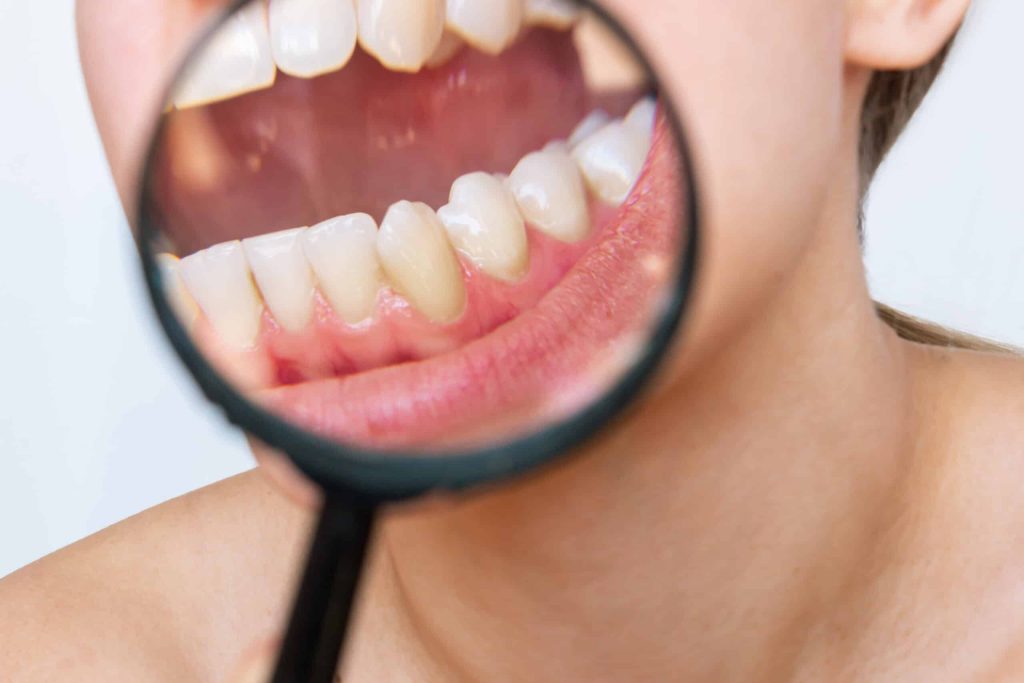
Plaque is a sticky, colourless film of bacteria that constantly forms on your teeth. While it might seem harmless at first, if left unchecked, plaque can harden into tartar, leading to cavities, gum disease, and even more serious oral health issues. Many individuals are looking for natural ways to prevent plaque buildup, aiming to achieve a healthier smile without relying on harsh chemicals. At Park Dental Centre in Toronto, we understand this desire and are here to guide you through effective, chemical-free strategies for preventing plaque buildup.
This comprehensive guide will explore proven methods and expert insights to help you maintain a clean, healthy mouth using natural approaches. From daily habits to dietary choices and simple home remedies, we’ll cover everything you need to know about preventing plaque buildup naturally.
What is Plaque?
Before diving into prevention, it’s helpful to understand what plaque is and why it’s such a concern. Plaque forms when bacteria in your mouth mix with sugary and starchy foods and drinks. This sticky film clings to your teeth, especially along the gumline. If not removed regularly, the bacteria produce acids that erode tooth enamel, leading to cavities. Over time, plaque can mineralize and harden into tartar (calculus), which is much more challenging to remove and requires professional dental cleaning.
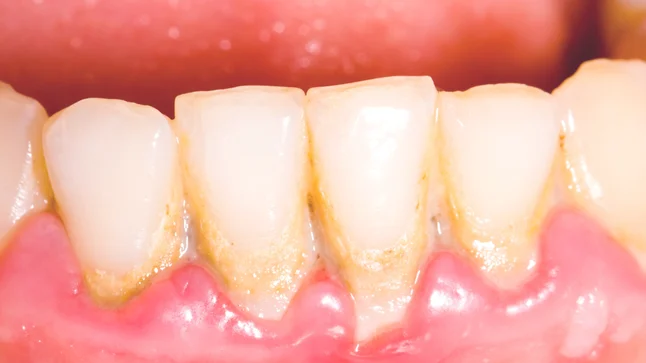
The good news is that preventing plaque buildup is entirely achievable with consistent effort and the right strategies, many of which don’t involve harsh chemicals. Our focus is on empowering you with natural ways to prevent plaque, promoting long-term oral health.
Foundational Oral Hygiene
Even when focusing on chemical-free methods, the cornerstones of excellent oral hygiene remain paramount. These habits are your first line of defence against plaque accumulation.
Brush Effectively and Naturally
Brushing is crucial for preventing plaque buildup. For a chemical-free approach, focus on the technique and your toothpaste choice.
- Brush Twice Daily: Aim for at least two minutes each time, using a soft-bristled toothbrush.
- Proper Technique: Angle your brush at 45 degrees to your gumline, using gentle, circular motions. Don’t forget to brush the inner surfaces, chewing surfaces, and your tongue.
- Natural Toothpaste: Look for toothpastes free from artificial colours, flavours, and harsh foaming agents like SLS. Many natural toothpastes use ingredients like xylitol, essential oils, and mineral clays to clean and freshen.
- Replace Your Brush: Change your toothbrush every 3-4 months, or sooner if the bristles are frayed.
Floss Daily for Comprehensive Cleaning
Brushing alone isn’t enough to remove plaque from between your teeth and under the gumline. Flossing is essential for these hard-to-reach areas.
- Daily Flossing: Make it a habit to floss at least once a day.
- Proper Technique: Use about 18 inches of floss, winding most of it around your middle fingers. Guide the floss gently between your teeth, using a rubbing motion. Curve the floss into a C-shape against one tooth, then gently slide it below the gumline. Repeat for the adjacent tooth.
- Eco-Friendly Options: Consider silk or plant-based flosses for a more natural approach, often free from petroleum-based waxes.
Read More: Are Water Flossers Better Than Traditional Floss? A Toronto Dentist’s Guide
Dietary Choices for a Plaque-Free Smile
What you eat and drink significantly impacts your oral health and how much plaque forms. Making mindful dietary choices is a powerful natural plaque prevention strategy.
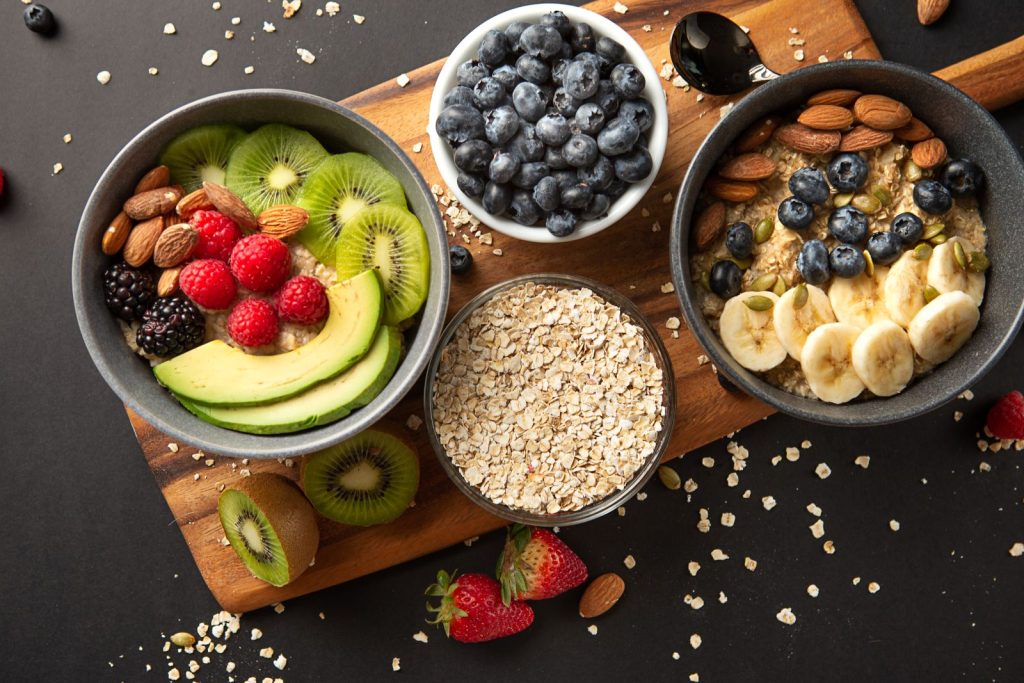
Foods That Help Prevent Plaque Buildup Naturally
Certain foods can actively help clean your teeth, stimulate saliva production, and even fight bacteria.
| Food Item | Benefits for Plaque Prevention |
|---|---|
| Crunchy Fruits & Vegetables (Apples, Carrots, Celery) | Act as natural toothbrushes, scrubbing away food particles and stimulating saliva flow, which neutralizes acids. |
| Leafy Greens (Spinach, Kale) | Rich in vitamins and minerals like calcium and folic acid, which strengthen tooth enamel and promote gum health. |
| Dairy Products (Cheese, Plain Yogurt) | High in calcium and phosphates, which help remineralize enamel. Cheese also increases saliva production. |
| Green Tea | Contains catechins, antioxidants that can inhibit the growth of bacteria that cause plaque and bad breath. |
| Nuts (Almonds, Walnuts) | Provide essential minerals like calcium and phosphorus, which are good for teeth. Their abrasive texture can help clean teeth. |
| Sugar-Free Gum with Xylitol | Xylitol inhibits the growth of plaque-causing bacteria and reduces acid production. Chewing gum also stimulates saliva. |
Foods to Limit or Avoid
Some foods and drinks actively promote plaque formation and enamel erosion.
- Sugary Snacks and Drinks: These are the primary fuel for plaque-forming bacteria. Limit candies, cookies, sodas, and fruit juices.
- Starchy Foods: Bread, pasta, and potato chips can get stuck in teeth and convert to sugars, feeding bacteria.
- Acidic Foods and Drinks: Citrus fruits, tomatoes, and carbonated beverages can erode enamel, making teeth more vulnerable to plaque. Consume in moderation and rinse your mouth with water afterward.
Read More: Can Sugary Drinks Ruin Your Teeth Even If You Brush Regularly?
Stay Hydrated with Water
Drinking plenty of water throughout the day is one of the simplest yet most effective ways to prevent plaque buildup without chemicals. Water helps rinse away food particles and bacteria, keeping your mouth moist and promoting healthy saliva flow. Saliva is your body’s natural defence against acids and helps remineralize enamel.
Natural Home Remedies for Plaque Prevention
Beyond diet and basic hygiene, several natural remedies can support your chemical-free plaque prevention efforts.
It’s important to note that while these can be beneficial, they should complement, not replace, regular brushing, flossing, and professional dental care.
Oil Pulling
Oil pulling is an ancient Ayurvedic practice involving swishing a tablespoon of oil (typically coconut, sesame, or sunflower oil) in your mouth for 15-20 minutes. Proponents suggest it pulls bacteria and toxins from the mouth.
- How it Works: The oil’s fatty acids are believed to attract and dissolve bacteria, reducing plaque and improving gum health. Coconut oil, in particular, contains lauric acid, which has antimicrobial properties.
- How to Do It: Swish a tablespoon of organic, unrefined coconut oil in your mouth for 15-20 minutes. Do not swallow. Spit the oil into the trash (not the sink, as it can clog pipes) and rinse your mouth thoroughly with warm water. Follow with brushing.
- Effectiveness: While some studies show promising results for reducing plaque and gingivitis, more extensive research is needed. It’s generally considered safe as an adjunct to regular oral hygiene.
Natural Mouthwashes for Plaque
You can create your own chemical-free mouthwashes using simple ingredients.
- Saltwater Rinse: A simple warm saltwater rinse can soothe inflamed gums and help kill bacteria. Mix ½ teaspoon of salt in a cup of warm water and swish for 30 seconds.
- Aloe Vera Mouthwash: Pure aloe vera juice (food-grade) can be used as a mouthwash due to its anti-inflammatory and antibacterial properties. Research shows that aloe vera mouthwash can reduce gingival inflammation and has positive effects on plaque buildup.
- Herbal Infusions: Brewed and cooled teas like green tea or peppermint tea can be used as a refreshing and mildly antiseptic rinse.

Lifestyle Factors Supporting Oral Health
Your overall lifestyle plays a significant role in your oral health, influencing your body’s ability to fight off infections and maintain a healthy mouth.
- Manage Stress: Chronic stress can weaken your immune system, making you more susceptible to gum disease and other oral infections that contribute to plaque buildup. Practices like meditation, yoga, or spending time in nature can help.
- Prioritize Sleep: Adequate sleep is crucial for overall health, including your immune response. A well-rested body is better equipped to combat bacterial challenges in the mouth.
- Avoid Tobacco Products: Smoking and chewing tobacco are major risk factors for gum disease, tooth decay, and oral cancer. Quitting tobacco is one of the best things you can do for your oral and general health.
When to Seek Professional Guidance
While natural methods are effective for preventing plaque buildup, they are best used in conjunction with regular professional dental care. Your dentist and dental hygienist play a crucial role in maintaining your oral health.
- Regular Check-ups: We recommend visiting Park Dental Centre every six months for a comprehensive examination and professional cleaning. These visits allow us to identify and address any issues early.
- Professional Plaque and Tartar Removal: Even with the most diligent home care, some plaque and tartar can accumulate, especially in hard-to-reach areas. Our hygienists use specialized tools to safely and effectively remove these deposits, preventing them from causing further damage.
- Personalized Advice: We can provide tailored advice on the best chemical-free oral hygiene practices for your specific needs, demonstrate proper brushing and flossing techniques, and recommend natural products.
- Persistent Plaque Issues: If you’re consistently struggling with plaque buildup despite your best efforts, it’s essential to consult with a dentist. There might be underlying issues that require professional intervention.
Your Healthiest Smile Starts Here!
Learn more about our preventative dental services and get professional advice. Schedule your next dental cleaning and check-up with the experts at Park Dental Centre.
Book your consultation today
Conclusion
Preventing plaque buildup without chemicals is an achievable and rewarding goal. By consistently implementing foundational oral hygiene practices, making smart dietary choices, incorporating beneficial natural remedies, and maintaining a healthy lifestyle, you can significantly reduce your risk of plaque-related issues. Remember, these natural strategies are powerful tools in your oral health arsenal, but they work best when combined with the expert care provided by your dental professionals.
At Park Dental Centre in Toronto, we are committed to supporting your journey to a naturally healthy and radiant smile. Contact us to get guidance, professional cleanings, and comprehensive dental care tailored to your needs.
FAQ
What foods help prevent plaque buildup naturally?
Crunchy fruits and vegetables like apples, carrots, and celery act as natural toothbrushes. Dairy products like cheese and plain yogurt provide calcium, while green tea contains antioxidants that inhibit bacteria. Sugar-free gum with xylitol is also beneficial.
Can oil pulling remove plaque?
Oil pulling, particularly with coconut oil, may help reduce plaque and improve gum health by drawing out bacteria. However, it should complement, not replace, regular brushing and flossing. More research is ongoing, but it is generally considered a safe adjunct.
Are there natural mouthwashes for plaque?
Yes, simple saltwater rinses are effective for soothing gums and killing bacteria. You can also use pure aloe vera juice or cooled herbal teas like green tea or peppermint as natural, chemical-free mouthwashes.
Is baking soda effective for preventing plaque?
Baking soda can help prevent plaque by gently abrading surface deposits and neutralizing mouth acids. Use it sparingly and gently, mixed with water or your natural toothpaste, to avoid excessive abrasion.
How often should I see a dentist for persistent plaque issues?
We recommend visiting your dentist for a professional check-up and cleaning every six months. If you have persistent plaque buildup despite diligent home care, your dentist can assess the situation and recommend a more frequent cleaning schedule or other interventions.