
Teaching in Toronto comes with its own daily rhythm: long hours of speaking, limited breaks, and constant multitasking. While these habits may feel normal in the routine, they can quietly increase the risk of cavities in Toronto teachers over time. Understanding why this happens is the first step to preventing it.
In this article, we’ll explore the main reasons behind this risk and the long-term habits and practical strategies that can help you protect your teeth throughout your teaching career, and when tooth decay does occur, how restorative dentistry can play a role in repairing and rebuilding affected teeth.
How Do Cavities Form?
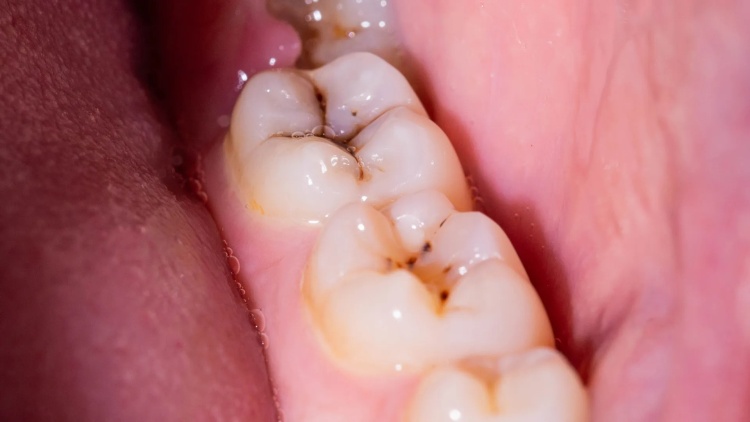
Cavities, or dental caries, develop when bacteria in your mouth feed on sugars and starches from food and drinks. These bacteria produce acids that attack the enamel (the hard outer layer of your teeth). Over time, the enamel loses minerals and weakens. If the acid attacks continue, small holes or cavities form. As a Toronto teacher, understanding this simple process is important because your daily routines can make this cycle happen faster than you realize.
Why Toronto Teachers Are at Higher Risk for Cavities
Teaching might not seem directly connected to dental problems, but many Toronto teachers face daily routines that quietly increase the risk of cavities. For many educators, tooth decay is less about brushing habits and more about how saliva, stress, and daily routines interact throughout the school day.
Talking All Day Can Cause Dry Mouth
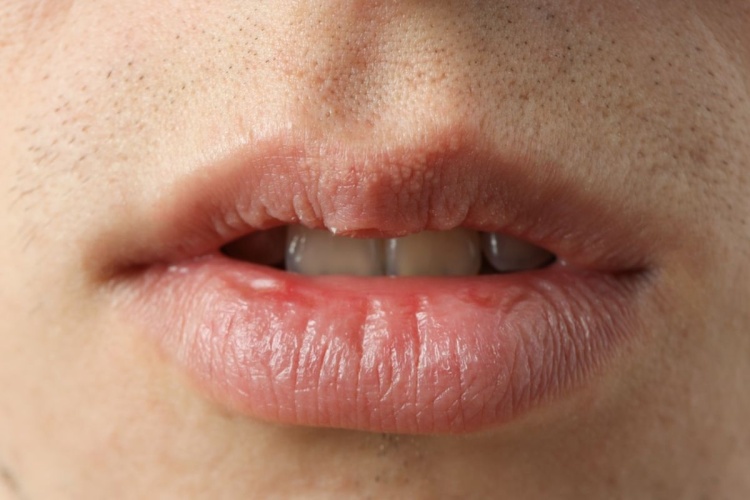
One of the most common issues among teachers is dry mouth, also known as xerostomia. Speaking for long hours, often without regular hydration, can reduce saliva flow.
According to ADA, “Saliva is essential for protecting teeth. It helps neutralize acids, remove food particles, and support enamel repair.” When saliva levels drop, bacteria and acids stay on the teeth longer, increasing the risk of dental caries and decay.
Teachers often report signs like:
- Dry or sticky mouth feeling
- Bad breath
- More thirst during teaching hours
- Increased sensitivity
In some cases, dry mouth and stress-related inflammation can also affect gum health, making gum disease treatment more important for maintaining overall oral health and preventing further complications.
Note: On top of this, Toronto’s colder months and generally dry indoor heating environments may further contribute to mouth dryness in some people. While it doesn’t directly cause cavities, it can make existing dry mouth more noticeable and uncomfortable.
Related topic: Tooth Sensitivity in Cold Weather: What Are the Causes & How to Stop It in Toronto?
Job Stress Can Affect Your Oral Health
Teaching is a high-stress profession, especially during busy school periods. Stress doesn’t just affect mood; it can influence oral health, too. It is commonly linked to:
- Teeth grinding (bruxism)
- Jaw clenching
- Increased craving for sugary snacks or caffeine
- Irregular sleep patterns
Research note: Studies have found that people under higher stress levels may be more likely to experience bruxism (teeth grinding and clenching), which can gradually wear down enamel and increase tooth sensitivity over time. (PubMed)
Busy Schedules Often Lead to More Snacking and Coffee
Many teachers rely on coffee or quick snacks to get through the day. The problem is not occasional consumption, but frequent exposure throughout school hours. Sugary drinks and snacks repeatedly feed bacteria in the mouth, increasing acid production. If combined with dry mouth, this effect becomes stronger because saliva is less able to neutralize acids.
Even healthy-looking snacks like granola bars or dried fruit can contribute when eaten often without water or oral care afterward.
Read more: Starbucks on Every Corner: How Toronto’s Coffee Culture Is Destroying Your Teeth

Many Teachers Ignore Early Warning Signs
Because of busy schedules, many teachers delay dental check-ups or ignore early symptoms like mild sensitivity or dryness. Cavities are much easier to manage when caught early. Small enamel changes can often be treated before they turn into more serious decay or discomfort.
Regular check-ups and attention to early signs can make a significant difference in long-term dental health.
Related topic: Gum Care Essentials for Toronto’s Dry Winter Air
When Do You Need Professional Treatment for Tooth Decay and What Are the Options?
Tooth decay usually starts quietly, but certain warning signs indicate it needs professional care. If you notice any of the following symptoms, it may be time to have a dentist evaluate the tooth:
- Persistent sensitivity to cold, hot, or sweet foods
- Pain when chewing or biting pressure
- Visible dark spots, staining, or small holes in the tooth
- Ongoing toothache that doesn’t go away
- Swelling or tenderness in the surrounding gum area
When decay reaches this stage, it cannot be reversed with home care alone. A dentist will first remove the damaged portion of the tooth and then restore its structure, depending on how advanced the problem is.
Treatment options: It typically depends on how advanced the decay is.
In early stages, simple fillings or other restorative treatments, such as inlays or onlays, are often used to repair the damaged area.
When more of the tooth structure is affected, treatments like dental crowns may be needed to restore strength and function.
If the decay reaches the inner pulp of the tooth, root canal therapy may be required to save the tooth and prevent further infection. In more severe cases where the tooth cannot be preserved, extraction may be considered as a last option.
The quick guide below can help you better understand when tooth decay moves beyond prevention and what type of professional treatment may be recommended depending on the severity of the damage:
| Severity of Decay | What You May Notice | Typical Treatment |
| Early stage (enamel damage) | Mild sensitivity, no visible hole | Fillings / Onlays / Inlays (Restorative Dentistry) |
| Moderate decay | Visible cavity, pain when chewing, sensitivity increases | Dental Crowns (Restorative Dentistry) |
| Advanced decay (reaches pulp) | Persistent pain, deep sensitivity, possible infection | Root Canal Therapy and Endodontics |
| Severe damage | Tooth structure heavily destroyed, swelling, infection risk | Extraction (and replacement options if needed) |
Note: Early evaluation is important because treatment becomes simpler, less invasive, and more predictable the sooner the issue is addressed.
Protect Your Smile Through Every School Day
Teaching keeps you on your feet all day, but your oral health shouldn’t be left behind. If you’re noticing dry mouth, sensitivity, or signs of stress-related grinding, small preventive steps can make a big difference over time. Our specialists at Park Dental Centres are ready to help Toronto teachers stay ahead of cavities with simple, preventive care tailored to busy schedules.
Book your visit today!
How to Prevent Cavities as a Teacher in Toronto
Preventing cavities doesn’t require a complicated routine; it’s more about understanding what increases your risk during the school day and adjusting a few key habits around saliva, diet, and stress.
1. Practical Daily Tips for Toronto Teachers
During a typical teaching day, your oral health depends on the small choices you make between classes, breaks, and quick snacks. These are simple actions you can fit into a busy classroom schedule:
- Keep a water bottle with you and take small sips between classes to reduce dry mouth
- Try to rinse your mouth with water after coffee or snacks when brushing isn’t possible
- Choose sugar-free snacks when possible (nuts, cheese, plain yogurt instead of sugary bars)
- Avoid constant sipping of sweetened coffee or drinks throughout the day
- Use a straw for sugary or acidic beverages to reduce contact with teeth
- Don’t skip meals. Long gaps can lead to stronger cravings for quick sugary foods
You can also read our guide on: 10 Daily Habits to Prevent Cavities from Coffee
2. Powerful Tools For Extra Protection
Some tools can give extra protection beyond daily habits:
- Xylitol: Sugar-free gum or mints containing xylitol can help stimulate saliva and reduce cavity-causing bacteria activity. It’s especially useful for teachers who talk a lot and experience dry mouth.
- Fluoride: Using fluoride toothpaste daily strengthens enamel and makes teeth more resistant to acid attacks. In some cases, dentists may also recommend professional fluoride treatments for added protection.
- Night Guard (Bruxism management): Stress-related grinding or clenching can slowly damage enamel. If you notice jaw tension, headaches, or worn teeth, Anti-Grinding Night Guards from your dentist can help protect your teeth while you sleep.

3. Seeing Your Dentist for Regular Check-ups
Even with good habits, regular dental visits are essential. Cavities often start silently, without pain, so early detection is key.
For teachers, a 6-month check-up schedule is usually recommended, especially if you experience dry mouth or stress-related grinding. These visits help catch early decay, apply preventive fluoride treatments, and monitor any enamel wear before it becomes a bigger issue.
Read more: How to Prevent Plaque Buildup Without Chemicals? Dentists Answer
Staying Ahead of Cavities as a Teacher
Toronto teachers’ cavities are usually linked to daily classroom habits like long hours of speaking, dry mouth, stress, and frequent snacking or coffee. With simple routines such as staying hydrated, reducing dry mouth, and using fluoride, most of these risks can be managed before they turn into bigger dental problems.
If you’re experiencing sensitivity, dryness, or signs of teeth grinding, preventive dentistry can help you stay ahead of the issue. At Park Dental Centres, we focus on early detection and preventive care for teachers and busy professionals.
FAQ
1. Why do teachers get more cavities than other professions?
Toronto teachers often experience more cavities due to prolonged talking, which reduces saliva flow, combined with high job stress and irregular snacking. Dry mouth (xerostomia) significantly increases tooth decay risk.
2. Does dry mouth from teaching really cause cavities?
Yes. Constant speaking throughout the day leads to dry mouth, reducing saliva’s ability to neutralize acids and wash away bacteria. This directly raises the risk of dental caries and tooth decay.
3. How can teachers prevent cavities caused by dry mouth and stress?
Stay hydrated, chew xylitol gum to stimulate saliva, use fluoride toothpaste, limit sugary snacks, and manage stress. Regular dental check-ups are also essential for prevention.
4. Should teachers see a dentist more frequently because of their job?
Yes, teachers with dry mouth or bruxism from stress should visit their dentist every 6 months. Early check-ups help catch cavities quickly and allow for professional fluoride treatments.
If you’ve experienced tooth sensitivity, dry mouth, or similar issues during your workday as a teacher, feel free to share your experience in the comments. We’d be happy to talk about it further.