
MDMA teeth damage is one of the most overlooked consequences of Toronto’s nightlife and rave culture. While most people focus on the energy and experience of a night out, few realize that intense jaw clenching, dry mouth, and mixing MDMA with alcohol or energy drinks can start damaging tooth enamel within hours, often leading to morning-after sensitivity or soreness.
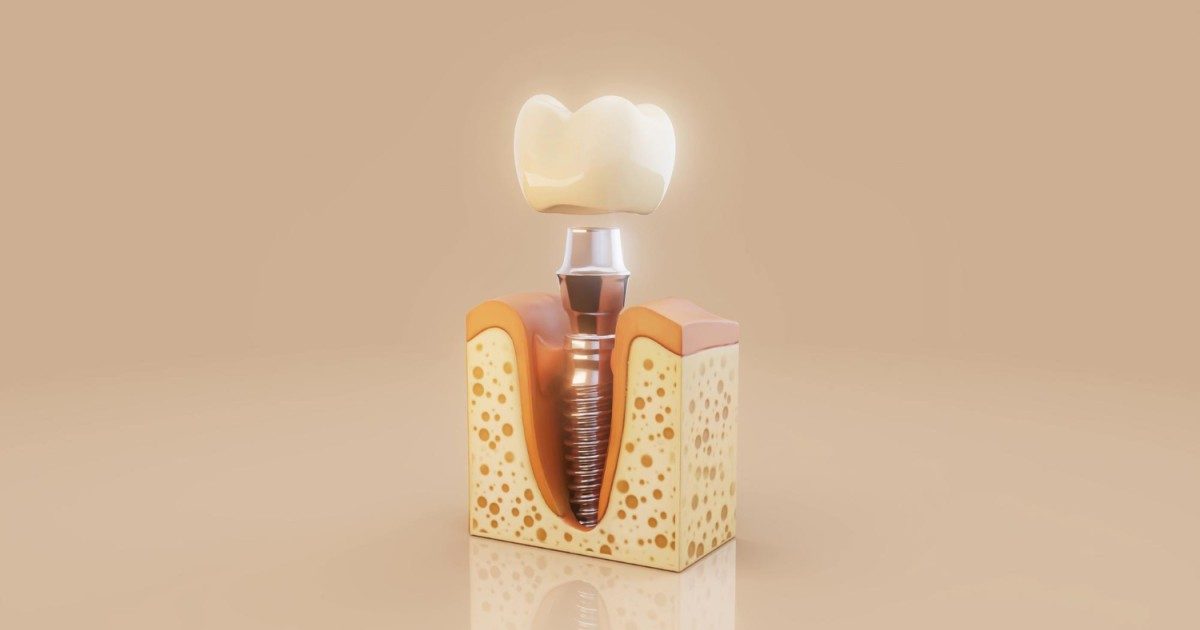
In cases where enamel wear or tooth damage has already started, restorative dental treatments such as dental crowns and dental bonding can help repair and protect weakened teeth. In this guide, we break down how MDMA and alcohol affect your teeth, why ravers are especially at risk, and what you can do to protect your smile before and after a night out.
Why Toronto Ravers Are at High Risk for MDMA Teeth Damage
Toronto’s rave and electronic music scene is one of the biggest and most active in Canada. Every weekend, thousands of people attend clubs, warehouses, and festivals where MDMA (ecstasy) is commonly used, frequently together with alcohol.
Several factors make Toronto ravers especially vulnerable to MDMA teeth damage:
- High prevalence of MDMA use in the local nightlife
- Long-duration parties that often continue until early morning
- A social environment where mixing substances is normalized
- A younger demographic that attends these events regularly
Statistics Box: National Canadian data (2019) shows that young adults aged 20–24 have the highest rates of MDMA use, with 5.5% reporting past-year use. In 2019.-20, 6% of postsecondary students reported using ecstasy. In the high-energy rave environment, this rate is typically much higher.
These conditions create repeated high-risk situations for dental damage. While many enjoy the Toronto nightlife, this combination puts their oral health at serious risk.
How MDMA and Alcohol Destroy Teeth in One Night
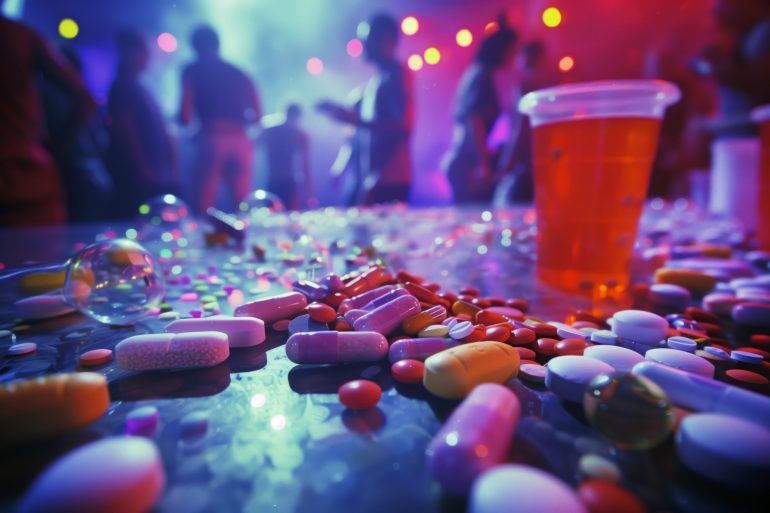
Alcohol and MDMA can cause serious damage to teeth in just one night through three powerful mechanisms:
First, MDMA triggers intense bruxism (severe teeth grinding) and jaw clenching that can last for hours. This constant pressure rapidly wears down the protective enamel layer.
Second, both MDMA and alcohol cause extreme dry mouth (xerostomia). Saliva is your mouth’s natural defense. Without it, acid levels rise quickly, and teeth become highly vulnerable to erosion and decay.
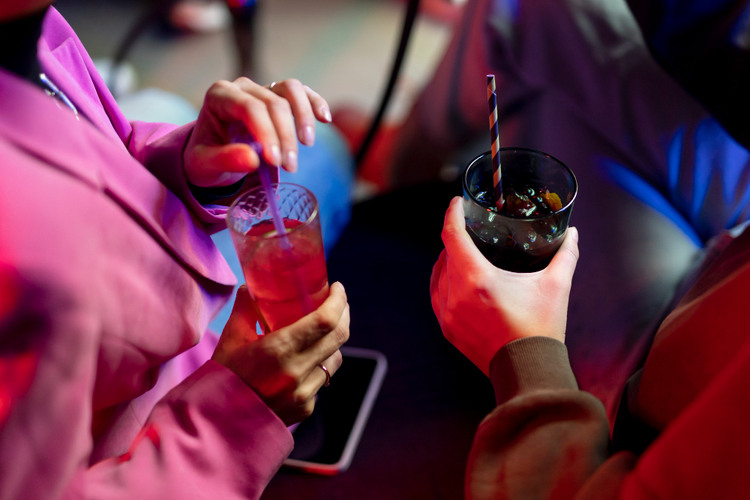
Third, people usually mix MDMA with alcohol and sugary or acidic drinks (like Red Bull or juice). Sugary energy drinks and acidic mixers can dramatically accelerate enamel erosion, especially when saliva production is already reduced.
Read more about this: Can Sugary Drinks Ruin Your Teeth Even If You Brush Regularly?
The combination of heavy grinding, zero saliva protection, and constant acid exposure creates the perfect storm for fast dental damage, sometimes visible by the next morning.
Visible and Long-Term Dental Damage from MDMA Use
With repeated MDMA use, the effects on your teeth often go beyond one night and become clearly visible and permanent. Common long-term MDMA tooth damage includes:
- Enamel Wear: Heavy grinding quickly erodes the hard outer layer of your teeth, making them look flat, shiny, or even yellowish.
- Tooth Decay: Severe dry mouth allows acids and bacteria to attack the teeth faster, leading to cavities that can develop in just weeks.
- Fractures and Chipping: Weakened enamel makes teeth more likely to crack or chip during clenching. Minor chips and early enamel damage can sometimes be repaired with conservative cosmetic treatments such as dental bonding.
- TMJ Problems: Constant jaw clenching can cause jaw pain, headaches, clicking sounds, and long-term temporomandibular joint disorders.
Once enamel is gone, it does not grow back. Many regular users end up needing crowns, fillings, or other extensive dental work to repair the damage.
Protect Your Smile After a Night Out
Long nights in Toronto’s nightlife can take a real toll on your teeth, especially with grinding, dry mouth, and alcohol use. If you’re noticing sensitivity or jaw pain, early care can prevent long-term damage. The team at Park Dental Centres offers restorative and preventive treatments to help protect and repair your smile.
Book your appointment today!
What the Science Says: Key Studies on MDMA-Related Teeth Damage
Several well-designed studies have clearly documented the oral health risks of MDMA use.
A key 1999 study by Milosevic et al. found that 93% of ecstasy users experienced dry mouth, 89% reported teeth clenching or grinding, and 60% showed significant tooth wear into dentin (PubMed).
Later research, including a 2008 review published in the British Dental Journal and a 2025 narrative review published in Frontiers in Oral Health, confirms that bruxism, severe xerostomia, and accelerated tooth wear are common with MDMA use. These effects are significantly worsened when combined with alcohol.
The scientific evidence is consistent: MDMA damage to teeth can be rapid and serious, particularly in the rave and nightlife scene.
Related topic: Starbucks on Every Corner: How Toronto’s Coffee Culture Is Destroying Your Teeth
How to Protect Your Teeth During Raves and Nightlife
While avoiding MDMA and excessive alcohol use is the safest option, many people still participate in Toronto’s rave and nightlife scene. In those situations, a few practical habits can significantly reduce the risk of severe teeth grinding, dry mouth, and enamel erosion.
Immediate Night-of Strategies
Most MDMA tooth damage happens because the mouth becomes extremely dry while unconscious, and jaw clenching continues for hours. Staying hydrated and reducing acid exposure can help limit some of the short-term damage.
- Drink plain water regularly throughout the night to reduce dry mouth.
- Chew sugar-free gum to stimulate saliva production and reduce jaw tension.
- Avoid sugary or acidic mixers such as Red Bull, soda, or fruit juice whenever possible.
- Use a soft mouthguard or pacifier if you experience severe teeth grinding during raves.
- Take breaks between drinks and swallow frequently to keep the mouth from drying out completely.
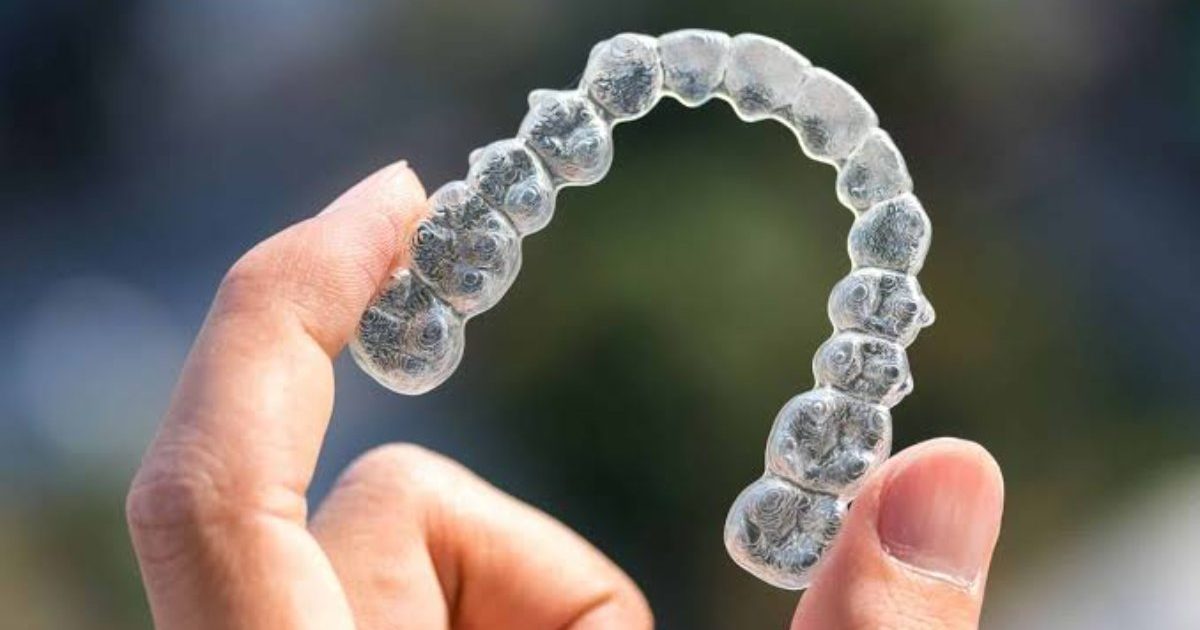
People who experience frequent bruxism may benefit from professionally fitted anti-grinding night guards designed to reduce long-term enamel wear and jaw strain.
Read the full guide here: Ultimate Guide to Anti-Grinding Night Guards for High-Stress Toronto Jobs
Next-Day and Long-Term Oral Care
Many people wake up after MDMA use with sensitive teeth, jaw soreness, and an unusually dry mouth. The hours after a rave are important because enamel may temporarily be more vulnerable to wear and acid damage.
- Wait 30–60 minutes before brushing if your mouth feels highly acidic or dry.
- Use fluoride toothpaste and an alcohol-free fluoride mouthwash to help strengthen enamel.
- Continue hydrating for the next 24–48 hours while saliva production returns to normal.
- Consider a custom night guard if jaw clenching happens regularly.
- Maintain consistent dental check-ups to catch early enamel wear or TMJ problems.
Read more: Mouthguards for Snowboarding: Save Your Teeth from Slope Crashes
When to See a Dentist
Some symptoms after MDMA use may indicate more serious dental damage rather than temporary discomfort. Persistent tooth sensitivity, visible flattening or chipping, jaw clicking, headaches, or recurring tooth pain can all be signs of enamel erosion or long-term bruxism-related stress.
Because enamel cannot regenerate naturally, early treatment is important. Seeing a dentist early may help prevent cracked teeth, advanced decay, chronic jaw disorders, or expensive restorative procedures later on.
Warning: If untreated decay or fractures reach the inner pulp of the tooth, more advanced procedures such as root canal therapy may eventually become necessary to save the tooth and relieve pain.

Enjoy the Night Without Losing Your Smile
MDMA teeth damage can happen quickly due to grinding, dry mouth, alcohol, and acidic drinks, leading to enamel wear, sensitivity, and decay over time. However, staying hydrated, avoiding acidic mixers, and using basic preventive care can significantly reduce the risk and help protect your teeth while still enjoying nightlife responsibly.
If you are experiencing tooth sensitivity, jaw pain, or visible enamel wear after parties or festivals, professional dental care may help prevent more serious complications. Park Dental Centres offers preventive, restorative, and general dental treatments for patients across the Toronto area, dealing with teeth grinding, enamel erosion, and oral health concerns.
FAQ
1. Does MDMA really destroy your teeth in one night?
Yes, MDMA can cause severe teeth grinding (bruxism) and extreme dry mouth, which rapidly wears enamel and increases decay risk overnight, especially when mixed with alcohol.
2. How can I stop jaw clenching and teeth grinding while on MDMA?
Chew sugar-free gum, use a pacifier or mouthguard, take magnesium supplements beforehand, and stay hydrated. These reduce but don’t fully eliminate bruxism damage.
3. How long does dry mouth last after taking MDMA?
Dry mouth (xerostomia) from MDMA can last 24–48 hours or longer. This significantly raises the risk of cavities and enamel erosion during and after the rave.
4. Will my teeth recover if I stop using MDMA?
Enamel does not regenerate. Existing wear, cracks, or decay from MDMA use are permanent, but stopping further use prevents additional damage. See a dentist for repairs.
5. What’s the best way to protect teeth during raves?
Drink water regularly, avoid sugary/acidic mixers, chew sugar-free gum, use fluoride mouthwash afterward, and brush (gently) the next day. A custom night guard helps heavy users.
Have you ever noticed jaw pain or tooth sensitivity after a night out? Share your experience in the comments. It might help others understand what they’re going through.