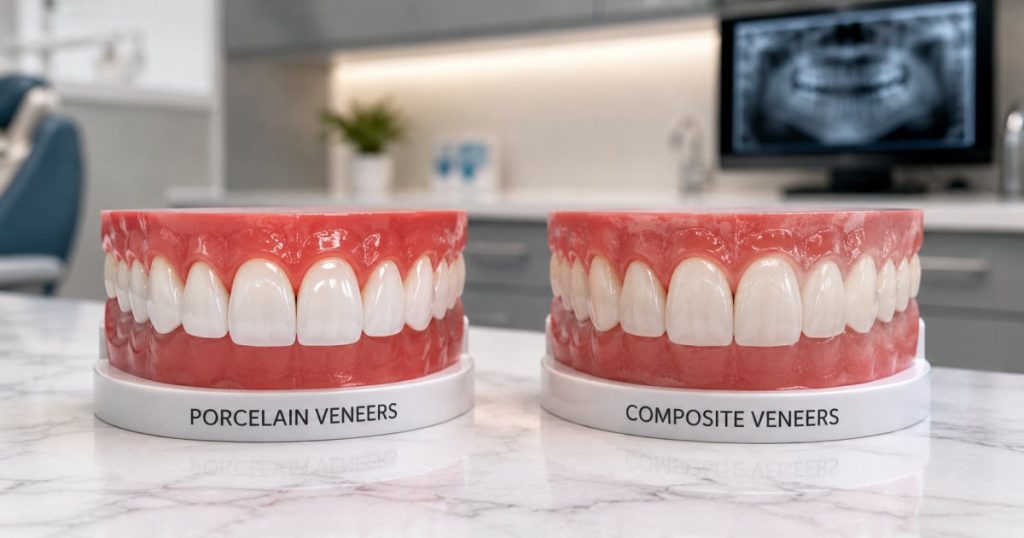
Choosing between porcelain vs composite veneers is one of the most common decisions patients face when they want to improve how their teeth look when they smile or speak.
Both options cover the front of the tooth and can hide stains, chips or minor shape issues, yet they differ in cost, lifespan, appearance and how they are made. One involves thin lab-crafted shells bonded over a small amount of dental enamel; the other uses tooth-coloured resin shaped directly on the tooth. We provide a clear, side-by-side comparison in this guide, so you can decide which is right for you.
Porcelain vs Composite Veneers: What Each One Is
Porcelain veneers are thin shells we make from porcelain in a dental lab. We shape each one specifically for your teeth and then bond it to the front surface.
Composite veneers use a tooth-colored composite resin. We apply the material directly onto your tooth and shape it while you are in the chair. In most cases we finish everything in a single visit.
In short, porcelain is a lab-made shell. Composite is resin we sculpt right on the tooth. Both cover the front of your tooth, but we create them in different ways.
Porcelain vs Composite Veneers: How They Look
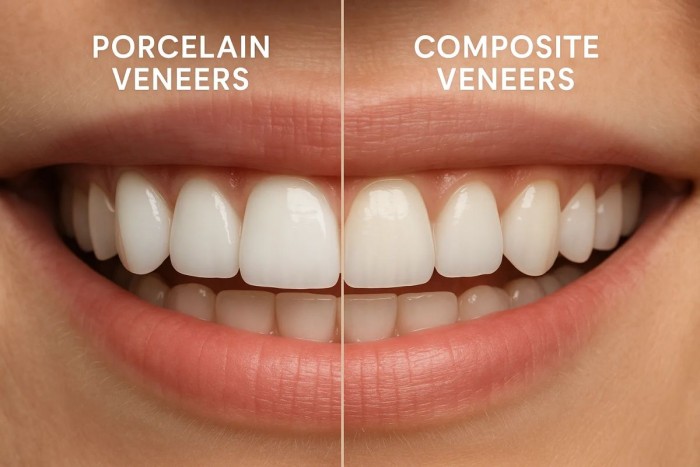
Porcelain has a natural translucency that lets light pass through and bounce back the same way real dental enamel does. This gives it a lifelike depth. It also resists tooth stains very well, so coffee, tea or wine rarely change its colour.
Composite looks good, especially for smaller corrections. We can match the shade closely and shape it carefully. Over time, though, it is more likely to pick up stains and can look a little less natural than porcelain.
Both can improve the appearance of your smile, but porcelain usually stays closer to the look of real enamel for longer.
You may find useful: Teeth Staining Prevention: The Best Daily Oral Hygiene Routine That Works
Veneer Longevity: Porcelain vs Composite
Porcelain veneers usually last 10 to 15 years or longer when you look after them well. A systematic review of clinical studies found a 10-year survival rate of about 95.5 percent for porcelain laminate veneers.
Composite veneers tend to last a shorter time. Many need touch-ups, polishing or repairs sooner because the material wears and stains more easily.
Porcelain costs more at the start, but its better durability often means you spend less on maintenance over the years.
The Process and Visits
The Canadian Dental Association notes that some enamel may need to be removed before a veneer is placed, although the amount depends on the type of veneer and the tooth.
For porcelain veneers we usually need at least two visits:
- At the first appointment we remove a small amount of enamel, take a dental impression or digital scan, and place temporary coverings while the lab makes your custom shells.
- At the second visit we bond the finished veneers in place.
Composite veneers are different. We shape the material chairside, directly on your tooth. In most cases we finish everything in a single visit and remove little or no enamel.
The main difference is simple: porcelain needs lab time and two appointments, while composite is done right here in the chair.

Cost: What to Expect in Toronto
At Park Dental Centre, porcelain veneers cost $800 to $1,200 per tooth. Composite veneers in Toronto usually range from about $300 to $600 per tooth, though the exact fee depends on the case. We can confirm the current price with you at your visit.
Composite is often the lower starting cost. Porcelain costs more at the beginning, but because it lasts longer you may spend less on repairs or replacements over time. The long-term difference can be smaller than it first appears.
All our fees follow the Ontario Dental Association fee guide. At the consultation, we give you a clear written estimate so you know exactly what to expect before any treatment begins.
Read more: Porcelain Veneers Cost in Toronto
Still deciding between porcelain and composite veneers?
At Park Dental Centre, we offer a free consultation where we can examine your teeth carefully, show you a digital preview of your new look, explain the real differences of both methods, and give you a clear written estimate. No pressure; just honest answers so you can choose wisely.
Book your free consultation today.
Which One Is Right for You: Composite vs Porcelain Veneers?
Every smile is different. The right choice depends on what you want to change and how long you want the results to last. Your budget and how much time you have for treatment also matter. Here’s a quick look at the main differences between the two options:
| Factor | Porcelain Veneers | Composite Veneers |
| Best for | A full smile makeover, lasting results | Small chips, minor fixes, lower upfront cost |
| Appearance | Most lifelike, stain-resistant | Good, but stains more over time |
| Lifespan | 10-15 years or longer | Shorter; easier to repair |
| Visits | Usually 2+ | Often 1 |
| Enamel removed | A small amount | Little to none |
| Cost at Park Dental | $800-$1,200 per tooth | $300-$600 per tooth |
If you want a longer-lasting result and a more natural look that resists stains, porcelain is usually the stronger choice. If you prefer a lower starting cost, fewer visits, or just need a small fix, composite is often enough. In the end, though, the right choice should always be made after a consultation with a dental specialist who can assess your teeth in person.
Related Guide: Dental Implants vs Veneers
A Quick Word on Whether You Need Veneers at All
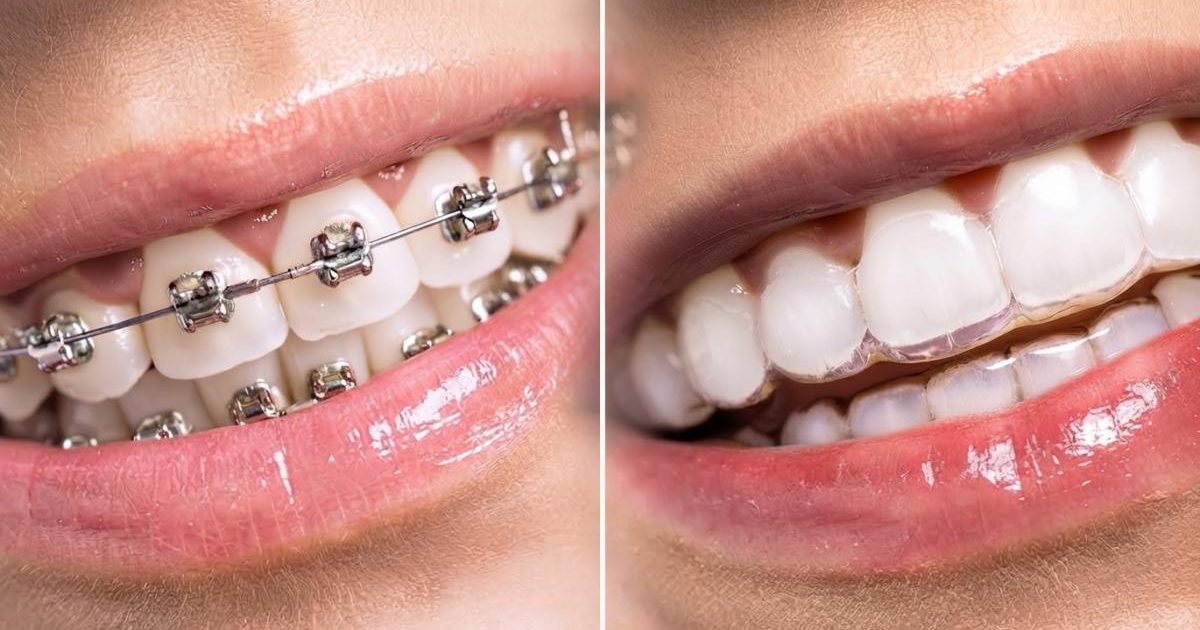
Veneers aren’t always the best option. If you have just one small chip or minor damage, dental bonding may be enough to fix it without covering the whole front of the tooth. If your main concern is tooth colour, teeth whitening may give you the change you want without veneers. And if your main concern is crooked or crowded teeth, Invisalign or orthodontic treatment may be a better solution. Your dentist can look at your teeth and help you decide which option makes sense for your needs.
Useful guide: Best Teeth Whitening Options in Toronto 2026
Veneers at Park Dental Centre
At Park Dental Centre, you can start with a free consultation to discuss whether porcelain veneers are right for you. The clinic uses digital imaging to give you a preview of the expected result before treatment begins, and each veneer is shaped and shaded to suit your natural teeth. Fees follow the Ontario Dental Association fee guide, with direct billing and payment plans available.
Park Dental Centre has two Toronto locations: Koreatown at 745 Bloor St W and Dundas Square at 29 Elm St.
FAQ
What is the difference between porcelain and composite veneers?
Porcelain is a lab-made shell bonded to the tooth. Composite is resin we shape directly in the chair. They differ in look, cost, durability and how many visits you need.
Are porcelain veneers worth the extra cost?
For many patients, yes. They last longer and resist stains better, so the higher upfront cost can even out over time compared with more frequent composite repairs.
Which lasts longer, porcelain or composite veneers?
Porcelain usually lasts 10–15 years or more. Composite tends to need touch-ups or replacement sooner. Studies show porcelain has higher long-term survival rates.
Do composite veneers stain?
Yes, they can pick up stains from coffee, tea or wine over time. Porcelain resists staining much better because of its non-porous surface.
How many visits do porcelain veneers take?
We usually need at least two visits. One to prepare the teeth and take records, and a second to bond the finished lab-made shells.
Can composite veneers be done in one visit?
Yes. In most cases we apply and shape the resin chairside and finish everything in a single appointment.
Is bonding the same as composite veneers?
Not exactly. Bonding usually fixes small chips or gaps with a limited amount of resin. Composite veneers cover the whole front surface of the tooth.
Have any questions about porcelain or composite veneers, or want to share your own experience? Drop a comment below