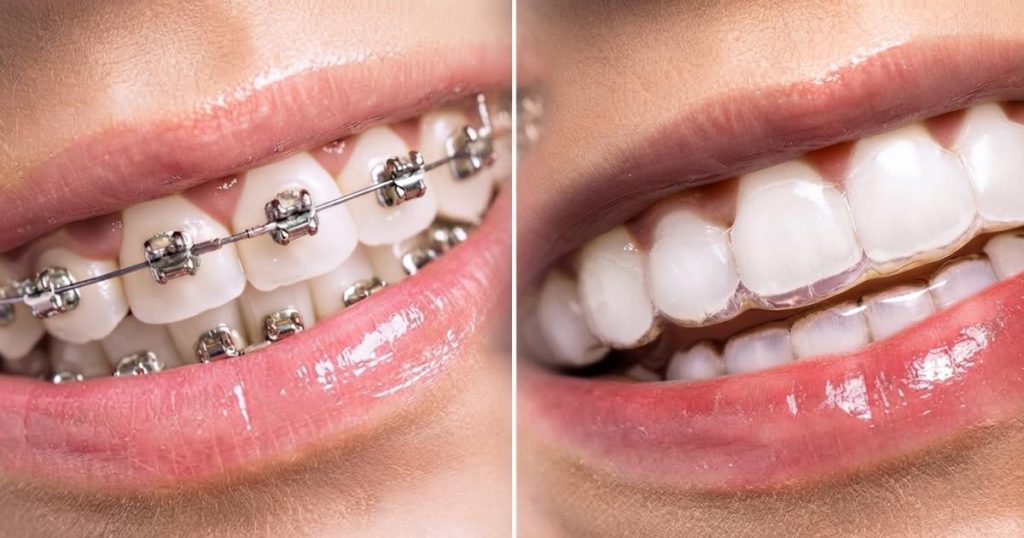
If you’re comparing Invisalign vs braces, you should know that both can straighten teeth effectively, but they feel different, require different daily habits, and may be better suited to certain dental problems, including some types of malocclusion.
Invisalign uses clear removable aligners, while traditional dental braces use brackets and wires to move your teeth. Each has its own advantages and limitations. Here, we’ll compare them honestly, so you can get a clearer idea of what might work for you and what to ask about at your consultation.
How Each One Works
Invisalign uses a series of clear aligners that gradually move your teeth into place. You wear each set for about two weeks before moving to the next one. The aligners can also be removed for eating, drinking, brushing, and flossing.
Traditional braces use brackets attached to your teeth and an archwire that applies steady pressure to move them. Your orthodontist adjusts the braces during regular visits as your teeth move.
The main difference is simple: aligners are removable and discreet, while braces stay fixed and work around the clock.
Appearance
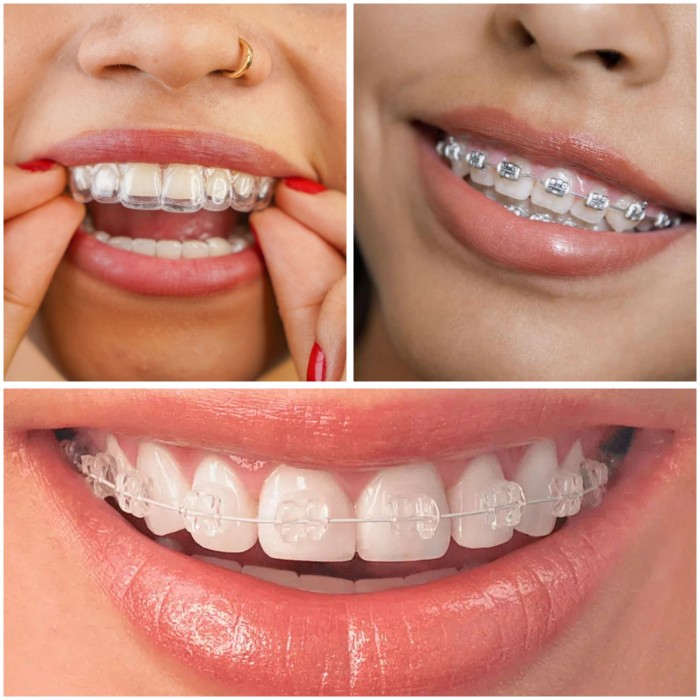
For many people, appearance is a big part of the decision. Invisalign uses clear aligners that are difficult to notice, making them a popular option for adults who want a more discreet treatment.
Traditional braces are more visible, although ceramic braces use tooth-coloured brackets that blend in better than metal.
In terms of aesthetics, the main difference is simply how noticeable each option is.
What Each One Can Fix
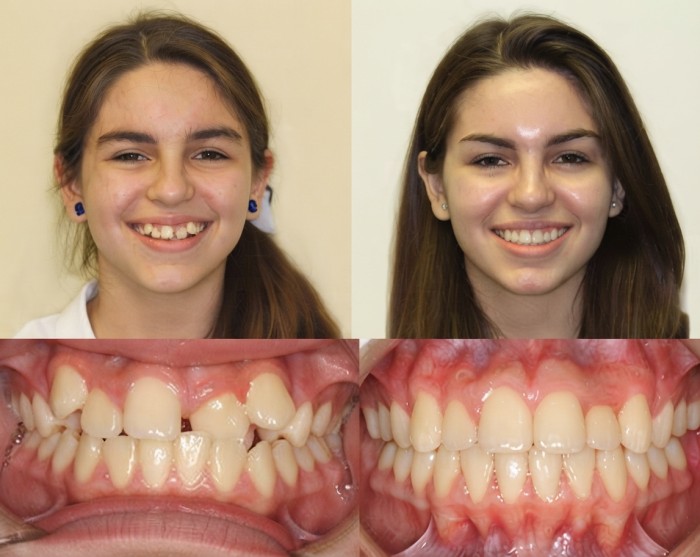
Invisalign can treat many common orthodontic problems, including crowding, spacing, and some bite issues such as an overbite.
Traditional braces can handle a wider range of cases, including more severe crowding, difficult tooth rotation, and more complex forms of malocclusion. That does not mean braces are always necessary, but they can provide more control in complex cases.
Clinical Evidences
Based on a systematic review (BMC Oral Health, 8 clinical studies), in more complex cases, fixed braces outperform clear aligners, especially for achieving proper bite contact, controlling tooth rotation (torque), and widening the dental arch.
Simply put: for complex cases (severe rotation, extractions, or major bite correction), braces are still the more reliable tool.
A proper examination and digital scan can show which option is more suitable for your teeth and treatment plan.
Comfort and Daily Life
The biggest day-to-day difference about Invisalign vs braces is how they fit into your routine:
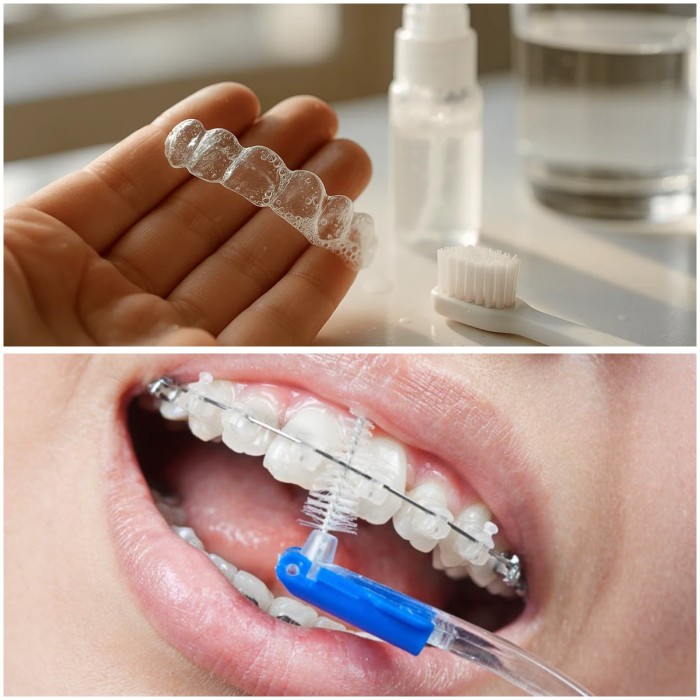
- Invisalign can be removed for eating and brushing, so there are fewer food restrictions and maintaining good oral hygiene is easier. Based on systematic reviews, clear aligners are linked to better gum health than fixed braces (less plaque buildup, less inflammation, and better periodontal outcomes overall).
- Invisalign needs to be worn for about 20–22 hours a day, so treatment depends more on your compliance.
- Braces stay on your teeth all the time, but certain foods need to be avoided and cleaning around the brackets takes more care.
Both options can cause some soreness or pressure as your teeth move, especially after an adjustment or changing to a new set of aligners. But according to a systematic review, Invisalign patients generally report less pain and tissue irritation than braces patients, especially during the first week of treatment.
Read more: How to Clean Invisalign Aligners
Not Sure Which One Fits Your Teeth?
The right option depends on your bite, the movements your teeth need, your daily routine, and your treatment goals. At Park Dental Centre, you can discuss both options with a dentist, get an orthodontic assessment, and see which treatment may suit your case.
Book Your Consultation
Treatment Time and Visits
Both Invisalign and braces can take several months to a couple of years, depending on your teeth condition and the treatment goals.
With braces, you need regular visits for orthodontic adjustments as your teeth move. Invisalign may require fewer in-office visits, but you need to keep up with changing your aligners at home and wearing them as instructed.
The treatment time is mainly determined by your case, not simply by which option you choose.
Cost and Coverage
The cost depends on the treatment and how complex your case is. At Park Dental Centre, Invisalign typically costs $6,000 to $9,000, while the cost of braces varies by case.
Fees at Park Dental Centre follow the Ontario Dental Association fee guide.
Private dental plans with orthodontic benefits may cover part of the cost, often with a lifetime maximum, so check your plan before starting. The Canadian Dental Care Plan (CDCP) does not currently cover orthodontic services. Some other CDCP services require preauthorization, but orthodontics is not currently available.
Which Should You Choose?
There isn’t one option that works best for everyone. The table below puts the main differences side by side to make the invisalign vs braces comparison easier:
| Factor | Invisalign | Braces |
| Visibility | Nearly invisible | Visible (ceramic less so) |
| Removable? | Yes | No |
| Best for | Mild to moderate cases | All cases, including complex |
| Food restrictions | None (removed to eat) | Yes |
| Discipline needed | High (20–22 hrs/day) | Low (always on) |
| Cost at Park Dental | 6,000–9,000 | Varies by case |

Straighten Your Smile at Park Dental Centre
If you’re still deciding between Invisalign and braces, a consultation can help narrow down your options. At Park Dental Centre, we offer both Invisalign and orthodontics (braces), with iTero 3D scanning and a digital smile preview for Invisalign patients. You can discuss your options with Dr. Andre Hughes (RCDSO), our lead dentist and an Invisalign Premier Preferred Provider with over 20 years of experience.
We also offer a free consultation and direct billing, with CDCP, NIHB, and IFHP accepted for eligible services. Fees follow the Ontario Dental Association fee guide. With locations in Koreatown and Dundas Square, an exam and scan can help determine which treatment fits your teeth and needs.
FAQ
Is Invisalign better than braces?
Neither is always better. Invisalign works well for many mild to moderate cases, while braces can treat a wider range of complex problems.
What can braces fix that Invisalign can’t?
Braces can provide more control for severe crowding, difficult tooth rotations, and some complex bite problems.
Which is more comfortable, Invisalign or braces?
Both can cause soreness. Studies suggest Invisalign may cause less pain during the first few days, but the difference usually fades over time.
How much does Invisalign cost compared to braces?
At Park Dental Centre, Invisalign costs 6,000–9,000. Braces vary by case and complexity.
Do Invisalign and braces take the same amount of time?
Treatment time varies by case. Both can take several months to a couple of years, depending on the treatment plan.
Are Invisalign or braces covered by insurance or the CDCP?
Private plans may include orthodontic benefits. The CDCP does not currently cover orthodontic services.
Can I switch from braces to Invisalign?
Sometimes, but it depends on your treatment plan and progress. Your orthodontist can determine whether switching is appropriate.
Still deciding between Invisalign and braces? Share your questions or experience in the comments.