
Driving through Toronto traffic can do more than test your patience. It can quietly affect your jaw. Many drivers experience teeth grinding while driving in Toronto without even noticing, often feeling jaw tightness or headaches after long commutes.
This is usually linked to stress-related clenching and, in some cases, may require restorative dentistry to repair or protect damaged teeth. In this article, we’ll explain why it happens, what signs to watch for, and how to protect your teeth while driving in the city.
Can Traffic Stress Trigger Teeth Grinding?
Teeth grinding, or Bruxism, is a condition where a person unconsciously clenches or grinds their teeth. It can happen during sleep, but many people also experience it while awake, especially during stressful situations.
This daytime form is known as awake bruxism, and it often shows up as jaw clenching without noticing, something many Toronto drivers may experience during heavy traffic or stressful commutes.
Research Insight: A 2024 PMC study found that driving-related stress can directly increase activity in the jaw muscles and trigger clenching behaviors. Among drivers, this response was commonly reported as a reaction to traffic pressure, supporting a clear link between stressful driving conditions and awake bruxism symptoms (PMC Study).
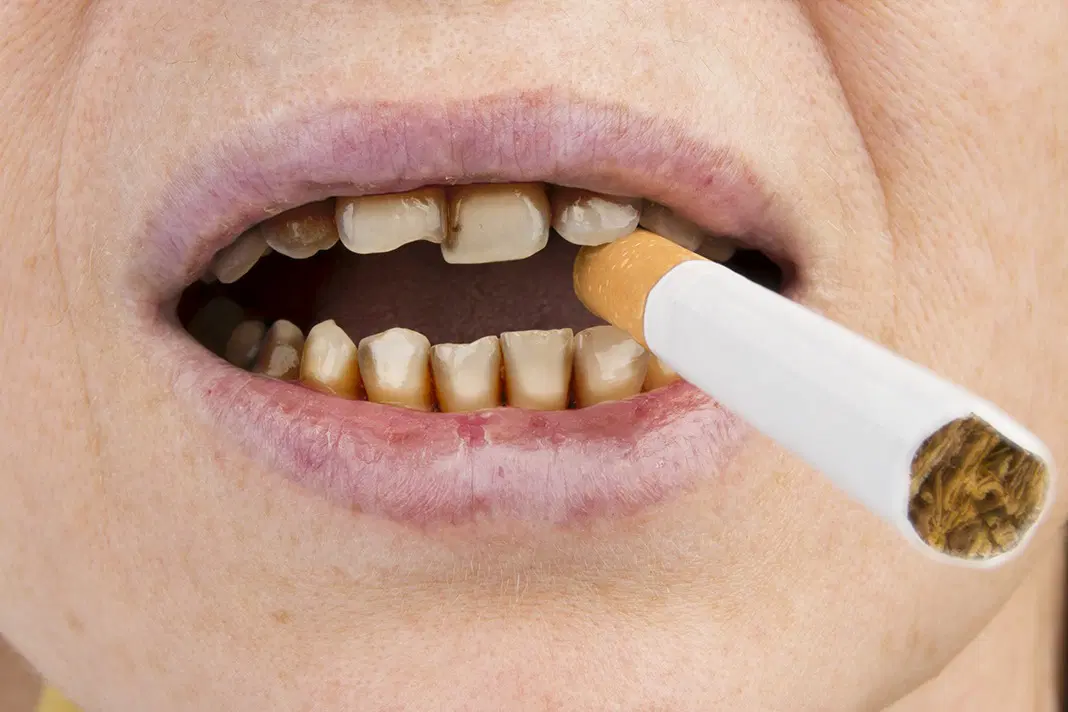
Long, stressful commutes in Toronto traffic can sometimes increase smoking habits as a coping response. Smoking can damage gums, increase plaque buildup, and lead to tooth discoloration and gum disease over time.
Read more: How Smoking Affects Dental Hygiene?
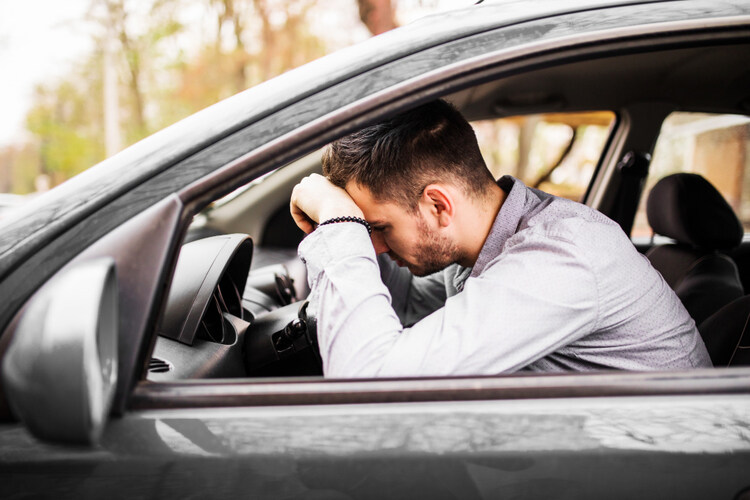
Symptoms of Stress-Related Teeth Grinding While Driving
In the early stages, teeth grinding while driving often goes unnoticed. Many Toronto drivers experience subtle signs such as:
- Mild jaw tightness during traffic,
- A feeling of pressure around the temples,
- Or even slight fatigue in the facial muscles after a long commute.
These symptoms may come and go, especially during stressful driving conditions. As the condition progresses, the signs become more noticeable and persistent. You may start to experience:
- Regular headaches after driving,
- Increased tooth sensitivity,
- Or a sore jaw that doesn’t fully relax even after you’ve stopped driving.
In more advanced cases, some people notice jaw clicking, difficulty opening the mouth comfortably, or ongoing pain that extends beyond driving time.
When these symptoms begin to interfere with daily comfort or appear consistently after every stressful commute, it’s often a signal that professional evaluation is needed to prevent further strain on the teeth and jaw.
Colder weather in Toronto can sometimes increase tooth sensitivity, which may make teeth more vulnerable to discomfort or damage during clenching or grinding while driving.
This is especially common in people already experiencing tooth sensitivity in cold weather.

Treatment Options for Teeth Grinding While Driving
Treatment depends on symptom severity. In the early stages, the goal is to reduce jaw clenching and protect the teeth. In more advanced cases involving pain, tooth wear, or jaw dysfunction, professional dental treatment may be needed to prevent long-term damage.
Initial Treatment Approaches
In mild or early cases, treatment focuses on reducing pressure on the teeth and jaw before the condition develops into chronic bruxism or TMJ-related problems. For Toronto drivers who regularly experience stress during long commutes, early intervention is usually simpler and can help prevent long-term dental damage.
Depending on the severity of symptoms, dentists may recommend conservative approaches aimed at protecting the teeth and reducing strain on the jaw muscles:
- Soft or protective night guards to reduce pressure on teeth during clenching
- Bite evaluation to identify uneven pressure or grinding patterns
- Monitoring early enamel wear and tooth sensitivity
- Jaw muscle therapy for mild tension and fatigue
- Stress-related bruxism assessment when symptoms are linked to daily driving pressure
- Sedation dentistry helps patients who experience significant anxiety or stress during dental treatment
At this stage, treatment is mainly focused on protecting the teeth, reducing muscle strain, and stopping the condition from becoming more severe over time.

Advanced and Professional Treatment Options for Severe Cases
When symptoms become persistent or start affecting daily comfort, more advanced dental treatment may be necessary. This is especially important if jaw pain continues outside of driving or signs of tooth wear and TMJ strain begin to appear.
At this stage, dentists typically perform a full evaluation to assess jaw function, tooth damage, and the overall progression of the condition before recommending treatment. Then, common professional treatment approaches include:
- Custom-fitted night guards designed to reduce pressure from grinding and protect tooth enamel (Read the guide on anti-grinding night guards)
- Comprehensive dental evaluation to assess bite alignment, wear patterns, and underlying stress points
- TMJ assessment if jaw clicking, locking, or restricted movement is present
- Jaw physiotherapy to reduce chronic muscle tension and improve mobility
- Restorative dental procedures, such as dental bonding or crowns, when enamel wear or structural tooth damage has already occurred
- If bite misalignment is contributing to teeth grinding, orthodontics may also be recommended as it helps correct how the teeth align and distribute pressure more evenly across the jaw.
In more advanced cases, treatment focuses not only on stopping the clenching but also on repairing damage that has already affected the teeth and jaw. The goal is to reduce pain, protect the teeth from further wear, and help the jaw function more comfortably again.
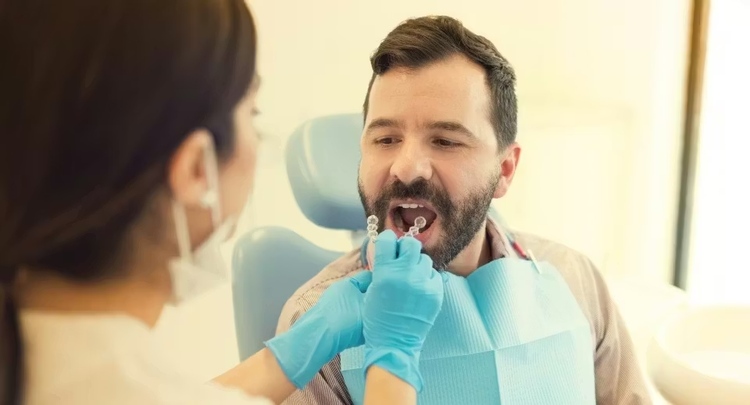
Protect Your Teeth from Traffic Stress
Toronto traffic can quietly lead to jaw clenching, headaches, and tooth wear over time. If you notice these symptoms after driving, early care can help prevent long-term damage.
Park Dental Centres offers preventive and restorative dental care to support your oral health.
Book your consultation today!
How to Prevent or Control Teeth Grinding While Driving
For many Toronto drivers, prevention focuses on reducing the everyday stress patterns and driving behaviors that trigger unconscious jaw clenching. Since awake bruxism often develops gradually during repeated stressful commutes, consistent habit correction can significantly lower its occurrence over time and somehow act as an initial treatment:
- Maintain a relaxed driving posture by keeping your shoulders down and avoiding upper-body tension
- Reduce unnecessary force on the steering wheel, especially in heavy stop-and-go traffic
- Stay aware of jaw tension during peak stress moments, like congestion or aggressive driving situations
- Take short mental pauses during driving to reset overall body tension, especially on long commutes
- Use calm, low-stimulation audio environments to reduce emotional reactivity in traffic
- Avoid rushing by planning departure times to minimize time pressure and driving frustration
- Pay attention to early signs of clenching, such as tightness in the temples or jaw stiffness while driving
- Encourage a neutral jaw position throughout the drive instead of sustained tightening
These small, consistent changes can help reduce jaw clenching caused by stress and lower the risk of long-term bruxism from daily driving in Toronto.

Why Toronto Traffic Makes Bruxism Worse
Daily commuting in Toronto often means long periods of stop-and-go driving, especially on busy routes like the 401 or Gardiner Expressway. This constant traffic pressure keeps the body in a prolonged stress state, which can increase muscle tension without you realizing it.
During stressful driving, the nervous system activates a “fight or flight” response, and one of the common physical reactions is tightening of the jaw muscles. Over time, this repeated clenching during long commutes can make symptoms of bruxism more frequent and noticeable in Toronto drivers.
Long-Term Effects If Left Untreated
If teeth grinding while driving continues over time without management, the repeated jaw clenching can lead to progressive dental and muscular problems. Constant pressure on the teeth may cause enamel wear, increased sensitivity, and even small fractures in severe cases. In more advanced situations, this ongoing damage may also require restorative treatments or, if the tooth nerve becomes affected, endodontic procedures such as root canal therapy.
In addition, ongoing muscle tension can contribute to chronic jaw pain and may develop into temporomandibular joint issues (TMJ), making it harder to open or move the jaw comfortably. Some drivers may also experience frequent headaches and persistent facial fatigue as the condition worsens.
Don’t Let Traffic Damage Your Teeth
Teeth grinding while driving in Toronto is often a silent response to everyday traffic stress. What starts as simple jaw tension during commuting can gradually develop into persistent clenching, discomfort, and even long-term dental and jaw issues if ignored. Recognizing the early signs and making small changes in daily driving habits can go a long way in preventing further damage.
If you’re noticing ongoing jaw pain, headaches, or signs of clenching after your commute, it may be time to get a professional evaluation. Clinics like Park Dental Centres can help assess your symptoms and provide treatment options such as protective appliances and restorative care to support both your teeth and jaw health.
FAQ
1. Is teeth grinding while driving really caused by stress or just a habit?
Yes, mainly stress-driven. Studies show driving anxiety triggers involuntary jaw muscle activation, leading to awake bruxism and clenching.
2. Why do I feel jaw pain or headaches after long Toronto traffic commutes?
Stop-and-go traffic increases muscle tension response. Jaw muscles stay subconsciously contracted, causing fatigue, temple headaches, and facial soreness.
3. How do I know if my teeth grinding is serious enough to see a dentist?
If you notice persistent jaw pain, tooth sensitivity, or jaw clicking, it may indicate progression toward TMJ disorder needing evaluation.
4. Can I stop teeth clenching while driving without medical treatment?
Yes, partially. Awareness techniques, jaw relaxation, posture correction, and stress control can significantly reduce daytime clenching during driving.
Have you ever noticed jaw tension or headaches after or while driving in Toronto?
Share your experience in the comments below.