
A gum boil is a dental abscess that drains through the gum. It is a clear sign of active infection in the tooth or the gum tissue. It will not resolve on its own and must never be popped. Treatment focuses on finding and clearing the source of the infection, usually with a root canal, deep cleaning, or, in some cases, extraction.
Keep reading to understand the causes, why it can be painless, and exactly how a dentist treats it.
What a Gum Boil Actually Is
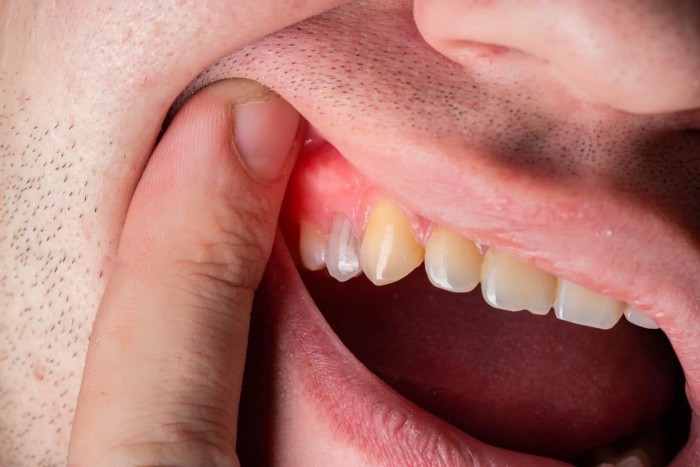
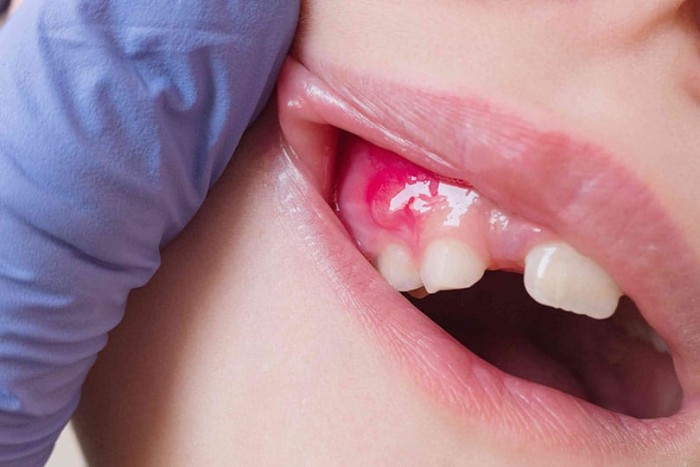
A gum boil, also called a parulis, is simply the visible end of a sinus tract. When an infection builds up at the root tip of a tooth or inside a deep periodontal pocket, the body creates a narrow pathway through the bone and gum tissue so the pus can drain out. What you see on the surface (a small, raised bump that may look like a pimple) is that drainage opening.
The important point is this: the bump itself is only the symptom. The real infection is still active somewhere deeper, either at the root tip or in the periodontal pocket, and it continues to damage the surrounding bone until the source is treated.
What Causes a Gum Boil
Most gum boils start from one of three main problems:
The first is pulp necrosis; an infected or dying nerve inside the tooth, usually caused by deep tooth decay or trauma that lets bacteria reach the pulp.
The second is a periodontal abscess that forms when advanced gum disease creates deep pockets where bacteria collect and produce pus.
The third is a failed or incomplete previous root canal that leaves residual infection at the root tip.
Less commonly, a piece of food or a foreign fragment trapped under the gum can trigger a localised infection, and a cracked tooth can open a path for bacteria to enter the pulp and start the same process.
Read more: Gum Care Essentials for Toronto’s Dry Winter Air
Why a Gum Boil Can Be Painless
Many people search “gum boil no pain” because the bump often appears without any discomfort. The reason is simple: once the infection creates a drainage path, the pressure that normally causes throbbing pain is released. Pressure is what makes an abscess hurt. When the pus finds an exit through the gum, that pressure drops and the pain can disappear completely.
A painless gum boil is not a mild or harmless one. It is a chronic infection that has simply found a way to drain. Underneath the surface, bacteria are still active, and the bone around the root continues to break down. The absence of pain does not mean the problem has stopped; it only means the infection is no longer trapped.
Should You Pop a Gum Boil?
No. Popping a gum boil only releases the surface pus. It does nothing to clear the infection that is still active deeper in the tooth or gum. Squeezing or lancing it yourself can push bacteria into surrounding tissue and make it harder for a dentist to see the true source of the problem.
If the boil bursts on its own, rinse gently with warm salt water to keep the area clean, then book a dental appointment as soon as possible. The underlying infection still needs professional treatment.
How a Dentist Treats a Gum Boil
Treatment always starts by finding the real source of the infection. We examine the area and take a radiograph. In many cases we carefully place a thin gutta-percha point into the sinus tract so the X-ray can show us exactly where the drainage path leads.
If the infection comes from the pulp inside the tooth, the usual solution is root canal treatment. When the tooth has already had a root canal that failed, retreatment is often needed.
If the source is a periodontal pocket, we drain the area and perform scaling and root planing to clean the deep surfaces of the roots. In more advanced cases, periodontal surgery may be required.
When the tooth cannot be saved, extraction is the final option. We sometimes prescribe antibiotics to control spread, but they never eliminate the underlying cause on their own. The ADA also recommends prioritizing definitive dental treatment, such as drainage or root canal treatment, for most localized dental infections, instead of antibiotics.

Noticed a Gum Boil and Worried About It?
Even if your gum boil isn’t painful, the infection may still be active. At Park Dental Centres, we can assess the affected tooth or gum, and identify the source of the infection. Then we’ll explain your treatment options clearly. Don’t wait for pain or swelling to worsen.
Book Your Dental Assessment Today
Does Mouthwash Help?
Mouthwash may provide temporary relief, but it cannot treat a gum boil or remove the infection causing it. Chlorhexidine mouthwash or a simple salt water rinse may reduce surface bacteria and make the area feel more comfortable. Neither reaches the source of the infection deeper in the tooth or periodontal pocket. Rinsing may reduce swelling or leave the mouth feeling cleaner, but it will not make the gum boil disappear or stop the underlying infection from progressing.
Learn more: How to Prevent Plaque Buildup Without Chemicals?
What Happens If You Leave It
Leaving a gum boil untreated allows the infection to keep working. Bone continues to break down around the root of the tooth. The infection can spread into the surrounding soft tissue, which leads to cellulitis and noticeable facial swelling.
In rare but serious cases it progresses to a rapidly spreading infection such as Ludwig’s angina, which becomes a medical emergency.
Watch for these red flags:
- Swelling that spreads to the face or neck
- Fever
- Difficulty swallowing or breathing.
These signs mean the infection is no longer a dental problem alone and requires an immediate trip to the emergency room rather than a regular dental appointment.
According to PMC studies, severe odontogenic infections can spread into deep neck spaces and threaten the airway, which is why facial or neck swelling and difficulty breathing or swallowing require emergency care.

Is a Gum Boil Ever a Sign of Cancer?
A true gum boil is an infection, not a tumour. The bump forms because pus is draining from a dental abscess, so it is not cancer.
That said, any oral lesion that remains after the infection has been properly treated, or a lump that feels firm, becomes ulcerated, or continues to grow, should be checked carefully. At Park Dental Centres we include oral cancer screening as part of routine visits so unusual changes can be caught early.
How to Prevent Gum Boils
You can lower your risk of a gum boil by treating tooth decay early and keeping up with regular dental check-ups and periodontal maintenance. If a dentist recommends root canal treatment, do not delay it, as untreated infection can develop into an abscess.
Have cracked, chipped, loose, or painful teeth checked as soon as possible. Good daily oral hygiene, including brushing twice a day and flossing, also helps prevent decay and gum disease.

Get a Gum Boil Assessed at Park Dental Centres
A gum boil is a sign that an infection needs attention, even if it does not hurt. Delaying an assessment can allow the infection to persist or spread and may lead to more complex treatment. Park Dental Centre provides emergency dental appointments at its downtown Toronto locations, with root canal therapy and gum disease treatment available in-house.
The clinic also accepts the Canadian Dental Care Plan (CDCP). If you have a gum boil, our emergency dentist can help you find out what is causing it and what treatment you may need.
FAQ
What is a gum boil?
A gum boil is a pus-filled bump caused by a dental abscess or infection in the tooth or surrounding gum tissues.
How do you treat a boil on your gum?
Treatment depends on the cause and may include drainage, root canal treatment, periodontal treatment, or extraction. Antibiotics may be needed in some cases.
Is it okay to pop a gum boil?
No. Never pop a gum boil yourself. It can spread bacteria and does not treat the infection causing it.
Why do gum boils happen?
Gum boils can result from tooth decay, gum disease, dental trauma, cracked teeth, or bacteria entering deeper tissues.
Can mouthwash help with gum boils?
Rinsing may temporarily ease discomfort or reduce surface bacteria, but mouthwash cannot eliminate the infection causing a gum boil.
Can a gum boil be painless?
Yes. Some gum boils cause little or no pain, particularly when an abscess drains and pressure is relieved.
Is a gum boil ever a sign of something serious?
An untreated gum boil can spread and cause serious infection. A persistent or unusual lump also needs dental assessment to rule out other causes.
Have you ever had a gum boil or noticed a similar bump on your gums? Share your experience or questions in the comments below.