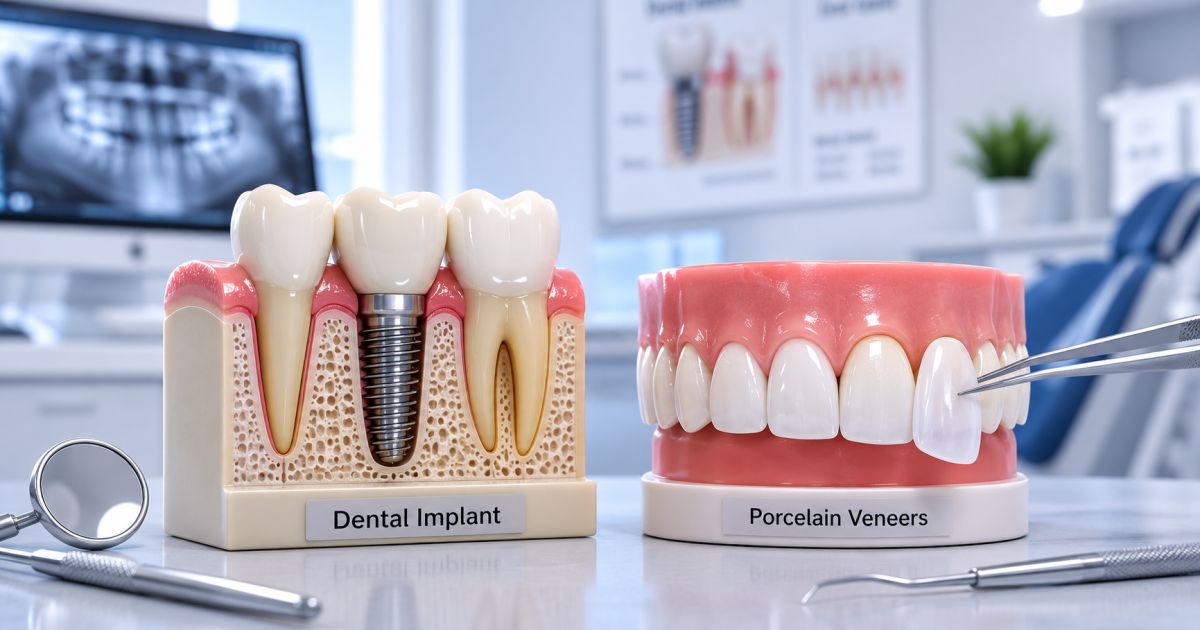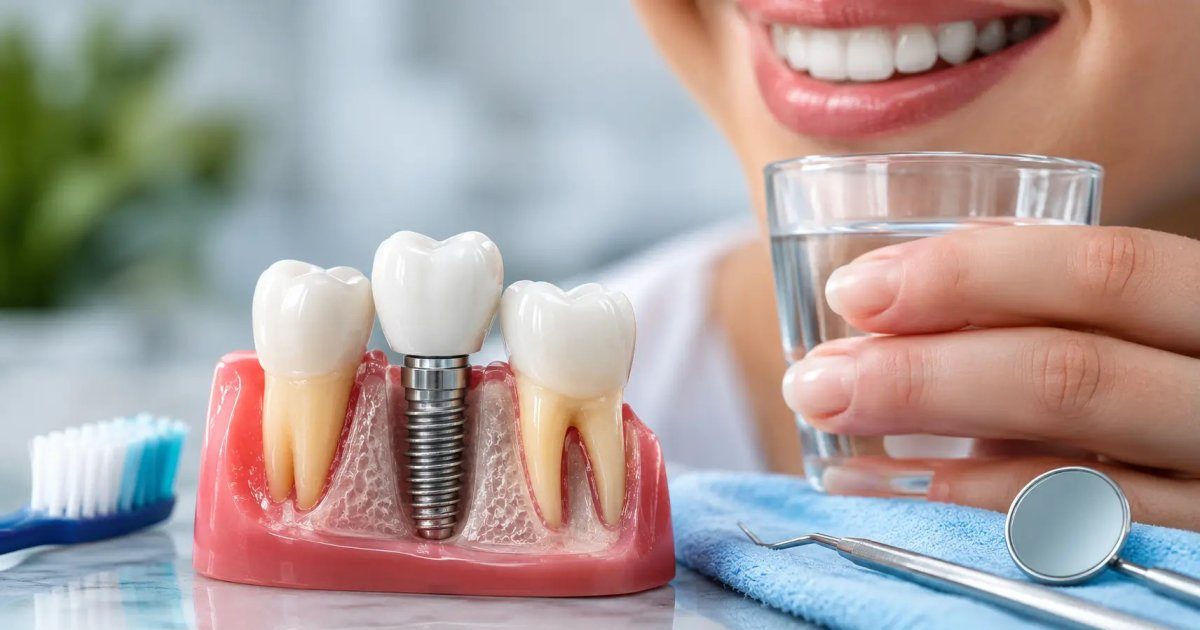
Dental implant aftercare plays a major role in how well your implant succeeds. The first days of healing and the long-term care that follows both matter a lot. In this clear, stage-by-stage guide, we’ll walk you through exactly what to expect and how to protect your implant so osseointegration can happen smoothly.
The First 24 Hours
The first day after dental implant surgery is the most important for protecting the healing site. Follow these simple steps carefully for the first phase of dental implant aftercare:
- Bite carefully on the gauze to control bleeding; some oozing is normal for the first 24 hours.
- Use a cold compress on the cheek in short intervals to limit swelling.
- Take any prescribed or recommended pain relief exactly as directed.
- Rest and keep your head slightly elevated when lying down.
- Do not rinse forcefully, spit, use a straw, or smoke, as this can dislodge the healing blood clot.
Read more: How Smoking Affects Dental Hygiene

What to Eat While You Heal
In dental implant aftercare, stick to a soft diet of cool foods at first: yogurt, smoothies (without a straw), mashed potato, and soup once it has cooled.
Then ease back to your normal meals over the first week as comfort allows. Avoid anything hot, spicy, crunchy, chewy, or small and hard like nuts or seeds, because these can irritate the surgical site or get lodged there.
Always chew on the opposite side from the implant so the area stays protected while it heals.

Keeping the Area Clean
Gentle salt-water rinses can begin after the first 24 hours, several times a day, especially after eating. This simple rinse helps keep the area clean without disturbing healing.
Continue brushing your other teeth as usual, but stay very careful around the implant site until the gums have settled. Good oral hygiene protects the surgical area and supports proper healing.
Keeping your gums healthy is especially important around an implant, so regular care and gum disease treatment can help address inflammation before it affects the tissues supporting your implant. Always follow any specific cleaning instructions your dentist gives you, as they know exactly what your case needs.
Related guide: Gum Care Essentials for Toronto’s Dry Winter Air

Warning Signs to Call Your Dentist
Watch for these signs through dental implant aftercare and contact us right away if they appear:
- Bleeding that does not slow after the first day.
- Increasing (not decreasing) swelling or pain after a few days.
- Fever or a bad taste, which can signal infection.
- The implant is feeling loose.
Early attention protects the implant and helps prevent implant failure.
Worried About Your Implant Healing?
Not sure if your pain, swelling, bleeding, or healing is normal? Get a free implant consultation at Park Dental Centre and have your recovery concerns assessed by a dental professional.
Book Your Free Implant Consultation
How Long Does Your Healing Take?
Healing happens in two clear stages:
- Your gums usually settle within the first week or two, and most of the discomfort fades during that time.
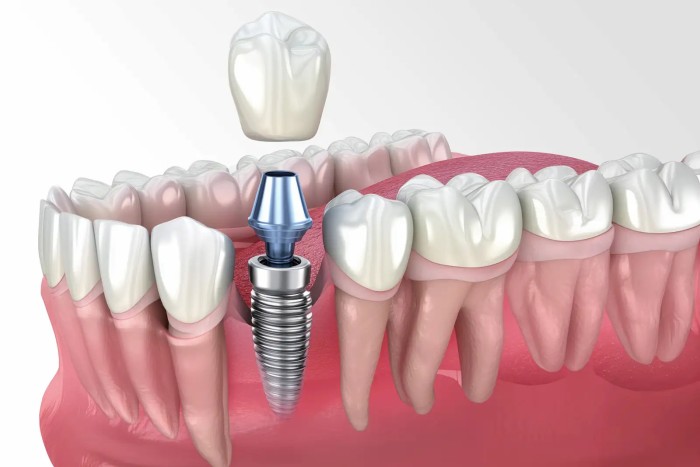
- Full bonding of the implant to the jawbone (called osseointegration) takes several months. Once that’s complete and the abutment is placed, according to Mayo Clinic, your gums typically need at least two more weeks to heal before the final crown can be attached.
This timeline varies by person, bone quality, and whether a bone graft was needed. We will monitor progress and let you know when everything is ready for the next step.
Caring for Your Implant Long Term
Once your dental crown is in place, simple daily habits keep everything healthy for years:
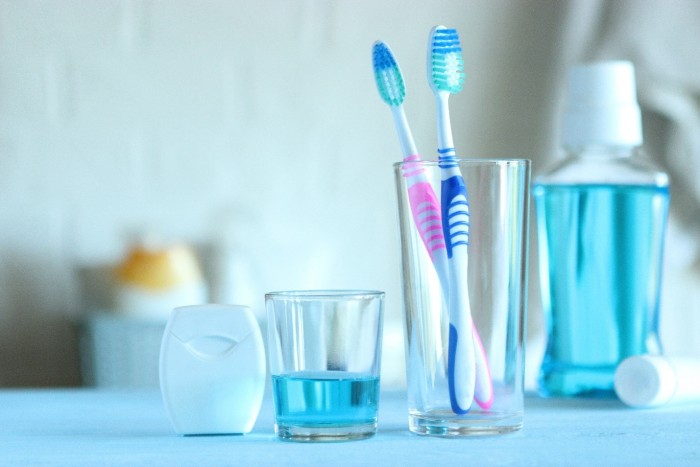
- Brush and floss the implant crown just like a natural tooth.
- Keep regular dental cleanings and checkups so we can monitor the area.
- Wear a night guard if you grind your teeth.
- Avoid using your teeth as tools (opening packages, biting nails, etc.).
An implant cannot get a cavity, but the gum and bone around it still need care to last. Neglect can lead to peri-implantitis, so professional cleanings and good home care remain essential.
Research evidence: Research shows peri-implantitis can affect up to 47% of implants, and regular maintenance visits cut that risk significantly.
Learn more: How to Prevent Plaque Buildup Without Chemicals?
Implant Care at Park Dental Centre
At Park Dental Centre, we have extensive experience providing dental implants in Toronto and helping patients restore missing teeth with implant treatment. Both our single-tooth implants and All-on-4 treatment start with careful planning and continue with support throughout healing. Free implant consultations are available, and each case is planned using 3D cone-beam CT imaging and computer-guided implant surgery.
We offer direct billing and accept CDCP, NIHB, and IFHP coverage. You can visit either our Toronto location: Koreatown at 745 Bloor St W, or Dundas Square at 29 Elm St.
After your procedure, follow your dentist’s specific aftercare instructions and contact Park Dental Centre at (647) 474-7996 or (416) 971-8181 if you have any concerns during healing.
FAQ
What can I eat after dental implant surgery?
Choose soft foods while the surgical site heals. Follow your dentist’s instructions about when to gradually resume your normal diet.
How long does a dental implant take to heal?
The complete process can take several months because the jawbone needs time to heal and fuse with the implant.
When can I rinse my mouth after an implant?
Follow your dentist’s specific instructions about rinsing after surgery, as timing can vary based on your procedure and healing.
Is some bleeding normal after implant surgery?
Yes. Minor bleeding can occur after implant surgery. Contact your surgeon if bleeding is heavy, persistent, or concerning.
What are the warning signs of implant problems?
Worsening swelling, soreness, or other problems in the days after surgery can indicate a complication and should be reported to your surgeon.
Can I smoke after getting a dental implant?
Smoking can contribute to implant failure and complications. Avoid tobacco and follow your dentist’s specific instructions during healing.
How do I clean a dental implant long-term?
Brush and clean around implants and gums regularly, use an interdental brush when appropriate, and attend regular dental checkups and professional cleanings.
Have questions or tips about dental implant aftercare? Share them in the comments below.