Noticing black spots on teeth can feel worrying, but they are not always a sign of tooth decay. A dark mark might be a simple surface stain, hardened tartar, or something that needs closer attention. Here we explain the common causes, how to tell the difference, and what each one needs so you can take the right next step.
What Is Black Stain on Teeth?
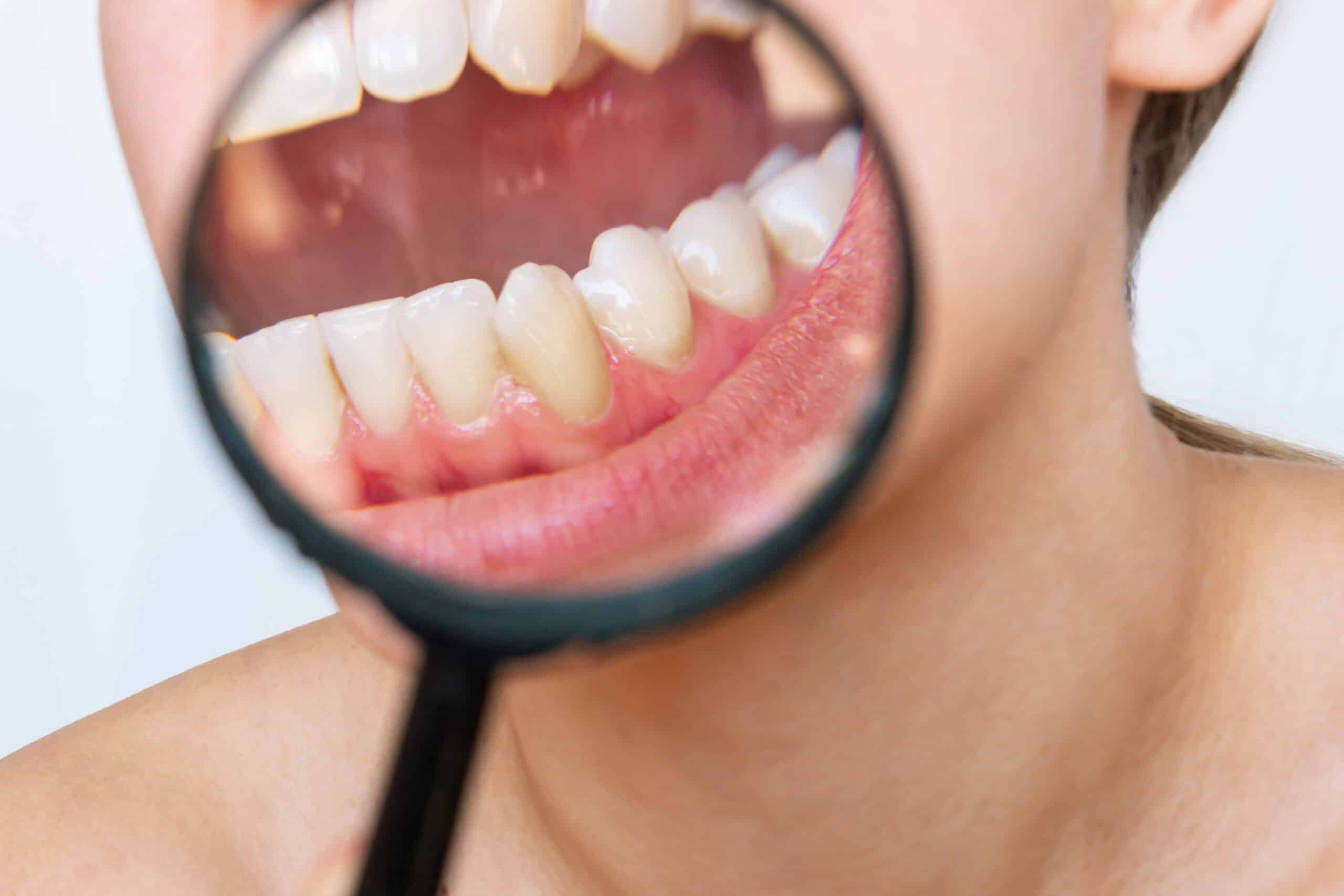
Black stain is a specific type of external tooth discoloration. It usually appears as a thin, incomplete line or small dark spots along the gumline, most often on the cervical part of the tooth.
Unlike tooth decay, black stain sits on the tooth’s surface and does not involve loss of tooth structure. It can affect both baby and permanent teeth and may be mistaken for a cavity or other dark stain.
Why Do Black Spots Appear Near the Gumline?
Black spots on teeth often appear near the gumline because plaque and tartar tend to build up in this area, where brushing can be less effective. Black stain in particular commonly appears as a line or small spots along the cervical part of the tooth. Its location alone, however, cannot tell you whether the mark is stain, tartar, or decay, so a dental examination may be needed to identify the cause.
Read more: Toronto Teachers Cavities: Why You Get More Cavities
The Common Causes for Black Spots on Teeth
Black spots on teeth can appear for several different reasons. Some are purely cosmetic, while others need prompt attention.
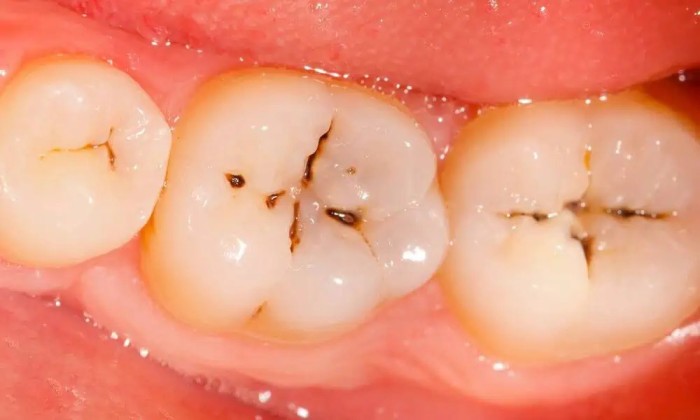
- Tooth decay: Tooth decay can cause a tooth to develop a brown or black area as the damage progresses. A cavity may also form as the enamel and deeper tooth structure break down.
- Surface stains: Coffee, tea, red wine, tobacco, and certain pigmented foods can leave dark marks on the outer surface of the teeth over time.
- Tartar buildup: When dental plaque hardens, it forms tartar that can look brown or black, especially along the gumline. It cannot be removed by brushing alone.
- An old filling: Silver (amalgam) fillings may darken with age or cast a grey shadow through the surrounding tooth structure.
- A dead or injured tooth: Trauma to a tooth can damage the nerve inside, causing the tooth to darken from within.
Research Insight: A 2025 review (Current perspective on dental black stain of bacterial origin) found that bacterial black stain is associated with specific oral bacteria, particularly Actinomyces species, and may also be influenced by factors such as saliva and iron compounds.
These causes range from harmless stains to more serious issues like tooth decay or tooth trauma, which is why any new black spot deserves a proper check by a dental professional to determine the exact cause.
Read more: Starbucks on Every Corner: How Toronto’s Coffee Culture Is Destroying Your Teeth
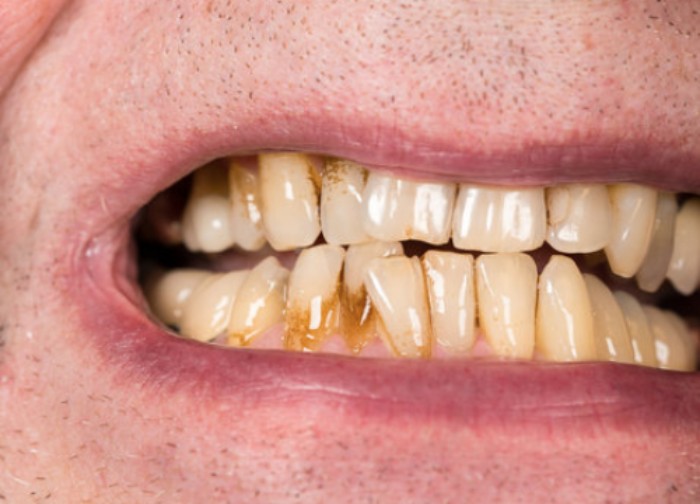
Is It a Cavity or Just a Stain?
It is natural to want a clear answer when you notice a dark mark, yet the signs at home are only clues, not a diagnosis.
A surface stain usually feels smooth and sits on the outer layer of the tooth enamel. A cavity, on the other hand, may feel rough or sticky, catch your fingernail, or bring tooth sensitivity or mild pain. Tartar often forms along the gumline and feels hard to the touch.
The important point is this: you cannot reliably tell a cavity from a stain just by looking. A small cavity frequently causes no pain at all. The only way to be sure is a professional dental exam (General Dentistry), where we can check the area carefully and confirm what is really happening.
How Each One Is Treated
Treatment depends on the cause of the dark spot, and each type requires a different approach to restore both the appearance and health of the tooth. Here’s how each condition is treated in detail:
- Cavities: The decayed part of the tooth is removed and repaired with a dental filling. If the decay has reached the nerve, root canal treatment may be needed.
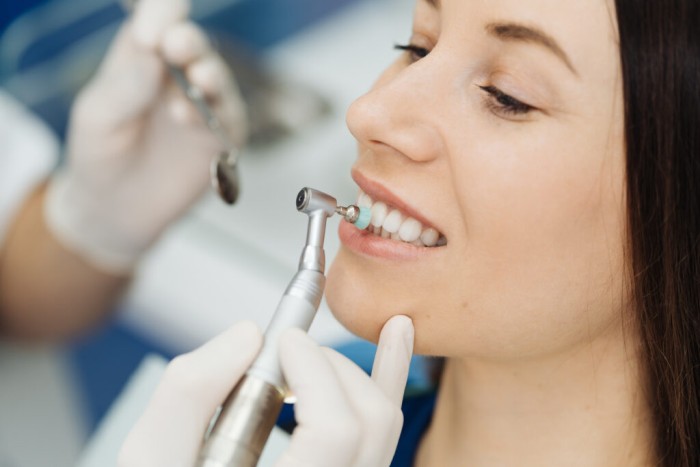
- Surface stains: Professional cleaning can remove stains on the outside of the tooth. Whitening may help if the teeth remain discolored afterward.
- Tartar: Hardened tartar needs professional scaling because brushing and flossing cannot remove it once it has built up.
- Dark spots from old dental work: If an old filling or other restoration is causing the discoloration, the restoration may need to be replaced or updated.
- Internal discoloration: A tooth that has darkened from within may need internal bleaching or another treatment, depending on what caused the discoloration.
Black Spot on Your Tooth? Get a Clear Answer
Not every black spot is a cavity, but it can be difficult to tell the difference between a stain, tartar, decay, or internal discoloration on your own. At Park Dental Centre, we can examine the area, and identify the cause to find out if you need treatment or simply monitoring.
Book a dental checkup today.
Can You Remove Black Spots at Home?
Some surface stains may fade with consistent brushing, a whitening toothpaste, and reducing foods and drinks that commonly stain teeth. However, these steps will not remove a cavity, hardened tartar, or discoloration that comes from inside the tooth. These need professional assessment and treatment. You can also learn more about preventing plaque buildup without chemicals.
Avoid scraping black spots with sharp tools or using harsh, abrasive DIY methods. They may scratch or wear away dental enamel, making the tooth more sensitive and vulnerable to further damage.
Related topic: How Smoking Affects Dental Hygiene
How Can You Prevent Black Spots on Teeth?
Preventing black spots on teeth starts with keeping plaque and surface stains under control by a few simple habits:
- Brush your teeth twice a day with fluoride toothpaste and clean between your teeth daily.
- Limit coffee, tea, red wine, tobacco, and other foods or drinks that can stain teeth.
- Rinsing with water after staining drinks can also help reduce buildup.
Learn more: Teeth Staining Prevention: The Best Daily Oral Hygiene Routine That Works
When to See a Dentist
A black spot is worth having checked if it feels rough, is getting larger, or comes with sensitivity or pain. You should also book a dental checkup if you cannot tell whether it is a stain, tartar, or tooth decay.
A dentist can examine the spot and determine whether it needs treatment or simply monitoring. If decay is found, early treatment can often mean a smaller and simpler repair. Regular checkups can also help identify changes before they become more serious.
Get It Checked at Park Dental Centre
Not sure what that black spot is? A quick exam at Park Dental Centre can help identify whether you are dealing with a stain, tartar, or tooth decay, and what treatment, if any, you need.
The clinic offers checkups, professional cleanings, fillings, whitening, and CEREC same-day crowns, with in-office CT imaging available when closer evaluation is needed.
You can visit the Koreatown location at 745 Bloor St W or Dundas Square at 29 Elm St. We also offer direct billing and accept CDCP benefits.
FAQ
What causes black spots on teeth?
Black spots can result from surface stains, tartar, tooth decay, old dental work, or discoloration originating inside the tooth.
Are black spots on teeth always cavities?
No. Black spots can be caused by stains or tartar, although tooth decay is another possible cause.
How do I know if a black spot is a cavity or a stain?
A dentist can examine the spot and determine whether it is decay, tartar, or a surface stain.
Can black spots on teeth be removed?
Yes, depending on the cause. Professional cleaning can remove stains and tartar, while cavities and internal discoloration require different treatments.
Can I get rid of black spots on my teeth at home?
Surface stains may improve with brushing and whitening toothpaste, but cavities, tartar, and internal discoloration need professional treatment.
Why does my tooth have a dark spot but no pain?
A dark spot may be a stain or tartar, but early tooth decay can also occur without pain.
Is a black spot on a tooth an emergency?
Not usually, but seek prompt dental care if it causes pain, sensitivity, swelling, or is rapidly changing.
Not sure what that black spot on your tooth is? If you’re still wondering, share your question, or if you’ve been through it, tell us what it turned out to be.